
Guatemala volunteer impact matters when your work helps families build better lives after you leave. Be Humanitarian connects volunteers with rural communities near Lake Atitlán, where local needs guide hands-on projects in education, nutrition, family support, and daily life. Most trips last 8-11 days, with about 5-7 hours of volunteer work each day.
You might help distribute water filters, support English classes, work in a garden, play soccer with children, or lend a hand with community projects. It’s not about fixing everything in one trip. It’s about showing up, helping where it counts, and building real connections. Keep reading to see what that impact can look like.
Quick Reads: Guatemala Volunteer Impact
- Support Local Needs: Focus on education, nutrition, clean water, family support, and community projects that local communities already value.
- Follow Local Leadership: Work with community teams, listen to local guidance, and respect local knowledge and participation.
- Focus On Lasting Impact: Use your time to provide useful support, build trust, and contribute to efforts that can continue after you leave.
How Does Volunteerism Differ From Voluntourism?
Sustainable volunteering puts community needs ahead of the visitor’s experience.
That difference starts with a few basic questions. Who requested the project? Who will use it? Who will maintain it later?
Be Humanitarian invites supporters to travel with us on guided experiences near Lake Atitlán. Volunteers support education, nutrition, family, and community programs during trips that usually last 8-11 days.
| Voluntourism Concern | Sustainable Approach |
| Short-term labor | Ongoing programs |
| “Savior” stories | Family partnership |
| Photo-focused trips | Service-focused work |
| Outside decisions | Local input |
| One-time aid | Continued support |
Ask questions before booking.
Why Does Long-Term Community Presence Matter?
 Long-term community presence connects short volunteer trips with work that continues throughout the year.
A volunteer may spend 8-11 days in San Andrés, while local teams continue working with families after the group leaves. Programs can include nutrition support, education, family outreach, and community projects.
Child sponsorship offers another way to stay involved. Volunteers can return home and continue supporting programs instead of treating the trip as a one-time event.
The volunteer visit is one part of a longer effort. Local teams remain at the center.
- Child sponsorship
- Nutrition support
- Education programs
- Family outreach
- Community projects
How Can Nutrition Help Break Intergenerational Poverty?
Good nutrition gives children a stronger base for growth, school, and daily life.
Guatemala still faces high levels of childhood undernutrition. UNICEF reports that 44% of children under five were affected by stunting in 2022.
Be Humanitarian connects nutrition support with its child sponsorship program. Through sponsorship and donations, listed support levels can help cover meals and education costs. Gardening projects can also give families another way to grow food at home.
Food support alone can’t solve poverty. But regular meals can remove one barrier for children.
- Breakfast support
- Lunch support
- Home gardening
- Family participation
Food is only part of the picture.
How Does Education Create Sustainable Opportunity?

Education support can help children stay connected to school and gain skills for the future.
School expenses can put pressure on families. Uniforms, supplies, fees, and other costs can make continued attendance harder.
UNICEF data lists Guatemala’s primary completion rate at 83%, compared with 53% for lower secondary and 37% for upper secondary for the listed indicators.
Be Humanitarian also includes English activities in San Andrés. Volunteers can help with activities and practice English while local educators remain responsible for teaching.
- School supplies
- Education costs
- English practice
- Classroom support
Let local teachers lead.
Can Hands-On Projects Create Lasting Community Benefits?
Hands-on projects illustrate how volunteer vacations impact rural Guatemala when they meet a real need and remain useful after volunteers leave.
Be Humanitarian lists activities such as water-filter distribution, gardening, English classes, soccer, and family projects.
A volunteer might help families in the morning, support an English class later, then work in a garden or play soccer with children.
| Project | Possible Benefit |
| Water filters | Household water support |
| Garden towers | Home food production |
| English classes | Language practice |
| School supplies | Education support |
| Family projects | Community support |
The project matters. So does what happens after it’s finished.
Why Should Volunteers Understand The Local Community First?
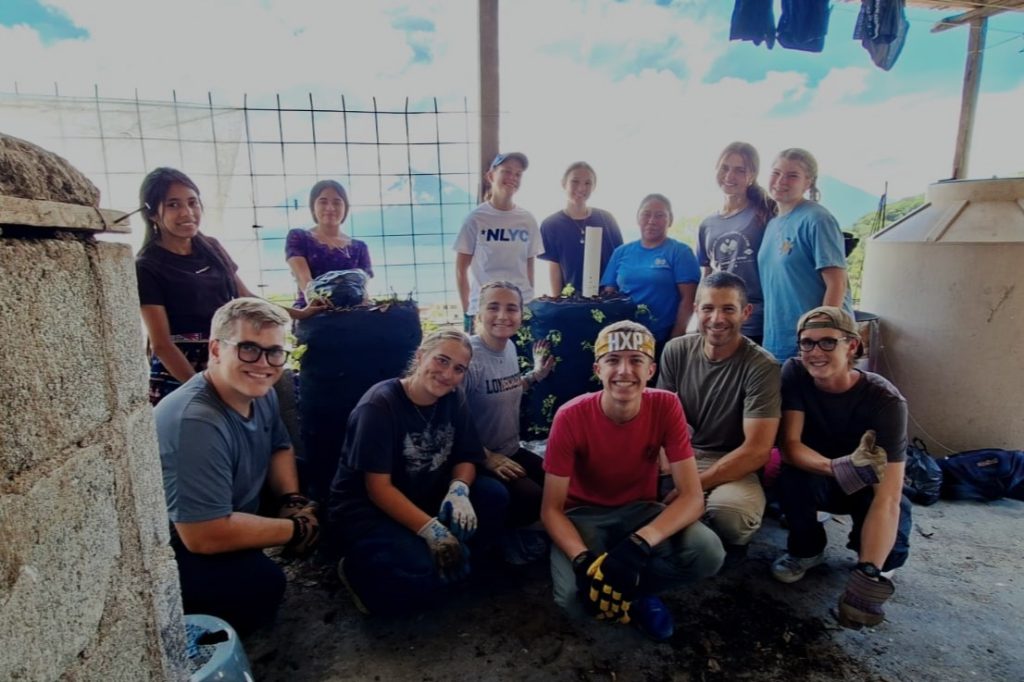
Responsible volunteering begins with respect for the people and place being served.
San Andrés sits near Lake Atitlán at about 7,047 feet, or 2,148 meters, according to Be Humanitarian.
As noted by ScienceDirect:
“VTOs should involve the local community in the decision-making process for volunteer activities. It is essential to share their voices and concerns about how the VT is set up to ensure that they meet the community’s expectations.” – ScienceDirect
Guatemala also has many Indigenous communities and languages. UNICEF notes that the country has 22 Mayan communities.
Visitors should listen before acting. Local coordinators can explain customs, community expectations, and how volunteers should approach families, schools, and activities.
- Learn local customs.
- Follow local guidance.
- Respect Mayan traditions.
- Ask before assuming.
- Listen to families.
Respect shapes the experience.
How Should Volunteers Address Indigenous Community Realities?

Volunteers should treat Indigenous communities as partners with their own languages, traditions, knowledge, and priorities.
Language can affect daily communication. Guatemala is home to many Indigenous languages, so visitors may not communicate directly with every family.
Research from Social Science & Medicine shows
“A 2018 study in Social Science & Medicine provides essential background on why Guatemala became a hub for global health volunteering. Key facts from the paper: 97% of Guatemala’s health services are delivered in rural health posts and health centers, only 3% in national hospitals; the country has 44 national hospitals for a population of roughly 17 million; government health spending is approximately $233 per capita per year, with Guatemalans paying 53% of total healthcare costs out of pocket .” – Social Science & Medicine
Local coordinators can help. They know the families, programs, and community setting. That knowledge helps volunteers avoid making assumptions about what people need.
Be Humanitarian describes its trips as guided experiences with local teams who work with communities throughout the year.
- Listen before acting.
- Follow local coordinators.
- Respect community customs.
- Avoid broad assumptions.
- Let families guide the work.
Local knowledge matters.
Why Does Financial Transparency Matter To Volunteers?
Financial transparency helps volunteers understand how their money and support are used.
People should be able to ask where donations go, what sponsorship covers, and who manages local projects.
Be Humanitarian lists specific sponsorship levels and explains what different monthly amounts can support. The organization also reports a Candid Seal of Transparency.
A clear program should explain its funding in plain language. It should also separate volunteer activities from year-round work.
- Ask where donations go.
- Ask about sponsorship funds.
- Ask who manages projects.
- Ask what runs year-round.
- Ask how progress is shared.
Clear answers build trust.
How Can Child Sponsorship Support Volunteer Impact?
Child sponsorship shows the long-term impact Guatemala volunteers make beyond the dates of a trip. A volunteer may spend 8-11 days in Guatemala, while a sponsored child remains connected to the program long after the visitor returns home.
Be Humanitarian lists monthly sponsorship options from $37 to $111, with different levels supporting meals and education costs.
| Support | Potential Pathway |
| $37 Monthly | Breakfast support |
| $74 Monthly | Breakfast and lunch |
| $111 Monthly | Meals and education |
| Volunteer service | Hands-on support |
| Continued support | Long-term connection |
Sponsorship isn’t about buying a child’s future. It’s about helping fund ongoing support.
What Role Can Corporate Volunteering Play?
Corporate volunteering can give teams a way to serve while supporting programs that already exist.
Business owners and employees may bring useful skills, funding, or extra hands. The local team should still guide the work.
Be Humanitarian offers group volunteer experiences that can include community projects, supplies, gardening, education activities, and child sponsorship.
| Business Support | Possible Use |
| Employee volunteering | Hands-on service |
| Sponsorship | Ongoing child support |
| Donations | Program expenses |
| Supplies | Community projects |
| Partnerships | Long-term support |
A company can also look at what happened after the trip. Photos can document the experience, but they shouldn’t be the measure of success.
Which Volunteer Skills Create The Strongest Value?
The strongest contribution often matches what the local program needs.
Not every volunteer needs a special qualification. Someone may help with gardening or supplies. A teacher may support English activities. A business owner may contribute through sponsorship or funding.
The local team should help decide where each person fits.
| Volunteer Profile | Potential Fit |
| Teachers | English and education |
| Skilled professionals | Technical projects |
| Entrepreneurs | Sponsorship and partnerships |
| Retired professionals | Service and sponsorship |
| General volunteers | Gardens, supplies, children |
Bring your skills. Follow local direction.
How Can Volunteers Measure Impact After Returning Home?
Look at what continues after the trip, not only what happened during it.
A volunteer might distribute 50 water filters. That’s an activity. The next question is whether families continue using them.
The same idea applies to education, nutrition, and community projects. Did the program continue? Were families still involved? Did support reach the people it was meant to serve?
Track:
- Nutrition: Meal support
- Education: School connection
- Projects: Continued use
- Families: Local involvement
- Sponsorship: Continued support
Activities show what happened. Outcomes show what lasted.
What Should Volunteers Ask Before Choosing A Guatemala Program?
Ask how a program works before deciding where to volunteer, especially if you want a positive volunteer vacation impact in Guatemala.
Find out who guides the work, what volunteers actually do, and how projects continue after the trip.
Be Humanitarian describes its Guatemala trips as guided experiences led by Tobie Spears and local coordinators.
Useful questions include:
- Who identifies community needs?
- Who guides volunteers?
- How are funds used?
- What runs year-round?
- Who maintains projects?
- What will volunteers do?
- How are families involved?
- How does sponsorship work?
Specific answers are better than broad promises.
What Does A Volunteer Day In San Andrés Actually Look Like?
Credits: Be Humanitarian
Most volunteer days in San Andrés include about 5-7 hours of hands-on service. The schedule can change based on local needs and planned activities.
You might distribute water filters in the morning, help with an English class later, then spend time gardening or playing soccer with children.
After volunteering, there’s time to eat, rest, and talk with other participants about the day.
- Water-filter distribution
- English classes
- Gardening projects
- Soccer with children
- Family activities
Each day can look different.
What Should Older Volunteers Know About Altitude?
Older volunteers should consider the altitude and physical demands before traveling to San Andrés.
At about 7,047 feet, physical work may feel harder during the first few days.
If you have a heart or breathing condition, talk with your doctor before the trip. Drink water, take breaks, and follow guidance from the trip team.
Be Humanitarian says volunteers have access to nearby clinics and support from an experienced team. It also reports having volunteers over 70.
- Pace yourself.
- Drink water.
- Take breaks.
- Follow local guidance.
- Ask for help.
Safety comes first.
How Can Volunteers Make The Trip Part Of Something Longer?
The strongest volunteer experience doesn’t have to end when the plane leaves Guatemala.
Before the trip, learn about the community and choose a program with local relationships. During the visit, take part in the work and pay attention to how local teams continue it.
After returning home, you can stay involved through sponsorship, future visits, donations, or responsible advocacy.
You don’t need a huge commitment. Pick something you can keep doing.
- Choose a local-focused program.
- Match skills to real needs.
- Participate during the trip.
- Learn how programs continue.
- Consider child sponsorship.
- Stay involved after returning.
- Share stories with respect.
That makes the trip part of a longer relationship rather than a one-time activity.
How Should Volunteers Tell Their Stories?
Volunteers should share their Guatemala experiences without reducing families to images of poverty.
Ask permission before posting photos of children or families. Avoid language that presents volunteers as rescuers. Give credit to local teams and explain the work in context.
A picture can show what happened that day. It can’t explain a person’s whole life.
- Ask before photographing.
- Protect children’s privacy.
- Credit local partners.
- Avoid “savior” language.
- Share useful context.
Respect matters online, too.
How Can Retirees And Older Professionals Get Involved?
Retirees and older professionals can contribute through hands-on service, professional skills, or ongoing sponsorship.
A retired teacher might enjoy English activities. A former business owner could support fundraising or sponsorship. Someone who prefers physical work might help with gardens, supplies, or water filters.
Be Humanitarian says it has welcomed volunteers over 70.
Choose activities that fit your abilities, especially when working at altitude.
- Teachers: Education support
- Business owners: Sponsorship
- Retirees: Community service
- Skilled workers: Technical help
- General volunteers: Daily projects
Experience can help. Local guidance should lead.
How Can You Choose The Right Volunteer Program?
Look for local involvement, clear activities, ongoing programs, and honest communication.
Travel photos only tell part of the story. Find out who leads the work, what volunteers actually do, and what happens after they leave.
Ask how projects are selected and how donations are used. Be Humanitarian describes its Guatemala experience as a structured trip near Lake Atitlán, with local coordination and activities linked to existing community programs.
| Question | What To Look For |
| Who leads the work? | Local coordination |
| What will I do? | Clear daily activities |
| What happens later? | Ongoing support |
| Where does money go? | Clear funding details |
| Who benefits? | Local families |
If the answers are vague, ask more questions.
FAQ
What Should I Expect From My First Volunteering Experience In Guatemala?
Your first Guatemala volunteer experience may feel different from a typical vacation. You will likely work with local people, follow a planned schedule, and adjust to unfamiliar customs or routines. Volunteering in Guatemala can include practical tasks, community activities, or service projects. Stay flexible, ask questions when you are unsure, and take time to understand how the local community approaches each project.
How Can I Find Volunteer Opportunities That Match My Skills?
Start by reviewing the actual work involved instead of choosing a program based only on its location. Compare volunteer opportunities in Guatemala based on your skills, interests, available time, and physical ability. Teachers may prefer education programs, while other volunteers may enjoy community projects or environmental activities. Choosing work that matches your abilities can make your volunteer contributions in Guatemala more useful.
What Are The Personal Benefits Of Volunteering In Guatemala?
The benefits of volunteering in Guatemala can extend beyond helping with a specific project. You may develop practical skills, meet people from different backgrounds, and gain a better understanding of local life. Cross-cultural volunteering can also strengthen your communication, teamwork, and ability to adapt to new situations. The experience may also encourage you to continue supporting community work after you return home.
How Can I Tell If My Volunteer Work Is Making A Difference?
Look at volunteer outcomes instead of counting only the hours you worked or tasks you completed. Measuring volunteer impact can involve checking whether a project remains useful, whether people continue using the support, and whether local participation continues. A useful volunteer impact assessment should focus on practical results and feedback from the people involved rather than relying only on photos or activity counts.
What Makes Volunteer Work More Sustainable Over Time?
Sustainable volunteering in Guatemala means supporting work that can continue without depending entirely on visiting volunteers. Look for community-led development, local partnerships, and projects based on clearly identified community needs. Long-term volunteer impact is more likely when local people help shape decisions, manage activities, and maintain useful projects. This approach can create more sustainable community impact after international volunteers return home.
Supporting Sustainable Impact With Be Humanitarian
Supporting children and families near Lake Atitlán can start with hands-on volunteer work or child sponsorship through Be Humanitarian. Volunteer trips usually run 8-11 days, with activities based on current community needs. You can use your skills, learn from local leaders, and take part in work that supports families directly.
You don’t have to stop when the trip ends. Child sponsorship, returning to volunteer, or supporting ongoing programs can help you stay involved. Start by exploring Be Humanitarian’s volunteer and child sponsorship opportunities to find a simple way to get involved.
References
- https://www.sciencedirect.com/org/science/article/abs/pii/S2514979224000247#1
- https://www.sciencedirect.com/science/article/abs/pii/S0277953618302569#1