Volunteer travel in Guatemala can change education and community support in rural areas. So keep reading to see how it works.
So real impact shows up when local leaders guide programs in Mayan communities. Many families depend on school support and health access that changes daily life.
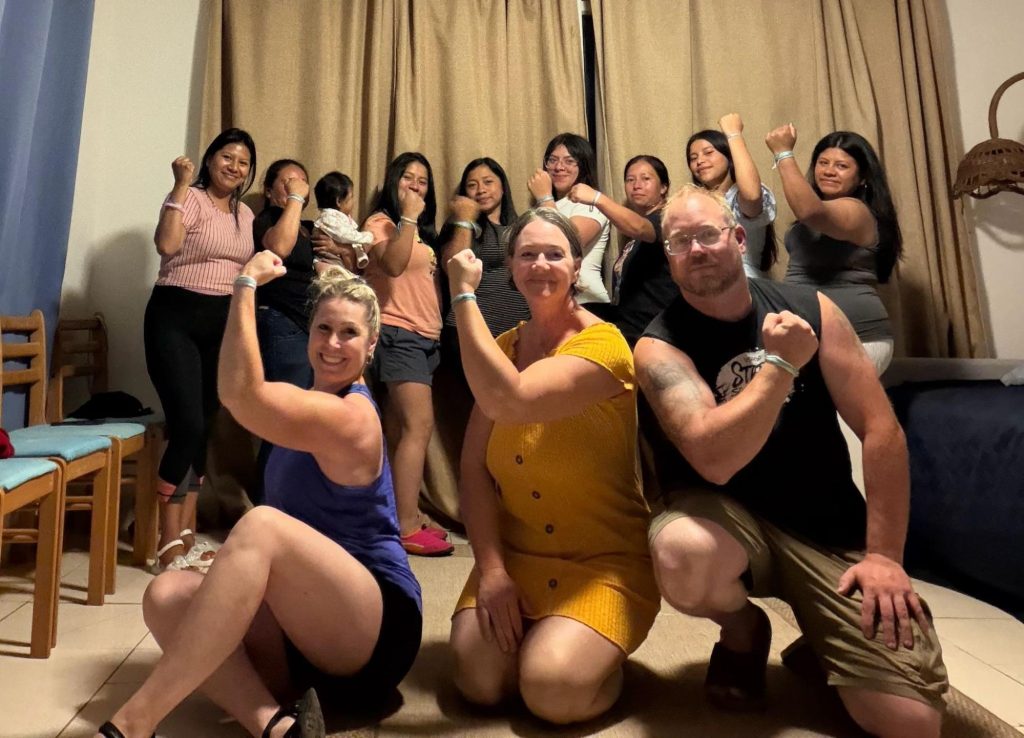
But volunteers don’t just observe; they join classrooms, meals, and daily routines with families.
Real change happens there.
So volunteers don’t stay distant; they learn through shared work, and local teachers guide each step with steady support along the way there. Keep reading to see how it works.
What You’ll Take Away From This Experience
Volunteer vacation impact in Guatemala becomes meaningful when it connects directly to long-term community priorities rather than short-term activities alone.
- Volunteer impact in Guatemala is strongest when it strengthens local systems like schools, health outreach, and nutrition programs.
- Volunteer vacations in rural Guatemala focus on education support, water access, and community-led development in San Andrés.
- Sustainable impact depends on continuity, trust, and child sponsorship funding that supports long-term schooling outcomes.
What Impact Do Guatemala Volunteers Make
Understanding what impact Guatemala volunteers make feels most real when a volunteer vacation supports systems that already exist in the community. Schools, nutrition programs, and local health efforts are the main focus in places like San Andrés.
This is also where the impact of volunteers in Guatemala becomes most visible, especially when programs are built to strengthen what local communities are already doing rather than changing it.
Volunteers integrate into existing schedules instead of introducing unverified systems. This disciplined approach maintains classroom stability. The operational goal centers entirely on assisting local staff, never on replacing them.
In rural Guatemala, child malnutrition remains one of the most serious development challenges. This helps explain why volunteer support often connects directly to food access, school meals, and learning environments.
As highlighted by Victoria University of Wellington
“In his research with Australian Youth Challenge International volunteer tourists engaged in environmentally focused projects in Costa Rica, Wearing (2001) identified self-development to be one of the outcomes reported by volunteer tourists as a result of the experience.” – Victoria University of Wellington
And daily volunteer work usually runs under local supervision, often about 5–7 hours per day. It’s steady, but not rushed.
Typical activities include:
- Classroom help in small groups
- English practice with students
- Garden work for food support
- Sports and group play sessions
But none of this happens alone. Local staff stay involved the whole time.
Look, the goal isn’t replacement. It’s support.
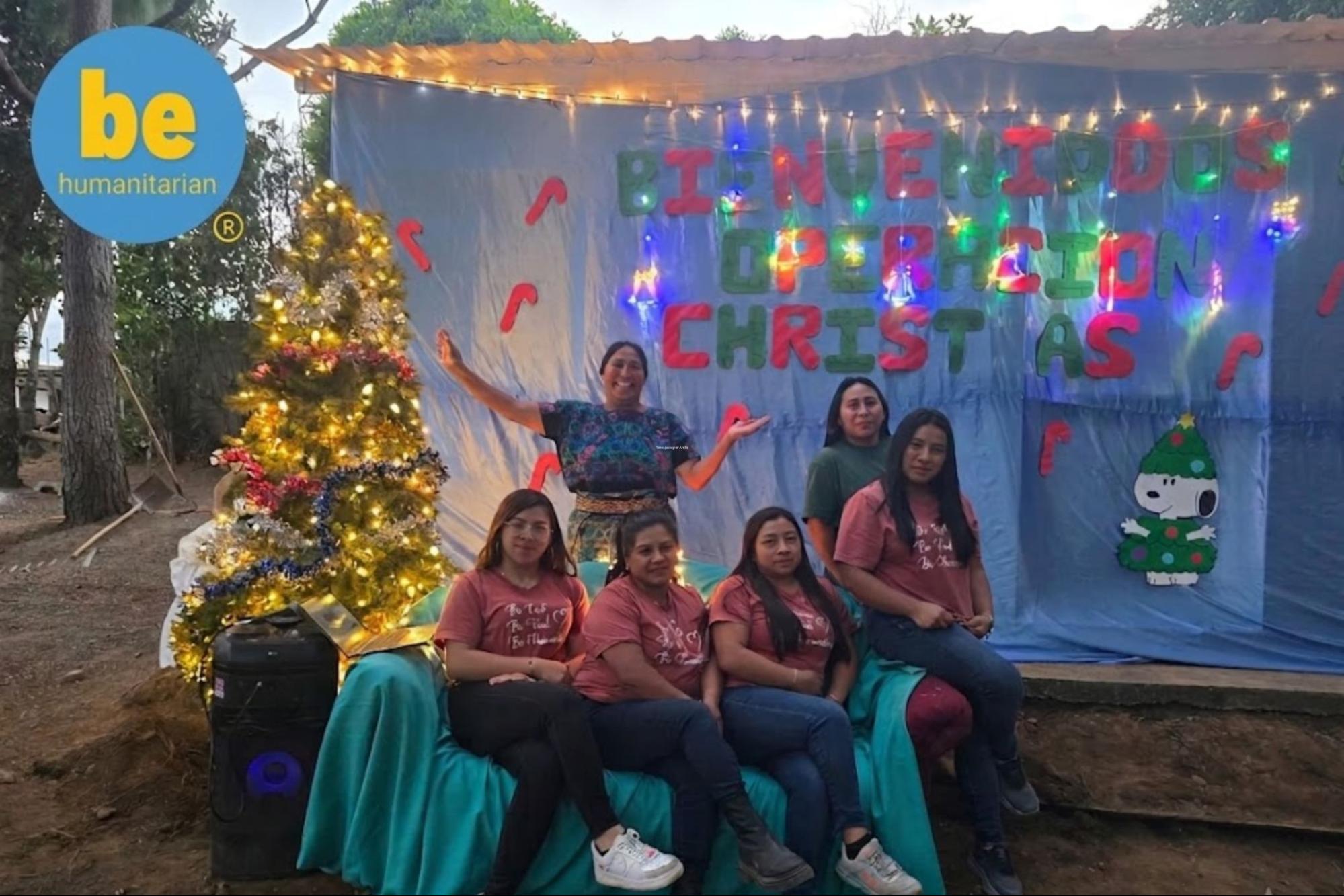
Volunteer programs in communities supported by Be Humanitarian focus on that balance. Teachers and coordinators lead, while volunteers assist where extra hands are needed.
Still, even small actions can matter. A bit more attention in a classroom. A shared meal. A learning activity that sticks with a child.
That’s where impact starts to feel real.
How Volunteer Vacations Impact Rural Guatemala
Volunteer vacations in Guatemala run inside communities shaped by long-standing inequality. Education and healthcare access can look very different from one town to another, especially in rural areas like San Andrés.
That’s why the idea of volunteer vacations impact rural Guatemala is closely tied to how daily support is structured and guided by local educators and community leaders.
Typical day pattern:
- Morning: classroom support
- Midday: gardening or nutrition work
- Afternoon: learning games or sports
- Evening: rest and reflection
And local teachers stay in charge of learning goals. Volunteers don’t decide the curriculum. They support it.
Look, that matters more than it sounds.
Most stays last about 8-11 days, with 5-7 hours of service per day. Short enough to fit travel schedules. Long enough to build familiarity for people interested in travel experiences that combine cultural immersion with meaningful community involvement.
A few programs also include cultural visits, often to Antigua Guatemala, giving context to the country beyond the volunteer site.
Why Does Guatemala Volunteer Impact Matters

Volunteer impact matters in Guatemala because the challenges stack up. Education, nutrition, housing, and healthcare often overlap in the same households.
This is also the core reason why does guatemala volunteer impact matter becomes such an important question, especially when small improvements in one area often influence several others at once.
So even small improvements can shift daily life.
This shows why education support and basic services are often linked in the same programs.
Common rural challenges include:
- Limited classroom materials
- High child malnutrition rates
- Long travel to clinics
- Few support services nearby
And none of these exist alone. They connect, especially when seen through the lens of best Guatemala volunteer vacation programs for seniors that emphasize long-term engagement and consistent community support rather than short-term visits.
What Is Sustainable Volunteer Impact

Sustainable impact means the work still holds value after volunteers leave. Not temporary help. Not one-off effort.
So the structure in San Andrés focuses on local control.
Key elements include:
- Local teachers lead classrooms
- Community runs nutrition programs
- Gardening supports food supply
- Water filters managed locally
And volunteers plug into those systems instead of building new ones. This approach helps create sustainable volunteer impact because local programs continue operating under community leadership long after a volunteer visit ends.
Sustainability also depends on repetition. Returning volunteers. Ongoing funding. Stable coordination.
Comparison Table: Volunteer Vs Sponsorship Impact
| Category | Volunteer Vacations | Child Sponsorship |
| Timeframe | 8-11 days | Multi-year |
| Focus | Direct support | Long-term education funding |
| Impact type | Immediate reinforcement | Structural outcomes |
| Community role | Assisted participation | Continuous development |
| Sustainability | Medium if repeated | High with steady funding |
And yeah, both matter. But they work differently.
One is presence. The other is continuity.
The Impact Of Child Sponsorship Funding
Source: Be Humanitarian
Child sponsorship is built for long-term stability. It doesn’t end when a volunteer leaves. It continues across school years.
A six-country study published in the Journal of Political Economy reports:
“We find large, statistically significant impacts on years of schooling; primary, secondary, and tertiary school completion.” – Wydick, Glewwe, & Rutledge
Research suggests sponsorship can increase secondary school completion by 12-18 percentage points and add about 1.03 to 1.45 years of schooling. So the effects are measurable over time.
Funding often supports:
The broader impact of child sponsorship funding extends beyond individual students. Consistent support can help families maintain school attendance, improve educational stability, and create stronger opportunities for long-term development within the community.
- School supplies
- Nutrition programs
- Transport to school
- Long-term retention support
Many supporters choose to contribute through sponsorship donations because recurring assistance helps sustain educational programs and family support services throughout the year, rather than only during short-term projects.
And in programs linked with Be Humanitarian, sponsorship connects with wider community work like gardens and classroom support.
Look, that connection is important. One system alone doesn’t carry everything.
Sponsorship helps reduce dropout rates, improves literacy, and strengthens stability at home.
Still, the biggest results come when school support and family support move together.
FAQs
What is volunteer impact in rural Guatemala communities?
Volunteer impact in Guatemala is most effective when it strengthens rural schools, health outreach programs, and family support systems in rural Guatemala communities. Volunteers support teachers with classroom resources, assist literacy programs, and contribute to student learning in structured settings.
Real Guatemala volunteering impact depends on community partnerships, local leadership, and long-term coordination that improves education access, nutrition programs, and child well-being.
How do volunteer vacations in Guatemala contribute to community development?
Volunteer vacations in Guatemala contribute to community development by supporting structured education support, youth development, and public health initiatives. Volunteers assist with classroom support, nutrition programs, and clean water access projects under local supervision.
These service trips are most effective when they follow ethical volunteering principles and strengthen capacity building instead of replacing local workers. This approach supports rural infrastructure and long-term community resilience.
Why are sustainable volunteering and ethical volunteering important in Guatemala?
Sustainable volunteering and ethical volunteering are important because they improve aid effectiveness and prevent short-term or disconnected interventions. In rural poverty contexts, volunteer programs must align with local priorities through program evaluation and transparent nonprofit programs.
Ethical travel ensures that volunteers support local empowerment, sanitation improvement, and health clinics while working alongside local NGOs. This approach strengthens responsible travel and supports long-term development goals.
How does child sponsorship funding support education and families?
Child sponsorship funding supports education access by helping children remain in school through consistent financial support for school supplies, classroom resources, and transportation.
It also strengthens literacy programs, teacher assistance, and school retention in rural schools. Sponsorship funding contributes to nutrition support, family sponsorship, and child protection services. These combined efforts improve youth development outcomes and reduce barriers linked to poverty alleviation in rural Guatemala.
What is the long-term social impact of volunteer programs in Guatemala?
Volunteer programs create long-term social impact when they support health clinics, housing projects, sanitation improvement, and environmental protection initiatives. In rural Guatemala, volunteers contribute to community health, reforestation efforts, and conservation activities that strengthen local ecosystems.
These development projects are most effective when guided by local leadership and impact measurement systems. When combined with donor support, they promote sustainable aid and long-term change in indigenous communities.
Stronger Impact Through Local-Led Volunteering
When you join volunteer vacations in Guatemala, it can feel frustrating if your effort does not clearly translate into impact. In San Andrés, real value comes when you follow local leadership and plug into existing school systems, supporting education and daily classroom work guided by the community.
Child sponsorship extends that effort beyond a short visit, adding long-term stability for families. When combined, both approaches create stronger, lasting outcomes. For a structured way to support this model, you can connect with Be Humanitarian.
References
- https://ir.wgtn.ac.nz/items/8e67032e-f740-4058-8836-002c0351f85e
- https://www.journals.uchicago.edu/doi/10.1086/670138