Child Sponsorship Programs: How They Work and How to Choose One You Can Trust
Summary
Who this is for: Anyone considering child sponsorship for the first time, comparing programs, or wondering whether their monthly donation is actually reaching the child it’s meant for.
Key takeaways:
- Child sponsorship usually funds community-wide programs, not a single child directly, and understanding that distinction changes what you should expect.
- Costs typically range from $20 to over $100 a month, depending on the organization and what’s included.
- The most trustworthy programs can tell you exactly what your money pays for, in specific terms, not vague mission language.
- Financial transparency, like a published Candid Seal or independent audits, is one of the clearest signs of a legitimate program.
- Be Humanitarian’s sponsorship program in Guatemala breaks costs down by exactly what they fund: English classes, meals, or full educational coverage.
What’s inside:
- What child sponsorship actually pays for
- How much it typically costs
- Warning signs of a program that isn’t transparent
- What a legitimate program should be able to tell you
- How Be Humanitarian’s sponsorship model works
Somewhere between the photo of a smiling child and the monthly credit card charge, most people lose track of what child sponsorship is actually paying for. That’s not a criticism. Most large sponsorship organizations don’t make it easy to follow the money, and the marketing tends to emphasize the emotional connection over the mechanics.
Both things can be true at once: child sponsorship is one of the more effective ways an individual donor can support long-term change, and a lot of people sign up without fully understanding how their money moves once it leaves their bank account. This article breaks down how these programs actually work, what separates a trustworthy one from a vague one, and what to ask before you commit to a monthly donation.
What Child Sponsorship Actually Means
Child sponsorship is a recurring donation, usually monthly, tied to a specific child or community rather than given as a one-time gift. In exchange, sponsors typically get updates, sometimes photos, and in some programs, direct correspondence with the child they’re supporting.
Here’s the part that surprises a lot of first-time sponsors: in most large programs, your donation doesn’t go directly to that one child’s family. It gets pooled with other sponsors’ contributions and used to fund community-level programs, things like schools, clinics, clean water projects, and nutrition initiatives that benefit the sponsored child along with everyone else in that community.
That’s not necessarily a bad thing. Community-wide programs often do more good than an individual cash transfer would, since they build infrastructure that outlasts any single sponsorship relationship. But it does mean the photo and bio you receive represents a connection to a place and a program, more than a direct one-to-one transaction. Reputable organizations are upfront about this. Vague ones let you assume otherwise.
What Child Sponsorship Typically Costs
Monthly costs across the sponsorship industry generally fall between $20 and $40, with some organizations offering tiers that go higher depending on what’s included. A few things affect where a specific program lands:
- Whether the sponsorship covers basic needs (food, health) or extends to education and long-term development
- Whether the organization operates its own in-country programs or funds local partner organizations
- How much of the donation goes to program costs versus administrative and fundraising overhead
That last point is worth checking before you commit. Charity evaluators like Charity Navigator and GuideStar publish overhead ratios for most major sponsorship organizations, and it’s a reasonable thing to look up before you set up a recurring donation.
Warning Signs Worth Taking Seriously
Not every child sponsorship program is run well, and a few patterns show up consistently in the ones that aren’t:
- Vague answers about where the money goes. If you ask what your monthly donation specifically funds and get a general answer about “helping children in need” rather than a breakdown, that’s worth noting.
- No published financial information. Legitimate nonprofits make their financials available, whether through annual reports, a GuideStar or Candid profile, or a straightforward answer when you ask.
- Pressure to sign up immediately. A program confident in its own transparency doesn’t need urgency tactics to get you to commit.
- No clear connection between your sponsorship and a specific place or program. If the organization can’t tell you where the work happens or who’s doing it, that’s a gap worth asking about directly.
None of these automatically mean a program is fraudulent. Even large, well-known charities pool funds and use broad program descriptions. But the organizations doing this well will still answer specific questions clearly when asked.
What a Trustworthy Program Should Be Able to Tell You
Before sponsoring a child anywhere, it’s reasonable to ask:
- Does my donation go directly to the child’s family, or is it pooled into a community program?
- What specifically does my monthly amount pay for?
- Who runs the program on the ground, local staff or the organization’s own international team?
- How long has the organization worked in this specific community?
- Is financial information publicly available?
A program that answers all five clearly and specifically is a program worth trusting. One that answers in mission statements and stock photography language is one to look at more closely.
How Be Humanitarian’s Sponsorship Program Works
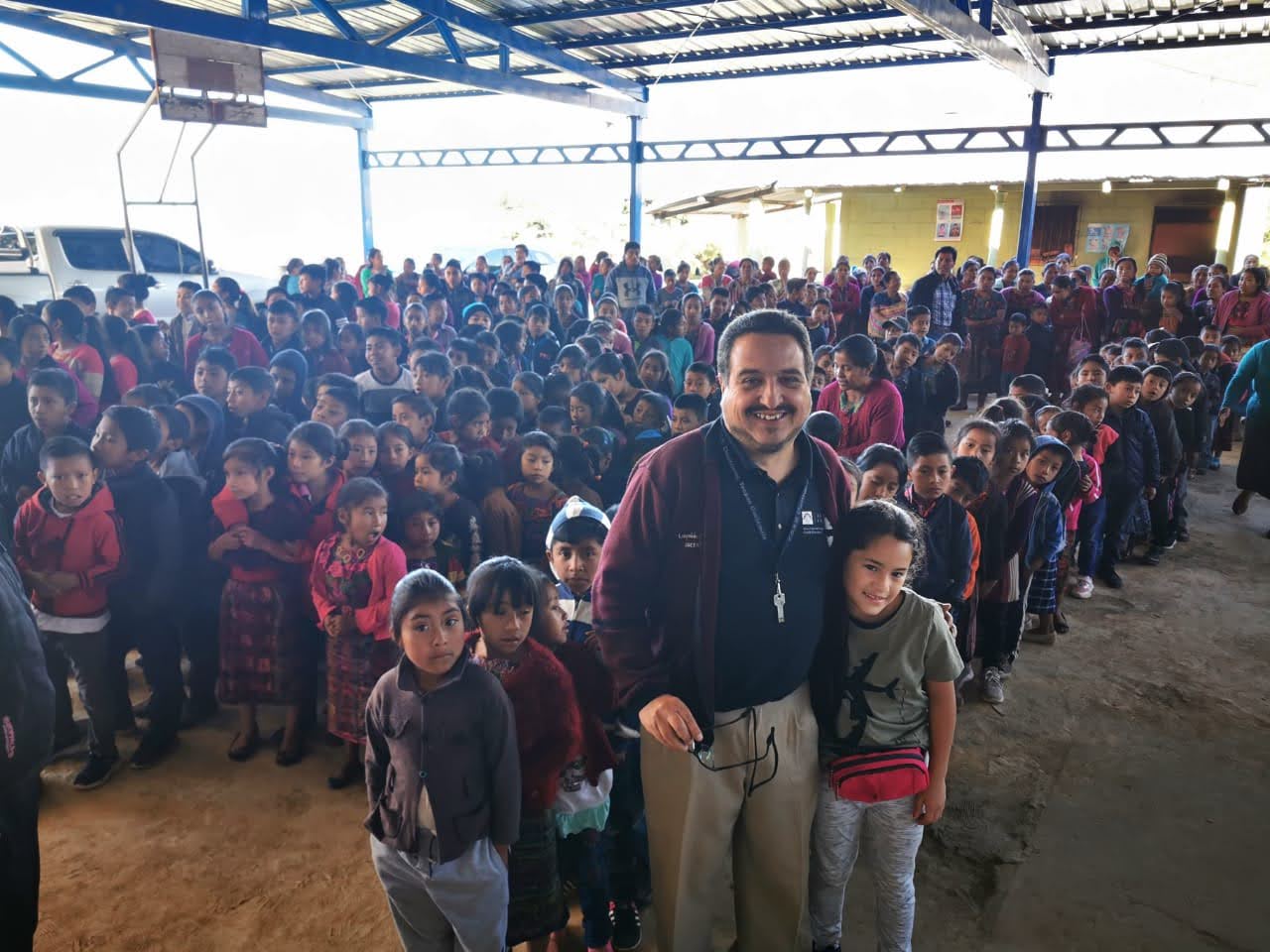
Be Humanitarian runs a child sponsorship program in the rural communities around Lake Atitlan, Guatemala, where the organization has built relationships with individual families for over a decade. The sponsorship tiers are broken down by exactly what they fund, rather than a single flat monthly rate:
- $20 a month funds 20 hours of English classes for a child.
- $37 a month covers breakfast for a child for the full month.
- $74 a month covers both breakfast and lunch for the full month.
- $111 a month covers breakfast, lunch, and a child’s educational costs for the month.
That structure exists so sponsors know precisely what their contribution is doing, not just that it’s going toward a broad mission. Be Humanitarian holds the Candid Seal of Transparency, and because the organization is founder-led and works in a specific, limited set of communities rather than dozens of countries, sponsors are supporting a program small enough that the connection between a donation and its outcome is easy to trace.
This is also a nonprofit built around a hybrid model. Some supporters sponsor a child. Others join a volunteer vacation and meet the community their sponsorship supports firsthand. Either way, the same year-round nutrition, education, and family support programs are what the money funds.
Ready to Sponsor a Child?
If you’ve been looking for a sponsorship program where you know exactly what your donation funds, Be Humanitarian’s Sponsor a Kiddo program supports specific children and families in the communities the organization has worked with for over a decade.
Learn More About Sponsoring a Child in Guatemala
Frequently Asked Questions About Child Sponsorship
How does child sponsorship work?
Child sponsorship involves a recurring, usually monthly, donation tied to a specific child or community. In most programs, the funds are pooled with other sponsors’ contributions to support community-wide services like nutrition, education, and healthcare, rather than being transferred directly to the individual child’s family.
Does my money really go to the child I’m sponsoring?
In most large sponsorship organizations, your donation is combined with other sponsors’ contributions and used for community-level programs that benefit your sponsored child along with other children in the same area. Some smaller or more localized programs allocate funds more directly. Ask the organization directly how the model works before you sign up.
How much does child sponsorship typically cost?
Monthly costs generally range from $20 to $40 across most major organizations, though some programs offer tiers up to $100 or more depending on what’s included, such as education costs or medical care.
Is child sponsorship a legitimate way to help?
Yes, when the organization is transparent about how funds are used and can answer specific questions about where your money goes. Look for published financial information, a track record in the specific community, and clear answers rather than vague mission statements.
How can I tell if a child sponsorship charity is trustworthy?
Check whether the organization publishes financial information, can explain exactly what your donation funds, and has an established, verifiable history working in the community it serves. Independent evaluators like Charity Navigator and GuideStar are useful stararting points for researching a specific organization.
What’s the difference between sponsoring a child and making a one-time donation?
Sponsorship is a recurring monthly commitment that typically supports ongoing programs and, in many cases, includes updates or a connection to a specific child or community. A one-time donation is a single gift, often less tied to a specific ongoing relationship or update schedule.
Can I sponsor a child in Guatemala specifically?
Yes. Be Humanitarian’s sponsorship program supports children and families in rural communities near Lake Atitlan, Guatemala, where the organization has operated consistently for more than a decade.
Do sponsored children know who is sponsoring them?
This varies by organization. Some programs facilitate direct correspondence between sponsors and children, while others focus funding on community programs without individual communication. It’s worth asking a specific program how, or whether, that connection works before you sign up.
What happens if I need to stop sponsoring?
Most reputable programs allow sponsors to pause or end a sponsorship at any time, and many will work to transition a child to a new sponsor rather than immediately cutting program support. Ask about this policy before starting, since it varies by organization.
Is child sponsorship tax-deductible?
If the organization is a registered 501(c)(3) nonprofit, your sponsorship donation is typically tax-deductible. Be Humanitarian is a registered nonprofit. Keep records of your donations and check with a tax professional about your specific situation.