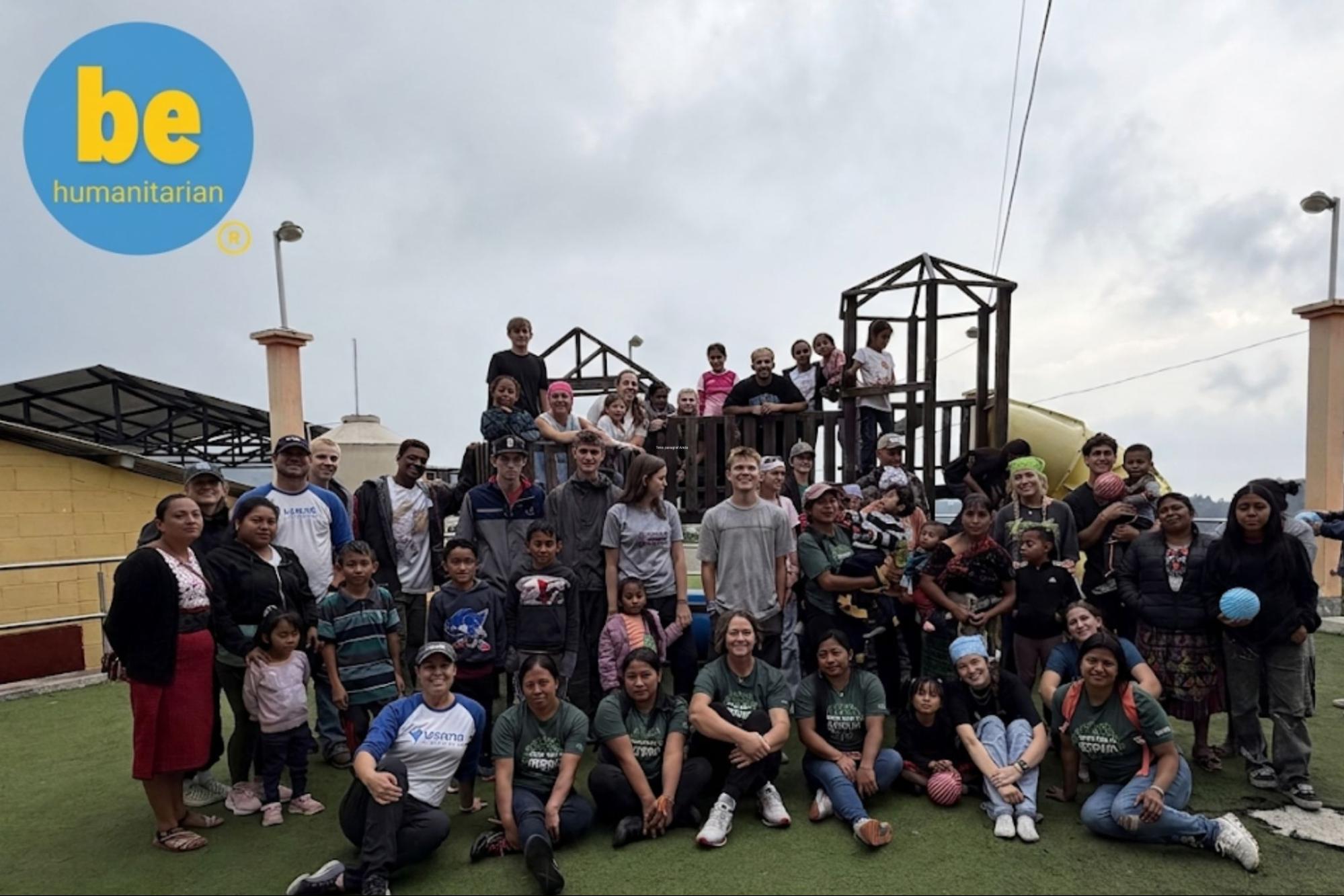
Ethical volunteer trips in Guatemala should be based on community-led priorities such as education, nutrition, and family support.
Be Humanitarian’s Guatemala Volunteer Program appears to offer structured itineraries. These 8-11 day volunteer vacations focus on collaboration over charity optics guided by local teams and Tobie Spears.
Travelers engage in structured service while building long-term relationships with rural communities learning from local leaders and supporting daily needs through education and nutrition projects that aim to strengthen resilience and create responsible impact over time in each village setting with community partnership focus efforts. keep reading
Essential Insights for Ethical Volunteer Travel in Guatemala
Before you book ethical volunteer trips in Guatemala, it helps to understand how the experience is structured around community partnership, daily hands-on service, and long-term child-focused support rather than short visits or surface-level volunteering.
- Ethical volunteer travel in Guatemala centers on community-led development and long-term partnership, not short-term aid moments
- Daily schedules may include several hours of structured service, depending on the itinerary
- Child sponsorship programs support education and nutrition stability through transparent funding models
Why Ethical Volunteer Trips In Guatemala Matter For Real-World Impact
Ethical volunteer travel in Guatemala is not about quick fixes. It’s about steady, local change built with families and teachers who already live the work every day, which is why understanding how ethical volunteering matters and how Guatemala volunteering is structured becomes essential for long-term impact.
In places around Lake Atitlán and nearby rural villages, the focus stays on education access, child nutrition, and household stability. Communities guide the direction first. Volunteers follow that lead.
So instead of “showing up to help,” the role becomes something quieter and more grounded: supporting systems that already exist.
“Volunteer tourism is most effective when it is embedded in local systems and aligned with host community priorities rather than visitor-driven goals.” – Systematic review
How Impact Differs From Traditional Volunteer Travel
Traditional models often center the visitor experience. Ethical programs flip that idea.
Work is shaped by long-term needs like early learning support, nutrition programs for children, and school readiness. Organizations such as Be Humanitarian Guatemala Volunteer Program design trips around those ongoing priorities.
That matters more than people expect. Really.
Why Helping Alone Isn’t Enough
Good intentions don’t always match real conditions on the ground. That’s why many travelers look into structured programs like ethical volunteer vacations in Guatemala that prioritize continuity over short-term activity.
Malnutrition, limited school supplies, and transport barriers don’t get solved in a week. So ethical programs avoid short bursts of activity without follow-through.
Ethical groups maintain focus on long-term continuity by returning to the exact same families and schoolrooms season after season. The morning routine for an incoming traveler is basic and clear.
A helper wakes up early, listens to the daily brief from the local project coordinator, and follows instructions closely. These coordinated actions keep the village goals moving forward smoothly without disrupting daily life.
What Makes A Volunteer Program In Guatemala Truly Ethical
Ethical work isn’t about how exciting the trip looks. It’s about how decisions are made, especially when travelers are trying to choose volunteer vacations that feel meaningful, or participate in programs built around ethical volunteer vacations rather than visitor-centered experiences. And more importantly, who gets to make them.
Community-Led Design vs Visitor-Led Ideas
In strong programs, local families and educators set priorities first.
That might mean preschool support in one village, nutrition programs in another, or kitchen improvements for safer cooking.
Volunteers step into that structure instead of creating new, separate projects.
Comparison Of Program Models
| Factor | Ethical Programs | High-Risk Voluntourism |
| Leadership | Local-led decisions | Visitor-led ideas |
| Focus | Education & nutrition | Short-term tasks |
| Impact length | Long-term support | Temporary outcomes |
| Role of volunteer | Support role | Center of experience |
| Accountability | Transparent systems | Limited clarity |
Ethical Project Types That Create Real Community Value
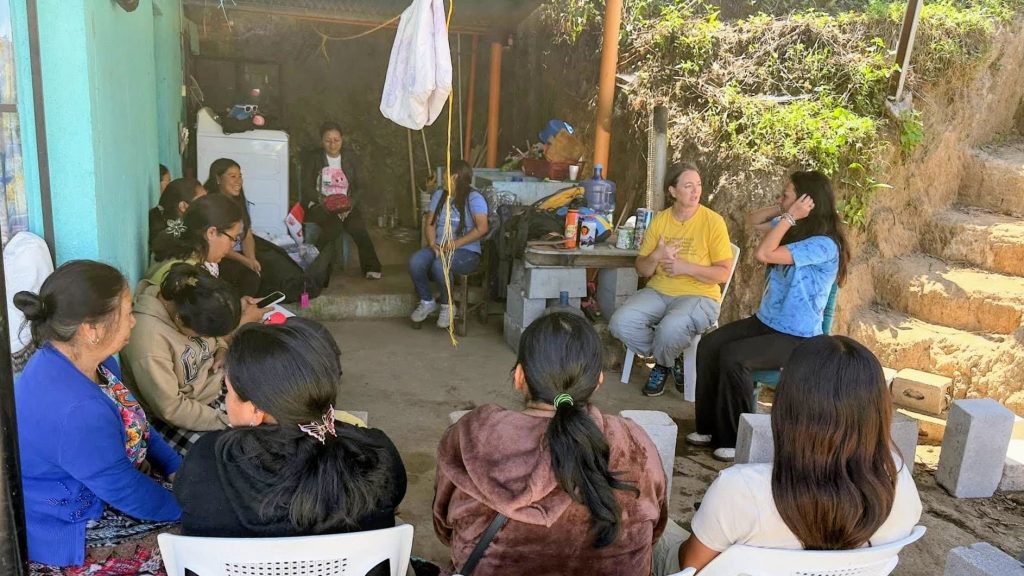 Not every volunteer activity leads to lasting change. The strongest programs in Guatemala focus on needs that communities themselves have identified over time.
And that changes the whole direction of the work.
High-Impact Community Projects
These are the kinds of projects that show up again and again in rural partnerships:
- Installing wood-burning stove systems for safer cooking
- Supporting preschool learning spaces
- Delivering school supplies to classrooms
- Building small garden plots for nutrition support
Each one connects to daily life, not abstract goals. Kids eat better. Schools run smoother. Homes become safer.
That’s the point.
Why These Projects Work Long-Term
Impact lasts when it fits into everyday routines.
So instead of one-time “events,” the focus stays on systems families can actually keep using after volunteers leave.
How Cultural Immersion Shapes Responsible Travel

Cultural immersion isn’t an activity on the schedule. It’s the background of everything else.
And it changes how volunteers see their role.
Learning Before Doing
Understanding local routines matters. How families structure their mornings. How schools operate. How community decisions are made.
Without that, even good intentions can miss the mark.
So listening comes first. Action follows.
Working Alongside, Not Above
Volunteers support existing systems instead of replacing them.
That might mean helping a teacher manage a classroom activity or joining a nutrition distribution already run by local teams.
Risks And Real Limits Volunteers Should Understand
Ethical travel doesn’t mean perfect outcomes. It means honest expectations.
And honesty matters more than enthusiasm here.
Impact Is Shared, Not Controlled
Volunteers are part of a larger system, not the center of it.
So outcomes depend on long-term community structures, not one trip or one group.
That’s a big shift for many travelers.
“Volunteer tourism produces mixed outcomes, including both community benefits and unintended negative effects such as dependency and unequal power relations when poorly structured.” – Journal of Sustainable Tourism
Role Clarity Matters
You’re not arriving to “solve” anything.
Get up. Listen. Follow guidance.
Small actions inside a bigger system.
Safety And Environment
Highland regions like San Andrés sit at elevation, around 7,047 ft (2,148 m). Weather can change quickly. Travel routes can take time.
Programs plan around these realities with experienced local coordination.
How Corporate And Group Trips Support Communities
Group travel brings more consistent funding and long-term program stability when done responsibly.
And in Guatemala, that consistency can matter a lot.
What CSR Trips Usually Support
Corporate groups often contribute to:
- Education programs for children
- Nutrition and food support systems
- Classroom resources and materials
- Community infrastructure improvements
Why Group Engagement Works
When aligned correctly, group trips don’t replace local systems. They strengthen them.
More resources. More continuity. More stability.
Long-term stability is often supported through ongoing sponsorship and community-focused donations that help sustain education and nutrition initiatives between volunteer visits.
But only when community leadership stays in control.
That part is non-negotiable.
Why Long-Term Thinking Matters Most
Source: Be Humanitarian
Short visits come and go. Communities stay.
So ethical travel has to think beyond the trip itself.
From Experience To Relationship
Over time, volunteers stop feeling like visitors and start becoming familiar faces.
Kids remember names. Teachers continue conversations. Small moments carry forward across years.
That’s where trust forms.
And trust is what holds everything together.
For many participants, the experience becomes more meaningful when they continue to travel with us through future community initiatives, creating deeper relationships that extend well beyond a single volunteer trip.
FAQs
What does ethical voluntourism in Guatemala involve?
Ethical voluntourism in Guatemala involves travel programs that focus on community led development and long term systemic change. These programs are not designed for short visits or symbolic help.
Instead, they involve structured collaboration with local organizations that define real community needs. Many guatemala volunteer vacations and humanitarian tours central america follow this model by supporting responsible travel Guatemala that strengthens self reliant communities through local capacity building and direct community impact.
How do child sponsorship Guatemala programs and transparent donation systems work?
Child sponsorship Guatemala programs provide direct financial support that helps fund education, early childhood nutrition, and health and nutrition programs for children in rural areas. These programs are designed to break the poverty cycle by covering school costs, meals, and basic health needs.
Transparent nonprofit donation systems ensure donors can see how funds are used, often supported by child sponsorship transparency standards and verified reporting so funding remains accountable and traceable.
What activities are included in hands on service projects during volunteer trips?
Hands on service projects include practical work such as delivering school supplies, installing wood burning stoves, and improving safer living conditions in rural households. Some programs also include sustainable agriculture Guatemala initiatives like garden towers sustainability projects and organic food security training.
These activities aim to reduce household air pollution, improve daily living conditions, and support long term nutrition outcomes by working directly with families and local community teams.
How do community led development programs support local empowerment?
Community led development programs ensure that project planning and execution are based on community identified needs rather than external assumptions. Local leaders and families participate in decision making to guide family centered transformation and local economic empowerment initiatives.
Programs may include microfinance entrepreneurship empowerment, support for local mothers, and partnerships with non governmental organization partnership groups that focus on building long term stability and stronger community systems.
What makes sustainable impact travel different from standard volunteer tourism?
Sustainable impact travel focuses on long term responsibility and measurable outcomes rather than short term participation. It includes structured experiences such as corporate social responsibility trips, professional service sabbaticals, and entrepreneur philanthropy programs.
Participants engage in cross cultural learning and immersion cultural exploration while contributing to community partnership impact. Some experiences include maya highlands volunteering or lake atitlan volunteer work, always designed to respect local culture and support sustainable development goals.
Responsible Volunteer Travel in Guatemala
When you approach volunteer travel in Guatemala, it can feel overwhelming when trips are rushed or disconnected from real community needs. You might end up doing activities that look helpful but don’t build lasting impact. The reality is meaningful work takes time and consistency.
A more grounded path is to choose structured support through Be Humanitarian Guatemala Volunteer Program, which helps you align service, education, and local priorities without overcomplicating the process. It gives you a simple next step to show up with purpose and stay connected in a way that actually matters.
References
- https://www.sciencedirect.com/science/article/abs/pii/S0261517712002026?via%3Dihub
- https://journals.sagepub.com/doi/10.1177/21582440241260924
Related Articles
- https://behumanitarian.org/blog/ethical-volunteer-vacations-in-guatemala/
- https://behumanitarian.org/blog/why-does-ethical-guatemala-volunteering-matter/
- https://behumanitarian.org/blog/why-choose-ethical-guatemala-volunteer-vacations/