Our mission is to inspire our volunteers to become global citizens who take a hands-on role in the world around them. We believe our duty is to
improve the lives of those in need. We aim to improve the future of some of Guatemala’s most impoverished people, and help them to
break the poverty cycle through early nutrition, education and self sustainability.
About Us
Our Valued Partners







Become a Partner
Your donations help us fund our volunteer projects as well as provide food, school supplies, and backpacks for children in Guatemala. We also donate wood burning stoves, water filters, vertical gardens, etc to families in the areas we serve. Below are the benefits for the different donation packages.
• Monthly shoutouts on all our social media accounts for 12 months.
• Monthly shoutouts on all our social media accounts for 12 months.
• You will be listed in our weekly newsletters and on our website.
• Monthly shoutouts on all our social media accounts for 12 months.
• You will be listed in our weekly newsletters and on our website.
• 50% off a Volunteer Vacation to Guatemala for your use or to be donated.
• Monthly shoutouts on all our social media accounts for 12 months.
• You will be listed in our weekly newsletters and on our website.
• One Volunteer Vacation to Guatemala for your use or to be donated.
Our Values
What We Believe and Why.

Service, Helping Hands, Giving Back
We believe our duty is to improve the lives of those in need.

Education
We are dedicated to providing a safe and good schooling experience for disadvantaged kids.

Travel
We are passionate about seeing, experiencing, and exploring different parts of the world. Guatemala is one of the best!

Dual Purpose Growth
We believe there is value in service on both ends. Not only as a volunteer will you grow but you will also help the communities in which we serve grow.

Nutrition, Self-Sufficiency
We want to improve the future of some of Guatemala’s most impoverished people, and help them to break the poverty cycle through early nutrition and self sustainability.

Connection, Legacy
As a volunteer you will build connections with your group and the Guatemalan people. By serving these communities, you are making a difference now and for generations to come.
Our Values
What We Believe and Why.
Service, Helping Hands, Giving Back
We believe our duty is to improve the lives of those in need.
Education
We are dedicated to providing a safe and great educational experience for disadvantaged kids.
Travel
We are passionate about seeing, experiencing, and exploring different parts of the world. Guatemala is one of the best!
Dual Purpose Growth
We believe there is value in service on both ends. Not only as a volunteer will you grow but you will also help the communities in which we serve grow.
Nutrition, Self-Sufficiency
We want to improve the future of some of Guatemala’s most impoverished people, and help them to break the poverty cycle through early nutrition and self sustainability.
Connection, Legacy
As a volunteer you will build connections with your group and the Guatemalan people. By serving these communities, you are making a difference now and for generations to come.
Meet Our Team
We are passionate about giving back and connecting with the world around us. We love what we do and we want to share it with you!
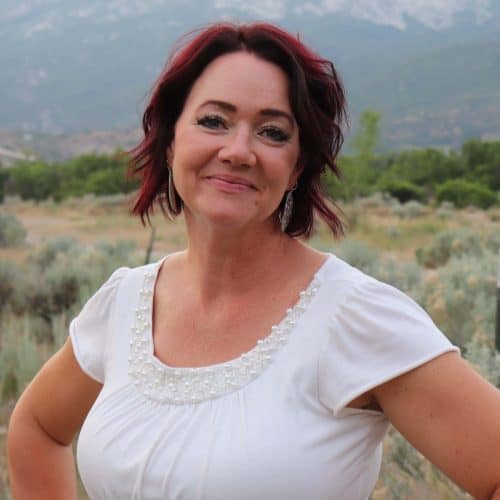
Tobie graduated from the University of Utah with degrees in Sociology and Political Science and a Certificate in Criminology. She is lucky enough to have an awesome husband, two amazing daughters and three crazy cats.
Tobie fell in love with traveling when she was 17 and backpacked through Europe and drove from Utah to Canada. During college she traveled to Mexico to participate in a study abroad program and after college she started traveling with her husband and daughters. In 2002 they spent 3 months backpacking through central Mexico and in 2013 they spent 12 days driving from Utah to Guatemala where they lived, worked, and volunteered. Tobie stays busy working as a birth and postpartum doula and running Be Humanitarian with Guatemalan Humanitarian Tours.
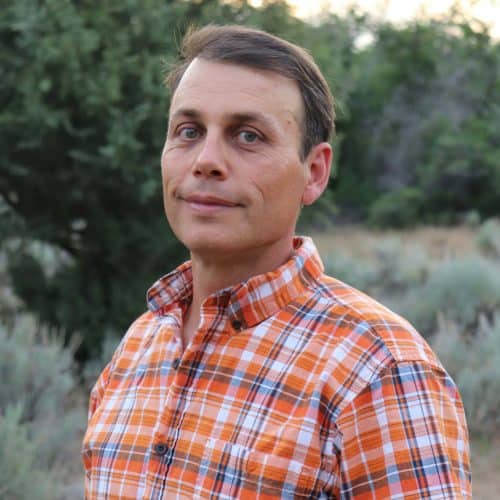
Darrin is a guru at everything he does. He is a Controller, RN and Contractor who pretty much loves solving problems and seeing the bigger picture. Darrin is an essential part of Be Humanitarian and graciously allows Tobie to spend their limited free time brainstorming ways to improve lives in Guatemala. Darrin is an awesome dad and goes to great lengths to keep a healthy supply of Guatemalan coffee on hand.
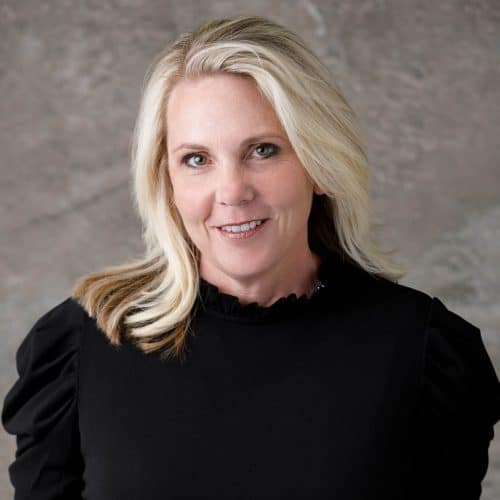
Dana is a small business attorney who has helped Be Humanitarian write contracts and stay in compliance. She has seen too many good business owners end up in bad situations because of common legal mistakes. She loves helping small businesses get their act together so they can focus on running their business. Dana writes a lot of contracts, sets up legal entities and spends a lot of time encouraging clients to care about their employer obligations. Outside of work, Dana has always loved traveling. She was 8 years old when she took her first trip abroad to Sweden with her parents. In high school, she lived in France as an exchange student. She has travelled all over and joined Tobie on a volunteer vacation. Dana’s experience traveling to Guatemala was heart wrenching and joyous at the same time and she's been a vital part of our success since.
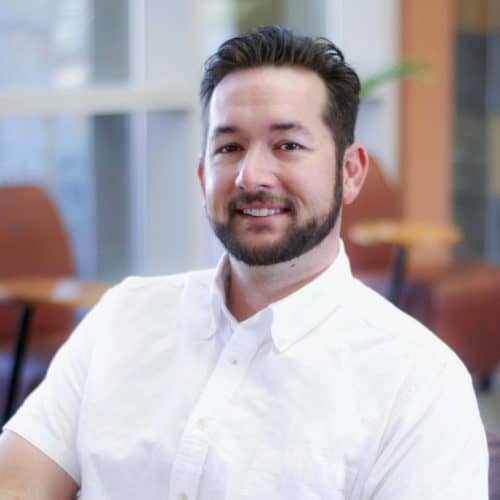
Based out of beautiful Costa Rica, William likes to consider himself an adventurer and entrepreneur. He takes pride in helping guide businesses with their marketing and web design needs and individuals who want more adventure out of life!

Shalair has lived in Utah all of her life. She and her husband Bob have 7 children together along with 26 grandchildren, who bring great joy to their lives. They love going to Lake Powell to boat and St. George to ride side by sides together. Bob has worked for Jones Excavating all of his life. His father started the company in 1947 after World War II. He was injured in an accident when Bob was only 20 years old and at that time he took over running the company. Bob hired Shalair to do their accounting and she has worked by his side for over 30 years. Shalair loves working with the youth in her church, scuba diving, traveling, reading, hiking, boating, swimming and gardening. In Shalair’s travels she joined Be Humanitarian on a service vacation and fell in love with the country, the people and the children who stole her heart. She has wanted to be involved in helping these families in Guatemala ever since she was introduced to them.
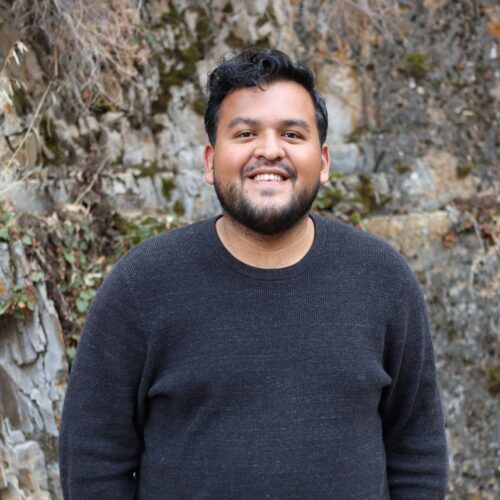
Born and raised in Chimaltenango, Guatemala, Esteban is a kind-hearted and dedicated medical doctor with a global perspective. As the first person in his family to complete university, he is deeply committed to breaking barriers and creating opportunities for others. He completed medical school in Guatemala City and has honed his skills through internships in Colombia, Chile, and the United States.
Driven by a commitment to equitable healthcare, Esteban worked for two years at a diabetes care clinic in Antigua, Guatemala, focusing on patient education and accessibility. Currently, he leads maternal-neonatal care initiatives at a nonprofit organization, collaborating closely with traditional midwives to improve health outcomes in rural Guatemala.
Beyond his professional achievements, he is a nature enthusiast, traveler, and yoga practitioner. Esteban also contributes to Be Humanitarian, delivering health workshops and innovative ideas. Guided by his mission to uplift others, he strives to create a healthier, more compassionate, and equitable world.

Carolina was born in Guatemala and has become a pillar of compassion and leadership within Be Humanitarian. When her oldest son joined our nutrition program in 2020, her natural leadership quickly stood out. Since 2022, she has become Tobie’s right hand, helping lead our efforts to support hundreds of children and families through nutrition, education, and sustainability initiatives. Her heart for service shines in everything she does, from food distribution to garden installations. Carolina’s care and dedication continue to uplift families and strengthen communities throughout Guatemala, and we would not be where we are today without her tireless commitment and love for the people we serve.