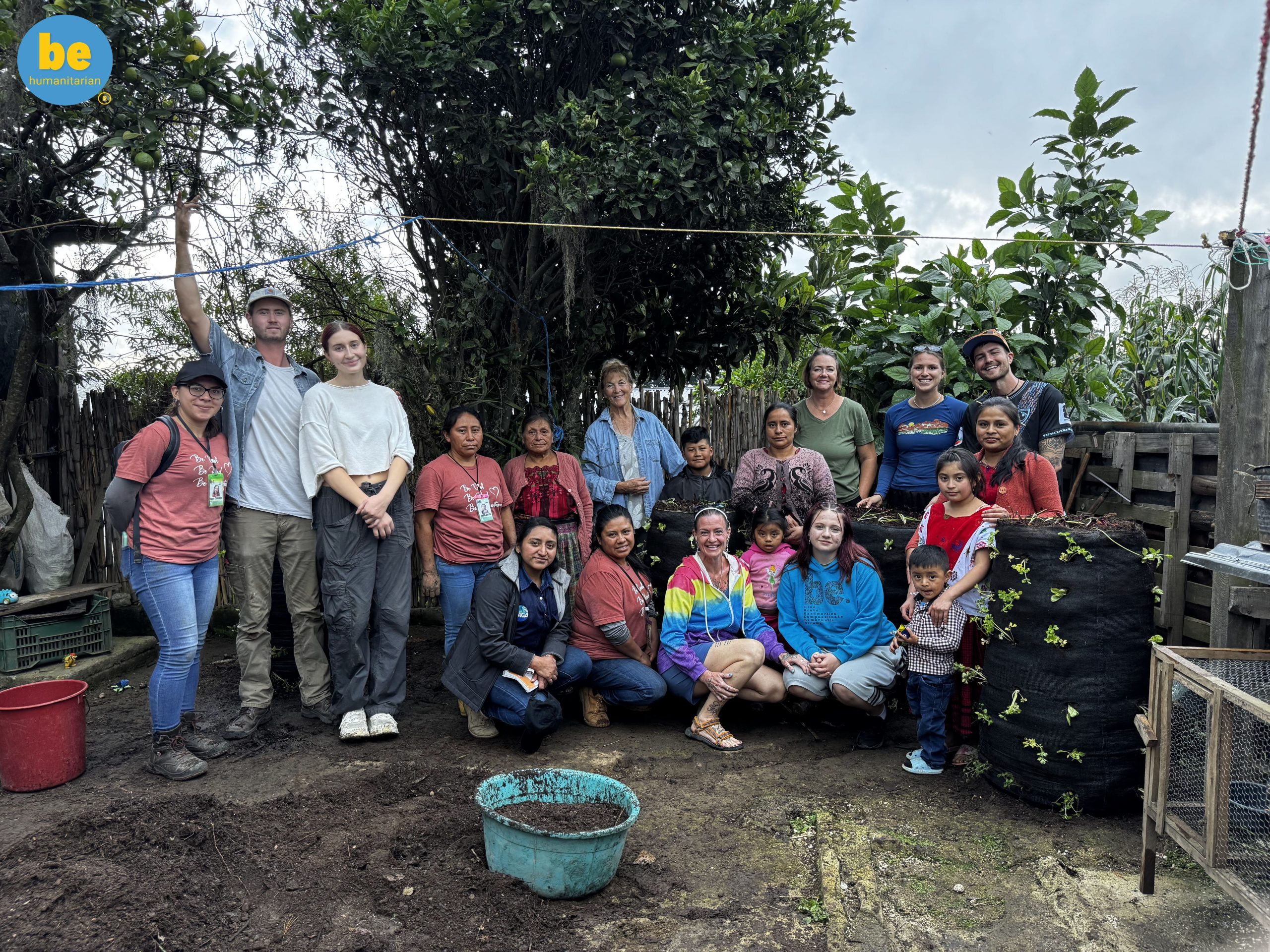
Volunteer in Guatemala with Be Humanitarian and help families in ways that matter. These 8 to 11-day trips take place near Lake Atitlán, where local Maya communities already run year-round programs. You may help plant crops, organize food supplies, work in community gardens, or visit homes with local staff.
Mornings start early here. Kids walk to school in the cold mountain air while families cook tortillas and coffee over wood stoves. The work is simple, but it helps people every day. You also get time to learn from local families and see daily life in rural Guatemala up close. Keep reading to learn more.
What Makes Ethical Guatemala Volunteer Vacations Different
Ethical volunteer trips focus on people, not tourist activities.
Be Humanitarian has worked with families near Lake Atitlán for years. The programs continue even when volunteers go home. Local staff members stay in the villages and work with families every day.
Volunteers do not arrive to start random projects. They join work already happening in the community. One day may start with breakfast for school children. Another day may include helping families in small gardens.
The work feels simple and real.
- Be Humanitarian works with local Maya communities year-round
- Volunteers help with school programs, meals, and family visits
- The trips focus on relationships instead of “tourism.”
Families know the local team well. Children remember volunteers who come back for another trip. People wave from roads and doorways when they recognize familiar faces.
That changes the feeling of the experience.
Is Volunteering In Guatemala Ethical, Or Just Voluntourism?
Ethical volunteering works best when local people guide the work, and relationships continue after the trip ends.
A lot of travelers talk about “voluntourism” online now. People on Reddit, blogs, and social media often question volunteer trips where visitors stay a few days, take photos with children, then disappear. Some programs help very little after the visitors leave.
That is why trust matters.
Be Humanitarian works differently. The organization has spent years building relationships with families and leaders in rural Guatemala. Volunteers support projects already requested by the community instead of projects built for tourists.
Most volunteer days feel busy but normal. Volunteers spend several hours each day helping local staff and families. Some mornings begin with organizing and distributing food supplies so families can prepare meals together in their own homes. Other mornings involve walking to homes with water filters or supplies.
Afternoons may include:
- Helping children practice English
- Working in gardens
- Reading in classrooms
- Playing soccer with the local community
- Visiting families homes
Good volunteer programs usually share a few things:
- Local leaders guide decisions
- Programs stay active all year
- Volunteers support real needs
- Family involvement is essential
- Relationships grow over time
- Support the local economy
As noted by the Journal of Sustainable Tourism
“The results demonstrate the importance of micro-sociological empirical studies of role identities and self-other relationships in volunteer tourism and contribute towards theory building as well. Positive views of the self and improved self-esteem emerged in the analysis.” – Journal of Sustainable Tourism
The strongest parts of the trip are often the quiet moments.
A parent pours coffee into small mugs during a home visit. Children laugh and play tag with volunteers. Everyone appreciates volunteers speaking Spanish, even just a few words. Locals walk beside volunteers through the hills while talking about school.
Those moments are not staged.
How Does Be Humanitarian Create Long-Term Community Impact?

Be Humanitarian supports food, education, and family programs that continue all year in local villages.
In San Andrés, the work keeps going after volunteer groups leave. Local teams stay there helping families every day through food support, school sponsorships, women’s programs, and community projects.
Children and families in rural Guatemala often face limited access to reliable food. Volunteers may help organize and distribute food supplies so families can prepare meals together in their own homes.
School support is a big part of the work. Volunteers may help children read books, practice English words, or work beside teachers during class activities. Some volunteers first discover these volunteer vacations in Guatemala while looking for meaningful ways to connect with local communities beyond traditional tourism.
The goal is not to impress visitors.
The goal is to help families in useful ways.
Key areas of support include:
- child sponsorship programs
- Food and nutrition sponsorship
- Education support
- Gardening projects
- Women’s work programs
- Community building projects
The relationships grow slowly over time. Families know and trust local staff members. Volunteers work beside community leaders instead of trying to lead everything themselves.
Children remember returning visitors from past years. Parents ask about volunteers who came before. Friendships can continue long after the trip ends.
Many volunteers remember the small things most.
A child practicing new English words during recess. A grandmother teaching someone how to make tortillas by hand. Walking home through narrow village roads while dogs bark in the distance.
Those moments feel human.
What Real Volunteer Work Looks Like In Guatemala
 Volunteers help with meals, school support, stove installs, water filters, and other family-centered projects.
The work starts early most mornings. Sunlight moves across the volcanoes around Lake Atitlán while volunteers prepare for the day. Many people join these humanitarian trips to experience community-centered work that continues long after volunteers return home.
A normal volunteer day may include:
- Bringing backpacks, books, and school supplies to families
- Helping install cleaner stoves inside homes
- Delivering water filters with local teams
- Helping with conversational English lessons
- Playing soccer and learning games with children
- Supporting gardening and nutrition projects
- Visiting families in sponsorship programs
After dinner, volunteers often sit together, talk about the day, and get ready for tomorrow’s work. The projects feel meaningful because local leaders have already asked for the support.
One afternoon may involve carrying supplies uphill beside local children while practicing Spanish words together. Another may mean helping children learn colors and numbers while younger brothers and sisters smile through classroom windows.
The trip also includes one guided day in Antigua Guatemala, known for its old streets and historic buildings. Most volunteer work still happens in San Andrés, near Lake Atitlán, where local relationships continue year after year.
Because the village sits at approximately 6,400 feet (1,950 meters) above sea level, older travelers and people with heart or breathing conditions should speak with a doctor before traveling. Be Humanitarian has had many volunteers over 70 years old who have had no problems with the altitude, and the program includes experienced guides and access to nearby medical clinics for added support.
What Do Most Short-Term Volunteers Get Wrong?
Many first-time volunteers arrive thinking they need to “save” people. That mindset often creates problems instead of helping.
Across YouTube, Reddit, and travel blogs, experienced volunteers often repeat the same advice: listen first.
Some people expect huge changes after only a few days. Others think they will lead projects right away or fix major problems on their own. Real community work does not happen that fast. Trust takes time. Local leaders already know what their community needs.
Language can also surprise visitors. Even simple Spanish helps during school visits, family conversations, and daily activities. Volunteers who stay open, patient, and willing to learn can connect more deeply with families.
Common mistakes include:
- Treating villages like tourist photo stops
- Expecting praise instead of teamwork
- Ignoring local leaders and customs
- Acting like volunteers should control projects
- Posting photos of children online without care or context
- Forgetting how important long-term support can be
Research from PubMed Central (PMC) shows
“The findings confirm the importance for STMMs [short-term missions] of understanding the local health context and language and working collaboratively and respectfully with hosts. Direction by host country researchers enhanced the value in several ways, including access to officials and establishment of trust with interviewees.” – PubMed Central (PMC)
The best moments are often small ones. A grandmother laughing while teaching someone how to make tortillas. Kids yelling English words during a soccer game. Parents talking about their hopes for their children’s future.
Be Humanitarian spends time preparing volunteers before the trip and during the experience. Local staff explain community expectations, safety rules, and respectful behavior. Volunteers join work already happening instead of replacing local workers or creating dependence.
That approach makes the experience feel honest, personal, and grounded in real relationships.
Why Guatemala Creates A Powerful Volunteer Experience
Credits: Be Humanitarian
Guatemala brings together deep community needs, strong culture, and real opportunities to build lasting relationships.
The setting leaves a strong impression right away. Tall volcanoes rise above Lake Atitlán. Market streets fill with woven blankets, fresh fruit, and voices speaking both Spanish and Maya languages.
In San Andrés, volunteers see daily life outside tourist areas. Children walk mountain roads to school carrying notebooks under their sweaters. Families welcome visitors into kitchens filled with the smell of tortillas and wood smoke. Conversations happen slowly in small courtyards lined with flowers and hanging laundry.
The area around Lake Atitlán also has deep Maya history. Many local families have protected their traditions for generations. Through simple daily moments, volunteers learn more about family life, hard work, and community support.
Many volunteers remember moments like these most clearly:
- Experiencing ethical volunteer vacations that focus on long-term relationships with local families
- Hearing children proudly practice English words
- Sharing meals inside family homes
- Walking through colorful local markets
- Hiking near the volcanoes around the lake
- Visiting Maya cultural sites
This kind of travel feels slower than normal tourism. People stop thinking about checklists and attractions. They start paying attention to conversations, names, routines, and friendships.
For many volunteers, that becomes the part they remember longest.
How Ethical Volunteer Vacations Build Relationships Instead Of Photo Ops
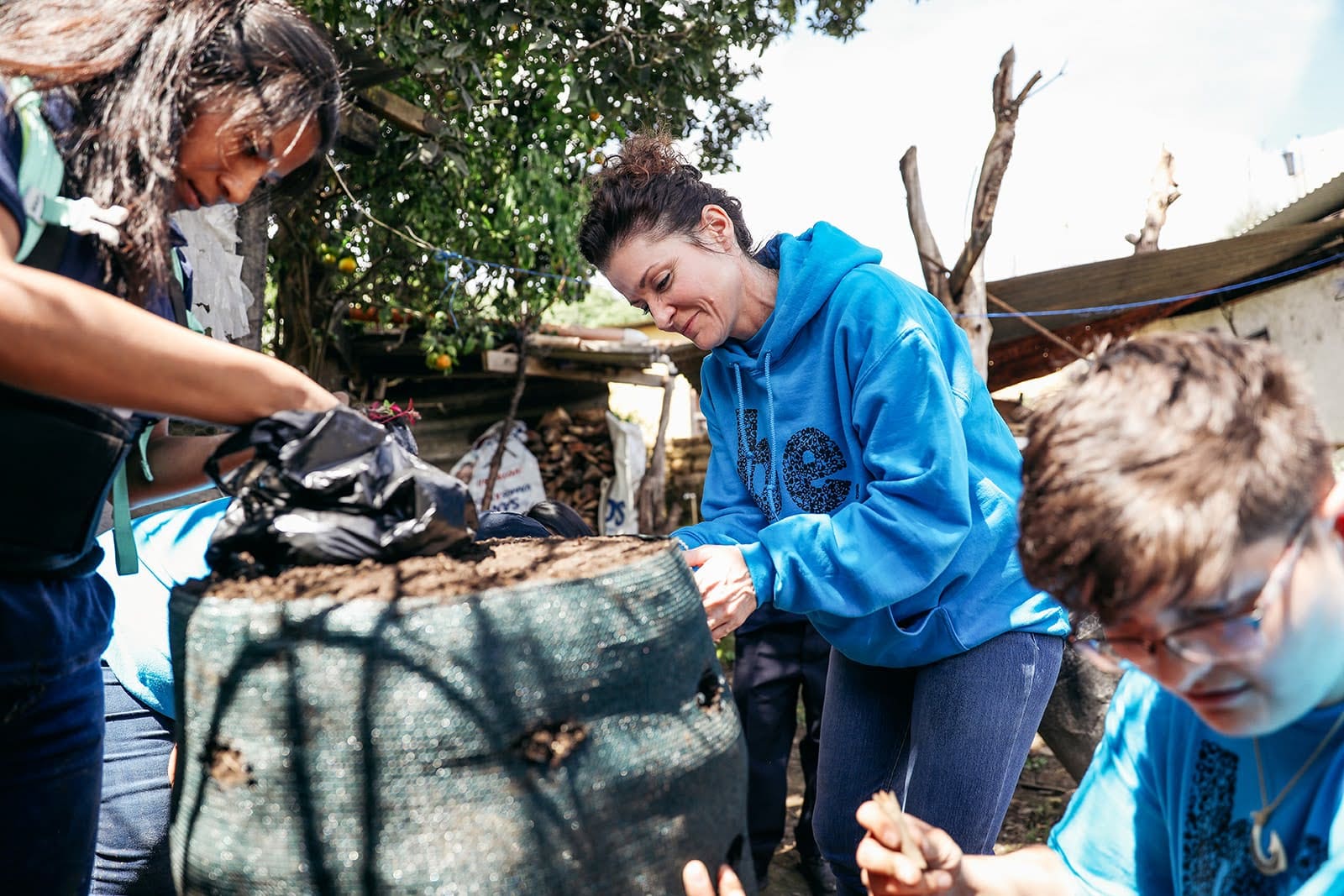 Ethical volunteer programs focus on people and long-term relationships, not quick photos or short visits.
Many volunteers return to Guatemala again because the relationships stay strong after the trip ends.
With Be Humanitarian, a sponsored child becomes a real person, not a number on a page. Sponsors meet families, visit schools, and see how education support changes daily life. Parents talk about their dreams for their children. Students proudly share school updates. Younger children run up smiling when they recognize returning volunteers from past trips.
These connections grow slowly over time.
Many volunteers stay involved after going home. Some follow sponsorship updates. Others help through fundraising, ambassador programs, or future volunteer trips. Retirees sometimes sponsor more than one child after building close relationships with families. Business owners may help support school supplies, meal programs, or family projects.
Trust matters too. Travelers want to understand where donations go and how programs work. Ethical volunteer programs build trust through honest communication, local leadership, and community involvement.
That changes the feeling of the trip. Volunteers stop feeling like visitors helping strangers. They become part of a larger story built around education, food support, and opportunity.
The experience feels more like a partnership than tourism.
Are Ethical Guatemala Volunteer Vacations Worth It For Retirees, Professionals, And Companies?
Ethical volunteer trips give retirees, professionals, and businesses a way to travel with purpose while supporting real community work.
Many people joining Be Humanitarian trips have already spent years working, raising families, or running businesses. Now they want travel that feels more personal and meaningful. Some families also choose humanitarian trips for families so parents and children can experience community service together.
Retired volunteers often bring patience, life experience, and mentorship skills that help support children and families. The organization has welcomed volunteers of all ages, including seniors over 70 years old who worked beside younger travelers during the trip.
Professionals often help through organization, education support, leadership, fundraising, or logistics experience. Some business owners and companies continue helping after the trip through sponsorships and community support programs.
| Audience | Main Benefit | Example Impact |
| Retirees | Purpose-driven travel | Child sponsorship and mentorship |
| Professionals | Skill-based support | Education and logistics assistance |
| Companies | Team engagement | Corporate sponsorship programs |
The guided structure also helps older travelers feel more comfortable.
- Trips are led by Be Humanitarian founder Tobie Spears and experienced local teams
- Clinics and medical support are nearby if needed
- Group transportation and organized schedules help volunteers stay connected
- Reflection time allows volunteers to talk through the experience together
- Community partnerships already exist before volunteers arrive
Because the region sits at 6,400 feet (1,950 meters) above sea level, older travelers and people with breathing or heart conditions should prepare carefully and speak with a doctor before the trip.
For many volunteers, the experience does not end after one visit. It often turns into years of friendships, sponsorship, and ongoing support for local families.
FAQ
How do ethical volunteering trips support the local community?
Ethical volunteering trips support the local community by funding projects chosen by local leaders and local teams. Volunteers may help with teaching English, community development, public health programs, or conservation efforts.
Ethical volunteering also protects indigenous cultures by respecting local customs and traditions. Strong volunteer organization groups focus on long-term community work that gives families, schools, and local programs steady support over time.
Are Guatemala volunteer opportunities suitable for senior volunteers?
Yes, many Guatemala volunteer opportunities are suitable for senior volunteers because the work is flexible and meaningful. Volunteers may teach conversational English, support all school subjects, or help with organic farming projects.
Some people also join reforestation efforts or animal welfare programs. Many volunteer abroad programs near Lake Atitlán also include cultural immersion activities with indigenous Maya communities and local families.
What should volunteers expect from medical volunteer programs?
Medical volunteer programs should follow ethical standards that protect both volunteers and local patients. Good programs focus on education, preventive care, health equity, infectious disease education, and medical support supervised by trained professionals.
Some placements also include community dental outreach, eye exams, and community oral health challenges. Ethical clinical observation and clinical shadowing allow volunteers to learn safely while providing direct medical care during Medical mission trips.
Why do volunteer abroad programs charge program fees?
Volunteer abroad programs charge program fees to cover important daily costs such as housing, meals, transportation, and local staff support. Many fees help fund community projects, conservation efforts, and school programs.
Ethical volunteering groups plan their overhead costs clearly before volunteer trips begin. Volunteers should compare volunteer abroad opportunities carefully and choose programs that support sustainable international volunteering and strong community-based partnerships in Guatemala.
Can volunteering abroad include conservation work and cultural experiences?
Yes, volunteering abroad can include both conservation work and cultural experiences. Volunteers may join wildlife conservation projects, animal protection programs, or conservation volunteer program activities that support local ecosystems.
Be Humanitarian has spent years working closely to support turtle conservation at the Guatemalan coast and has paid for dozens and dozens of cats and dogs to be sterilized to reduce the number of animals being born without homes.
Volunteers also visit Maya Ruins, learn about cultural sensitivity, and enjoy local cuisine during reflection sessions with local families. These volunteer travel opportunities help people understand local traditions while supporting responsible community and conservation efforts.
Why Ethical Guatemala Volunteer Vacations Leave a Lasting Impact
Some trips fade fast, but Guatemala stays with you. You see kids laughing after school, families working hard, and local teams helping every day. In San Andrés near Lake Atitlán, volunteers become part of something real. The work feels personal because families lead the change, not outside visitors. That’s what makes the experience stick with you long after you leave.
Ethical Guatemala Volunteer Vacations with Be Humanitarian help people support education, nutrition, and family growth in a real way. The trip may only last a few days, but many friendships last for years. Learn how you can help through volunteering, child sponsorship, or partnership programs.
References
- https://www.tandfonline.com/doi/abs/10.1080/09669582.2021.1888112
- https://pmc.ncbi.nlm.nih.gov/articles/PMC12857627/
Related Articles
- https://behumanitarian.org/blog/humanitarian-trips-to-guatemala/
- https://behumanitarian.org/blog/ethical-volunteer-vacations-in-guatemala/
- https://behumanitarian.org/blog/humanitarian-trips-for-families/
One Comment