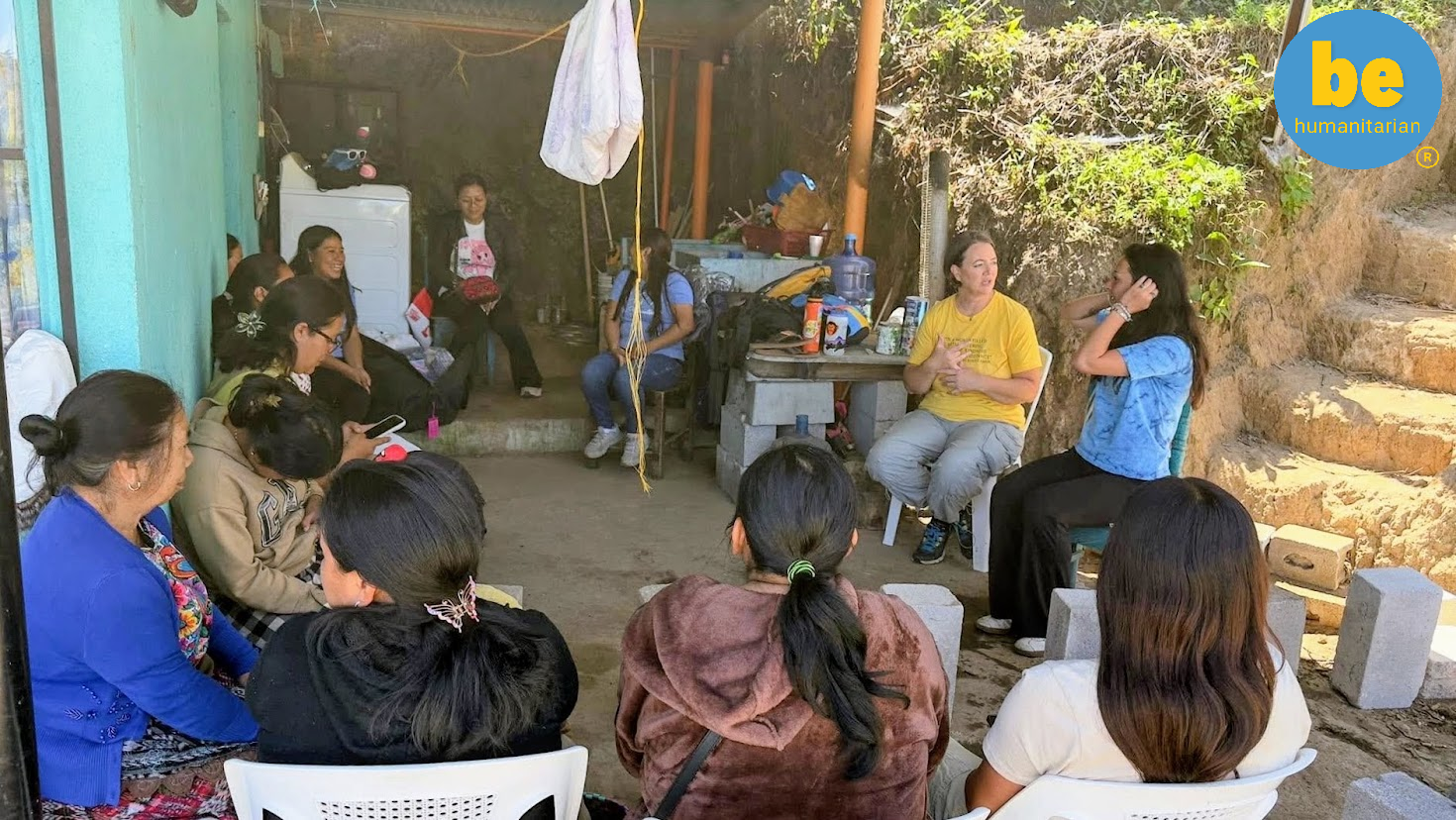
Good intentions alone won’t fix generational poverty. We saw that the moment we stepped off the bus in rural Guatemala. We can help, but we also need to know when to step back. Local leaders know what their communities need and where support can do the most good. So rather than arriving with our own answers, we can listen, follow their direction, and put our time or funding where it’s needed. No grand gestures. Meaningful travel starts with respect and a willingness to listen. Keep reading to see how we can make our travels more thoughtful.
What Volunteer Trips Can Change
A short volunteer trip cannot solve poverty, but it can support local programs with time, money, and practical help. In rural Guatemala, the lasting value comes from work that communities can continue using after volunteers leave.
- Support preschool nutrition
- Help with home gardens
- Add books and school supplies
- Assist with English activities
- Support household water-filter projects and other community needs
The key is not how much gets done in one week. It is whether the local team can keep using the support long after the volunteer goes home.
What Challenges Do Rural Guatemalan Communities Face?
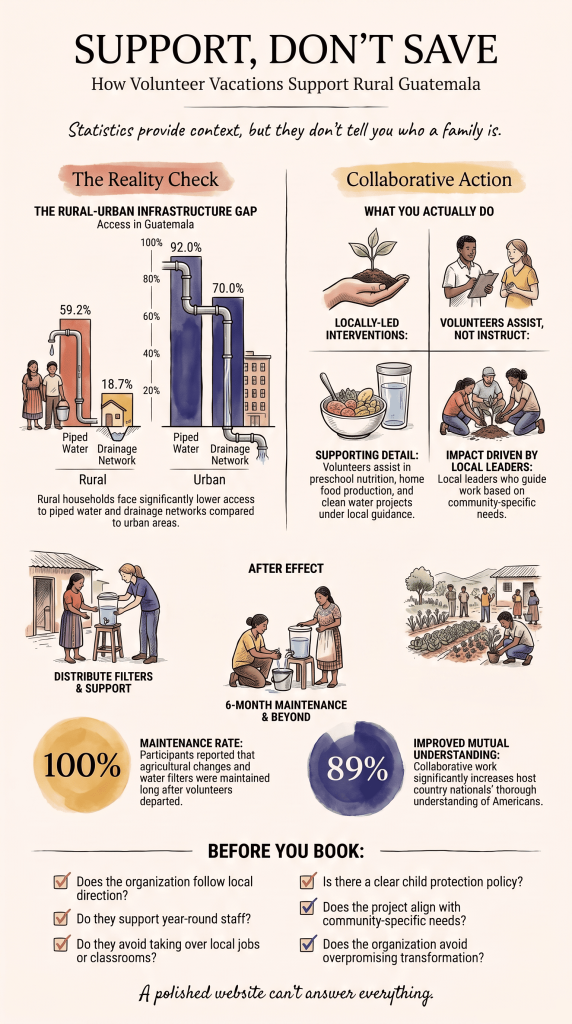
Rural and Indigenous communities in Guatemala face interconnected nutrition, water, sanitation, and education challenges. UNICEF reported that 59.2% of rural households had access to piped water and 18.7% had access to a drainage network in 2023.
Food is only part of the issue. Health, sanitation, early childhood care, and access to services can also affect a child’s well-being.
And Guatemala isn’t one single community. Guatemala is culturally and linguistically diverse. Travelers should ask local coordinators about language preferences and use interpreters when needed in homes and communities.
That matters.
A project that looks useful to a visitor may not be the right fit for a family. Local coordinators know those needs better. Volunteers should listen before they act.
Responsible volunteer work may support:
- Nutrition for young children
- School and literacy needs
- Clean water at home
- Safer cooking conditions
- Family support
Statistics give useful context. They don’t tell you who a family is.
People are people.
How Can Volunteers Support Nutrition And Food Security?
Indigenous community leaders direct all village nutrition initiatives, while international volunteers supply physical assistance and material funding.
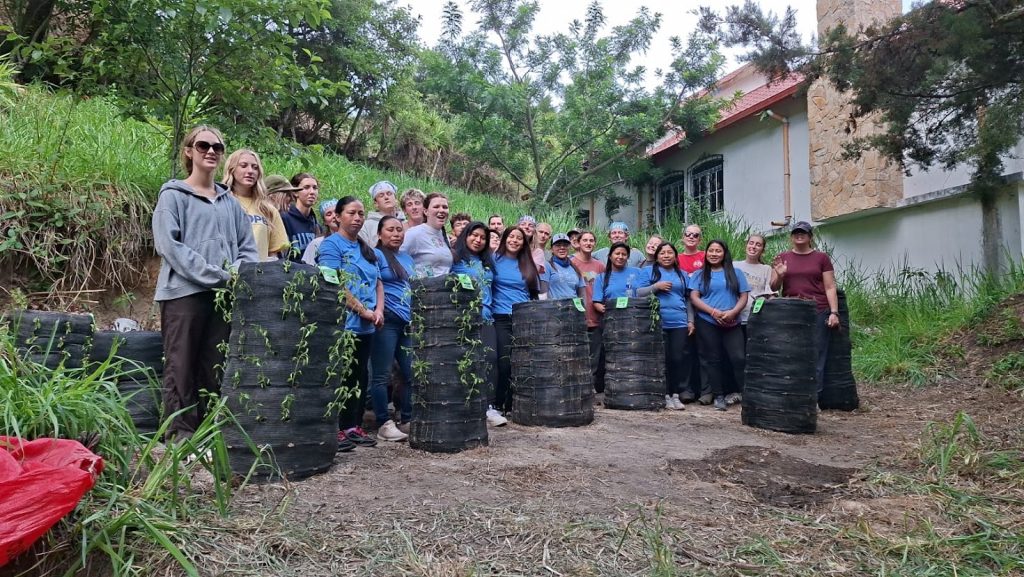
At Be Humanitarian, activities can include preparing and serving preschool meals. Volunteers may also help with garden towers, which Be Humanitarian lists among its volunteer activities. These projects are intended to support household food production, with long-term usefulness depending on local preferences, materials, care, and follow-up.
The task itself isn’t the whole story. A garden has more value when a family can keep using it. A meal program matters because it is part of ongoing work, not because visitors helped for one morning. This is why understanding what impact Guatemala volunteers make requires looking at what remains useful after the volunteer trip ends.
UNICEF also connects child nutrition with health, water, sanitation, and early childhood development. So volunteer projects make more sense when they fit into wider community efforts.
| Volunteer Activity | Possible Benefit |
| Preschool meals | Nutrition support |
| Garden towers | Home food production |
| Water filters | Potential support for safer drinking water when filters are appropriate, maintained, and used consistently |
| Project materials | Continued local work |
Get involved where the local team needs help.
That may mean doing hands-on work. It may also mean helping provide materials that local workers can use after the trip.
When evaluating a program’s real-world footprint, tracking raw volunteer hours or completed builds matters far less than observing post-departure sustainability—such as whether a family continues harvesting native crops from their garden tower six months after the group returns home.
How Can Volunteer Vacations Support Education?
 Education support doesn’t need to be complicated.
Be Humanitarian says volunteers may help deliver educational materials, practice English, and join supervised games or soccer activities. Volunteers should support, not replace, local teachers and staff.
Inside the classroom, foreign volunteers function exclusively as teacher’s aides rather than primary instructors, honoring the local educator’s native language command and national curriculum standards while assisting with small-group literacy exercises.
In a 2010 Peace Corps Guatemala study of its Sustainable Agriculture Project, 89% of surveyed counterparts and beneficiaries reported a moderate or thorough understanding of Americans after interacting with Peace Corps volunteers.
This finding reflects that study’s 90 surveyed counterparts and beneficiaries; it does not measure the impact of short volunteer vacations or Be Humanitarian trips.
Research from EBSCOhost shows
“a journey that bred feelings of nervousness and fear, but positive views of the self and improved self-esteem emerged in the analysis” –EBSCOhost
That doesn’t mean every trip creates the same result. Still, it shows that service can create room for cultural exchange.
An English activity may last an hour. The conversation can last much longer in a child’s memory.
And volunteers learn, too.
Why Does Local Leadership Matter?
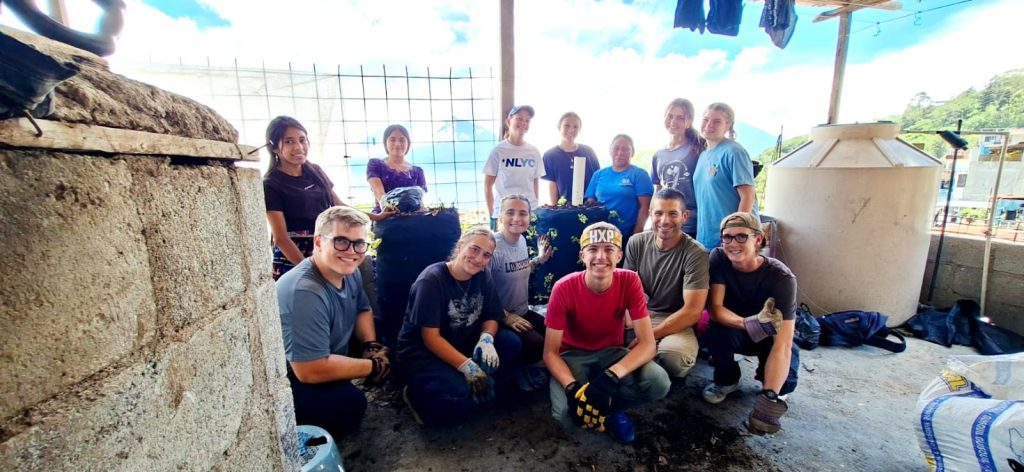 Local leadership can help keep volunteer work aligned with community priorities. Be Humanitarian says its communities choose projects, local leaders guide the work, and volunteers support existing programs.
That’s important because local people understand their own communities better than short-term visitors can.
Insights from Semantic Scholar
“sought to develop globally oriented market knowledge using voluntourists as consultants while protecting their own expertise from tourists as potential competitors” –Semantic Scholar
Before booking a trip, ask:
- Who chooses the projects?
- Who supervises volunteers?
- Who works there year-round?
- How are local workers paid?
- What happens after visitors leave?
- How are children protected?
Ask before you book.
A polished website can’t answer everything. Local knowledge should guide the work. Volunteers bring time, energy, skills, and support. Community members bring knowledge of their homes, schools, families, and neighborhoods.
That balance matters.
Can A Short Volunteer Trip Have A Lasting Effect?
 A typical Be Humanitarian trip lasts about 8 to 11 days, with around 5 to 7 hours of volunteer activity on many service days, according to the organization. The rest of the day can include meals, conversation, rest, and time around Lake Atitlán.
Travelers interested in combining service with cultural experiences can travel with us as part of a volunteer vacation in Guatemala.
So the trip isn’t only sightseeing with a service activity added at the end.
Service is part of the trip.
A volunteer might help with a garden project one day, support preschool meals the next, then assist with school supplies or water projects. Each task may look small on its own.
The value comes from the larger program and its potential for sustainable Guatemala volunteer impact beyond the days spent in the community.
What Does Responsible Volunteering Look Like?
Responsible volunteering puts community needs ahead of the visitor’s experience.
It also respects the limits of short-term service. A visitor shouldn’t promise to transform a village in eight days. That isn’t realistic.
A better promise is narrower: show up, help with useful work, learn from local people, and support a program that continues after the trip. Choosing ethical volunteer trips means looking for this kind of community-focused approach.
That can mean:
- Follow local direction
- Respect professional roles
- Protect children’s privacy
- Ask before taking photos, follow the organization’s consent rules, and do not share names, locations, or personal stories without permission.
- Avoid work beyond your skills
- Support ongoing projects
And remember the difference between helping and taking over.
A local teacher doesn’t need a visitor to become the classroom leader. A local worker doesn’t need an unpaid replacement. A family doesn’t need someone from another country telling them what their home should look like.
They need support that fits.
What Can Volunteers Do After Returning Home?
 The trip doesn’t have to end when the plane lands.
If you choose to transition from a short-term visit to long-term child sponsorship, verify that the organization provides an itemized breakdown of fund allocation, ensuring donations directly subsidize local school fees, uniform purchases, and clinical healthcare rather than middleman administrative overhead. Before enrolling, ask how funds are allocated, what services are available locally, and how the organization protects children’s privacy and dignity.
Child sponsorship should still be handled with care. Children shouldn’t become fundraising props. Look for programs that explain how support connects to education, nutrition, family stability, or other ongoing needs.
Returning travelers may ask the organization about future volunteering, recurring donations, or skills-based support that fits locally identified needs.
Different people can contribute in different ways, including sponsorship donations that support ongoing community needs.
That’s the point.
How Can Travelers Judge A Volunteer Program?
Look past the activity list.
A program with ten projects isn’t automatically better than one with three. Ask what those projects do, who leads them, and what happens later.
| Question | What To Look For |
| Who chooses projects? | Local input |
| Who runs the work? | Local leadership |
| What happens later? | Ongoing programs |
| How are children protected? | Look for a written safeguarding policy, staff supervision, consent procedures for photos and visits, reporting routes, and clear boundaries for volunteer contact with children. |
| How is support used? | Clear information |
It also helps to separate activities from results.
Distributing 100 water filters is an output. Families using and maintaining them correctly over time is an outcome. A documented reduction in unsafe-water exposure or illness would have a longer-term impact. Giving books to a school is an activity. Children having continued access to those books is closer to a lasting benefit.
Volunteer hours are useful to track. They aren’t proof of impact by themselves.
Most people miss that part.
How a Volunteer Vacation Changed Logan’s View of Happiness
Credits: Be Humanitarian
A volunteer vacation in Guatemala is more than just a trip, it’s an experience that changes how you see life.
Logan, a participant in Be Humanitarian’s program, shared how he learned that happiness doesn’t depend on money or possessions. Despite having very little, the people he met were warm, welcoming, and full of kindness. Everywhere he went, strangers greeted him with smiles.
During his stay, Logan took part in real community work: delivering meals to families in need, planting community gardens, and handing out books and school supplies. He also played soccer with local children on the streets and hiked a volcano, something he had never done before.
For Logan, the volunteer vacation was a chance to learn about Guatemalan life firsthand while still having fun. The program showed him that by serving others, volunteers can make a positive impact on the community and grow as individuals..
FAQ
What should I look for in ethical volunteering Guatemala programs?
Look for volunteer programs Guatemala that involve local communities in planning, decision-making, and project evaluation. Ethical volunteering Guatemala programs should address needs identified by residents rather than imposing outside solutions. Before joining, ask who manages the project, how funds are used, and what happens after volunteers leave. These details help ensure that Guatemala volunteer travel supports lasting community development.
How can volunteer tourism Guatemala support local businesses?
Volunteer tourism Guatemala can support the local economy when visitors spend money at locally owned businesses. Volunteers can stay at local accommodations, eat at community restaurants, hire local guides, and purchase locally made products. This approach allows tourism revenue to reach rural communities and supports local employment. It can also strengthen rural livelihoods when tourism remains connected to community needs.
How does cultural immersion Guatemala help volunteers understand local communities?
Cultural immersion Guatemala allows volunteers to learn directly from local communities Guatemala instead of relying on assumptions about rural life. Volunteers can learn about Maya culture Guatemala, participate respectfully in daily activities, and listen to residents discuss their experiences. This cultural exchange Guatemala can improve cross-cultural understanding while encouraging more respectful relationships between international volunteers and host communities.
What are the main challenges of voluntourism in Guatemala?
The challenges of voluntourism include short-term projects, inadequate planning, and unintended consequences of volunteering. Volunteers may create problems when projects do not reflect local priorities or when they perform work that residents could do themselves. Responsible volunteering abroad requires meaningful community participation, clear project goals, and appropriate skills. Volunteers should also understand that good intentions do not automatically create positive results.
How can sustainable volunteering create long-term community impact?
Sustainable volunteering can create long-term community impact when projects strengthen local leadership and existing community initiatives. Skills-based volunteering Guatemala can support capacity building Guatemala when volunteers provide knowledge that residents can continue using independently. Successful projects should also promote community empowerment and resilience. This approach helps communities maintain development efforts after international volunteers leave rather than relying on continued outside assistance.
What Should Travelers Remember?
A volunteer vacation can make a real difference when it supports work local people already value. Near Lake Atitlán, Be Humanitarian connects volunteers with projects focused on nutrition, education, gardening, water filters, children, and family support, while giving travelers a chance to learn about local life. The biggest impact may come after you leave. That’s the reality.
Responsible volunteering isn’t about arriving to save people. It’s about listening, respecting local leadership, and supporting work that can continue after the trip ends. If you’re considering a volunteer vacation in Guatemala, Be Humanitarian offers a practical way to get involved, including volunteer trips and a child-sponsorship program.
References
- https://openurl.ebsco.com/EPDB%3Agcd%3A13%3A38324813/detailv2?sid=ebsco%3Aebsco.com%3ARS&id=ebsco%3Adoi%3A10.1080%2F09669582.2021.1888112&bquery=Volunteer%20Tourism&page=1&link_origin=https%3A%2F%2Fwww.ebsco.com&crl=f
- https://www.semanticscholar.org/paper/The-limits-of-cosmopolitanism%3A-exchanges-of-in-a-Nelson/dc803f9144db1c9fbc9b2a52f76e8bcfa1ea5d02#1
Related Articles
- https://behumanitarian.org/blog/what-impact-do-guatemala-volunteers-make/
- https://behumanitarian.org/sponsorship-donations/
- https://behumanitarian.org/travel-with-us-2/
- https://behumanitarian.org/blog/volunteer-vacation-impact-in-guatemala-2/
- https://behumanitarian.org/blog/book-ethical-volunteer-trips-in-guatemala/