Family Volunteer Vacations in Guatemala: What to Actually Expect
Summary
Who this is for: Parents weighing a family volunteer vacation who want a real answer on cost, safety, and what the week actually looks like — not just an emotional pitch.
Key takeaways:
- Family volunteer vacations to Guatemala with Be Humanitarian run $2,195–$2,695 per person, all-inclusive of lodging, meals, and service activities.
- Trips are built around hands-on work families do together — building vertical garden towers, visiting the preschool and sponsorship program, and supporting the women’s sewing center.
- Most trips welcome kids as young as 8, though the right age depends on the specific trip and each child’s temperament.
- Be Humanitarian is a 501(c)(3) with a Candid Seal of Transparency, so families can verify exactly where their trip cost and donations go.
- Cultural stops — Antigua’s colonial streets, Lake Atitlán, a Pacific Coast turtle release — balance the service work so it doesn’t feel like a workcamp.
What’s inside:
- What makes a Guatemala trip different for families
- What a family volunteer vacation actually costs
- What your family will actually do, day to day
- Is my family the right fit?
- Safety, health, and peace of mind for parents
- What sets Be Humanitarian apart
Most “family volunteer vacation” articles read like brochures — six countries, a few adjectives, and no real answer to the two questions every parent actually has: what does this cost, and is it safe for my kids? If you’re looking at a family volunteer vacation to Guatemala, here’s the version with the details left in.
What Makes a Guatemala Trip Different for Families
Guatemala sits close enough to the U.S. for a manageable flight, but far enough to feel like a genuine departure from ordinary life — which is exactly the point of a family volunteer vacation. Be Humanitarian’s trips are built around the town of Pleasant Grove’s sister-community relationships in rural Guatemala, so families aren’t dropped into a generic “volunteer tour.” They’re working alongside the same families, teachers, and artisans the organization has partnered with for years.
That continuity matters for families specifically. Kids and parents aren’t just observing poverty from a bus window — they’re building something (literally, in the case of the vertical garden towers), delivering meals, and spending unstructured time with local children through the preschool and sponsorship program. It’s the difference between a service trip and a service vacation: real contribution, paired with real rest and connection as a family.
What a Family Volunteer Vacation Actually Costs
Transparency on price is where most competitor guides fall short, so here it is directly. Be Humanitarian’s trips currently run from $2,195 to $2,695 per person, depending on the season and specific itinerary (Semana Santa, the Flower Festival and Turtle Release, Day of the Dead, and the Journey With Purpose trip each have slightly different pricing and dates).
What’s Included
That price covers lodging, in-country meals, ground transportation, service project materials, and on-the-ground staff support for the full 8–11 day trip. Flights to Guatemala are booked separately.
The Tax Question
Because Be Humanitarian is a registered 501(c)(3) nonprofit, a portion of your trip cost may be tax-deductible as a charitable contribution. The deductible amount depends on the fair market value of the goods and services you receive versus what you pay, so this is one to run past your own CPA or tax advisor before you file — but it’s worth asking about, since it can meaningfully offset the real cost of the trip for your family.
What Your Family Will Actually Do, Day to Day
Vague itineraries are the single biggest gap in most “family volunteer vacation” content online — competitor guides mention “downtime” and “community time” without saying what that means. Here’s what a Be Humanitarian week actually includes:
- Hands-on service: Building and delivering vertical garden towers that give families a sustainable source of fresh vegetables long after your trip ends.
- Preschool and sponsorship visits: Spending time with the children in Be Humanitarian’s preschool and sponsorship programs — reading, playing, and helping with meals.
- The sewing center: Meeting the women employed making garden towers and artisan bags, and learning firsthand how the program creates sustainable local jobs.
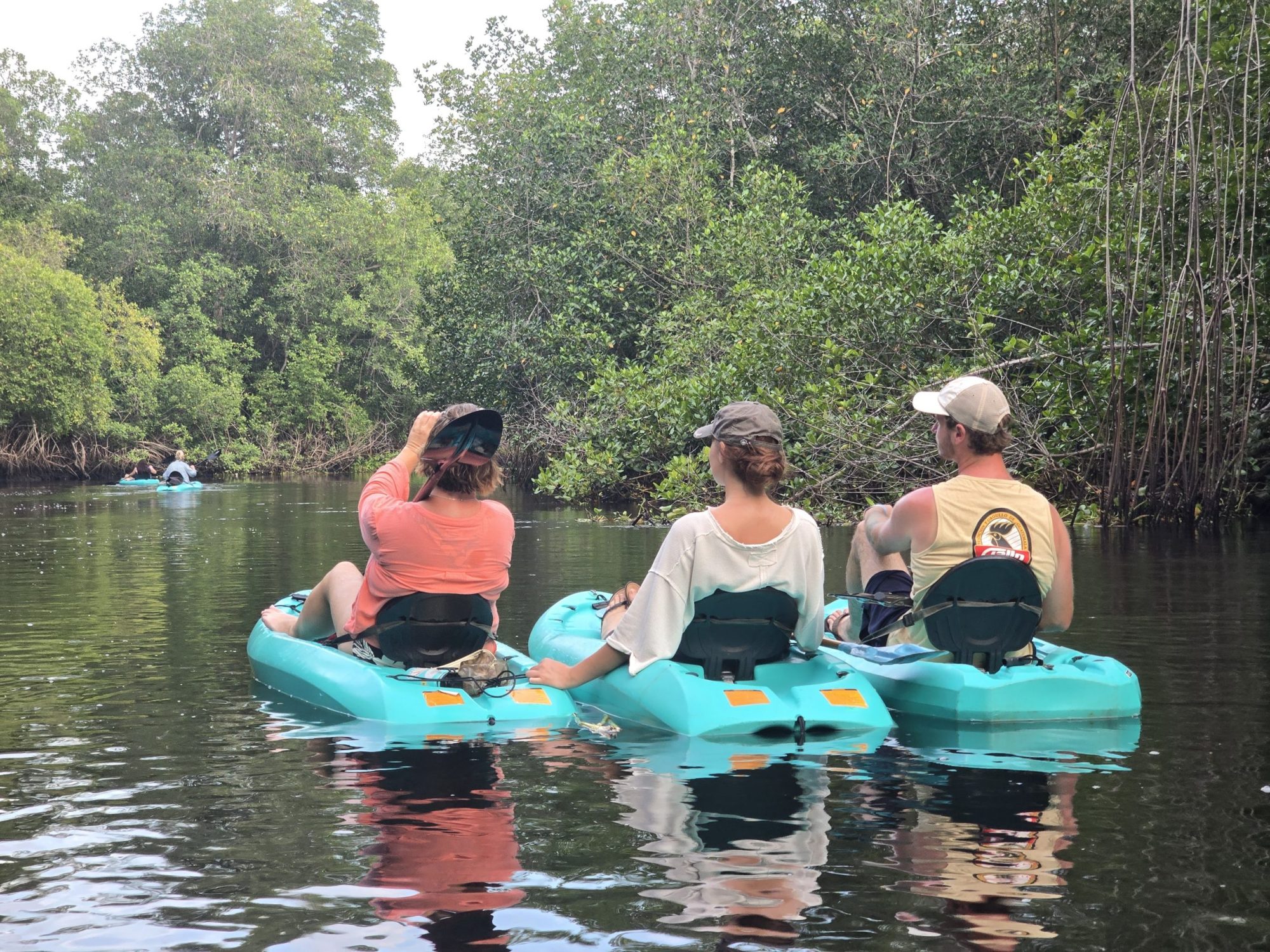
- Cultural immersion days: Exploring Antigua’s colonial architecture, boating across Lake Atitlán, and — depending on the trip dates — releasing baby sea turtles on the Pacific Coast.
- Family downtime: Built-in time to process the experience together, without a packed schedule every waking hour.
The mix is intentional. A week of nonstop service work burns families out; a week of pure sightseeing misses the point. Be Humanitarian’s itineraries alternate between the two.
Is My Family the Right Fit?
Most volunteer vacation organizations set a minimum age around 8, and that’s a reasonable baseline here too — younger children generally get more out of the trip once they can participate directly in age-appropriate service tasks and remember the experience afterward. That said, the right minimum age depends on your specific child and the specific trip: a turtle release day is a very different physical and emotional experience than a full afternoon at the sewing center.
Families considering a trip should also think honestly about group dynamics. Trips work well for:
- Parents with kids roughly ages 8 and up who want a shared, hands-on experience rather than a passive family vacation.
- Multi-generational families traveling with grandparents, aunts, uncles, or cousins.
- Families who’ve traveled internationally before, though prior international travel isn’t required.
If you’re unsure whether your family’s ages or needs are a fit for a specific trip date, reach out directly — the team can walk you through which itinerary makes the most sense.
Safety, Health, and Peace of Mind for Parents
Safety is the question parents ask first and the one most volunteer-vacation content answers last, if at all. A few specifics worth knowing before you book:
Be Humanitarian’s Guatemala programming runs through established, long-term local partnerships rather than one-off arrangements, which means the on-the-ground team knows the communities, the routes, and the logistics well. Before any international trip, it’s worth checking the CDC’s current travel health guidance for Guatemala, which covers recommended vaccinations and health precautions specific to the region — this is standard practice for any family trip abroad, not a red flag specific to volunteer travel.
Research on family travel more broadly backs up what most parents intuit: shared, effortful experiences — not just relaxing ones — tend to produce the strongest family memories and the most lasting shifts in kids’ perspective. A structured, supported service trip gives families that kind of experience without the logistics falling entirely on the parents.
What Sets Be Humanitarian Apart
There’s no shortage of organizations selling “family volunteer vacations.” What’s harder to find is transparency about where the money actually goes. Be Humanitarian holds a Candid Seal of Transparency, which means your family can look up exactly how the organization reports on its programs and finances before you commit a trip cost or a donation.
The organization also started from a specific, human story rather than a marketing plan — a road trip from Utah to Guatemala that turned into a long-term commitment to a handful of communities. That founder-led continuity is why the same garden tower program, preschool, and sewing center show up across the organization’s volunteer vacation trips, sponsorship program, and testimonials — it’s one ongoing relationship, not a rotating list of destinations.
Ready to Plan Your Family’s Trip?
If you’re ready to trade a typical vacation for one your family will actually talk about years from now, take a look at current trip dates and pricing and find the itinerary that fits.
See Upcoming Volunteer Vacation Dates
Frequently Asked Questions About Family Volunteer Vacations
How much does a family volunteer vacation to Guatemala cost?
Be Humanitarian’s trips run $2,195–$2,695 per person depending on the trip dates, covering lodging, in-country meals, transportation, and service project materials. Flights are booked separately, and a portion of the cost may be tax-deductible — ask your CPA for specifics.
What is the minimum age for a family volunteer vacation?
Most trips are appropriate for children roughly 8 and older, though the right age depends on the specific itinerary and your child’s temperament. Families with younger kids should reach out directly to talk through which trip dates fit best.
Are family volunteer vacations safe?
Be Humanitarian’s Guatemala trips run through established, long-term local partnerships with on-the-ground staff support throughout the trip. As with any international family trip, it’s worth reviewing current CDC travel health guidance for Guatemala before you go.
What do families actually do on a volunteer vacation in Guatemala?
Activities include building vertical garden towers, visiting the preschool and child sponsorship program, meeting the women’s sewing center team, and cultural experiences like exploring Antigua, boating on Lake Atitlán, and (on select trip dates) a Pacific Coast turtle release.
Is a family volunteer vacation tax-deductible?
A portion of the trip cost may qualify as a tax-deductible charitable contribution since Be Humanitarian is a 501(c)(3) nonprofit. The deductible amount depends on your specific circumstances, so confirm the details with your own tax advisor.
How long is a typical family volunteer vacation?
Be Humanitarian’s trips run 8–11 days, long enough to settle into the service work and the cultural experiences without feeling rushed, but short enough to fit around school and work schedules.
Do we need to speak Spanish to volunteer as a family in Guatemala?
No. On-the-ground staff support communication throughout the trip, so families without Spanish-language skills can still participate fully in the service work and community interactions.
What should families pack for a Guatemala volunteer vacation?
Beyond standard travel essentials, families should pack for both service work (comfortable, durable clothing and closed-toe shoes) and warm-weather cultural excursions, plus any personal medications and a basic first-aid kit. The team provides specific packing guidance once you book.
Can grandparents or extended family join a volunteer vacation?
Yes. Trips are designed to accommodate multi-generational groups, not just nuclear families, so grandparents, aunts, uncles, and cousins are welcome to join.
What makes Be Humanitarian different from other family volunteer trip organizations?
Be Humanitarian holds a Candid Seal of Transparency and works through long-term, consistent local partnerships in Guatemala rather than a rotating list of destinations — meaning your family’s trip supports the same preschool, sponsorship program, and sewing center year after year.
Do family volunteer vacations include free time, or is it all service work?
Both. Itineraries alternate structured service days with cultural immersion and built-in downtime, so families get real contribution and real rest rather than a nonstop work schedule.
How do I know if my family is ready for a volunteer vacation?
Families with kids roughly 8 and up who want a hands-on, shared experience are typically a strong fit, with or without prior international travel experience. If you’re unsure, contact the team directly to talk through which trip dates and activities suit your family best.