A volunteer vacation in Guatemala can let you support local projects while learning from the communities you visit. The need is real, with the supplied Ballard Brief research reporting that 42.8% of children under five face chronic undernutrition. So choose a program with clear goals, prepare before you arrive, and respect local families and their way of life.
No rushed promises.
And the more you understand the work, the more meaningful the trip can be. Keep reading for a practical guide to planning your Guatemala volunteer vacation with purpose.
Choosing a Guatemala Volunteer Program
- Choose community-led programs that match your service goals, available time, interests, and expectations for cultural immersion.
- Prepare for rural travel, high elevation, changing weather, hands-on work, transportation needs, and basic communication challenges.
- Focus on respectful service, child safety, local partnerships, and continued support to create more lasting community impact.
What Should You Consider Before Choosing A Guatemala Volunteer Vacation?
Before booking, think about why you want to go, what the community needs, how the program is run, how long you’ll stay, and what kind of support you’ll have.
A good Guatemala volunteer vacation should be organized, but it shouldn’t feel staged. Be Humanitarian offers 8-11-day trips in San Andrés near Lake Atitlán. Tobie Spears and a local team lead the trips.
The work is community-led. Volunteers join projects that are already running with local families and partners. They aren’t sent in to run things themselves. That matters if you’re looking for ethical volunteering in Guatemala.
Before booking, consider these factors:
- Purpose: Service, cultural learning, meaningful travel, or ongoing support.
- Duration: Whether an 8-11-day trip works for you.
- Activities: Education, nutrition, gardening, clean water, family support, and time with children.
- Support: Transport, lodging, meals, local guidance, and trip planning.
Volunteer tourism can range from short visits to several weeks. So look at how the program works with the community, not only how long the trip lasts.
How Can Nutrition Projects Address Community Priorities?
Nutrition projects can tie volunteer work to needs families deal with every day. The supplied Love Without Boundaries 2024 Impact Report says more than 253,000 meals were provided through school programs. It also reports support for 4,320 vulnerable families.
This helps explain why gardens, food preparation, nutrition programs, clean cookstoves, and water access can be part of education work. A garden tower or water filter isn’t only something volunteers do. Families can keep using these resources after the group leaves.
But volunteers shouldn’t decide what a community needs. Local teams and families know the needs and help choose the work.
Why Do Guatemala’s Community Needs Matter When Planning A Service Trip?

Knowing what families need can help travelers choose ethical Guatemala volunteering that makes sense for the community. Food, education, family support, and rural development all matter.
Research from ScienceDirect shows
“VTOs should involve the local community in the decision-making process for volunteer activities. It is essential to share their voices and concerns about how the VT is set up to ensure that they meet the community’s expectations.” – ScienceDirect
Guatemala still faces serious child nutrition problems. The supplied research reports a 42.8% stunting rate among children under five. In rural areas, the rate is 49.2%, compared with 33.4% in cities.
These numbers help explain the focus on food, education, clean water, and family support. They also show why volunteer work in Guatemala should follow local needs instead of activities picked mainly for visitors.
Be Humanitarian focuses on education, nutrition, self-sufficiency, and income opportunities. In San Andrés, programs include English classes, water filters, gardens, nutrition support, school materials, and time with families.
The broader context includes:
- Nutrition: Better meals and food at home.
- Education: Help with school and English.
- Sustainability: Gardens and useful home projects.
- Family Support: More opportunities beyond one visit.
The point is to join work already happening in the community, not put on a show.
How Do You Choose the Right Volunteer Program and Itinerary?
Match the itinerary to your available time, interests, physical ability, service goals, and expectations for cultural immersion.
A useful comparison starts with the structure of the trip. Be Humanitarian’s model is an 8-11-day guided experience, with service generally taking about 5-7 hours per day.
| Planning factor | What to assess |
| Duration | 8-11 days for Be Humanitarian trips |
| Service | Community projects and family engagement |
| Activities | Education, nutrition, water, gardening, children and families |
| Leadership | Tobie Spears and local team |
| Support | Transportation, accommodation, meals, and local guidance |
| Cultural experience | Lake Atitlán region plus a one-day Antigua visit |
Seasonal experiences such as the Flower Festival, Semana Santa, and Journey With Purpose can also shape the cultural side of planning. The key is to keep the main service location clear: San Andrés is the work site; Antigua is a one-day visit, not the volunteer base.
What Should You Know About Child Safety And Background Vetting?
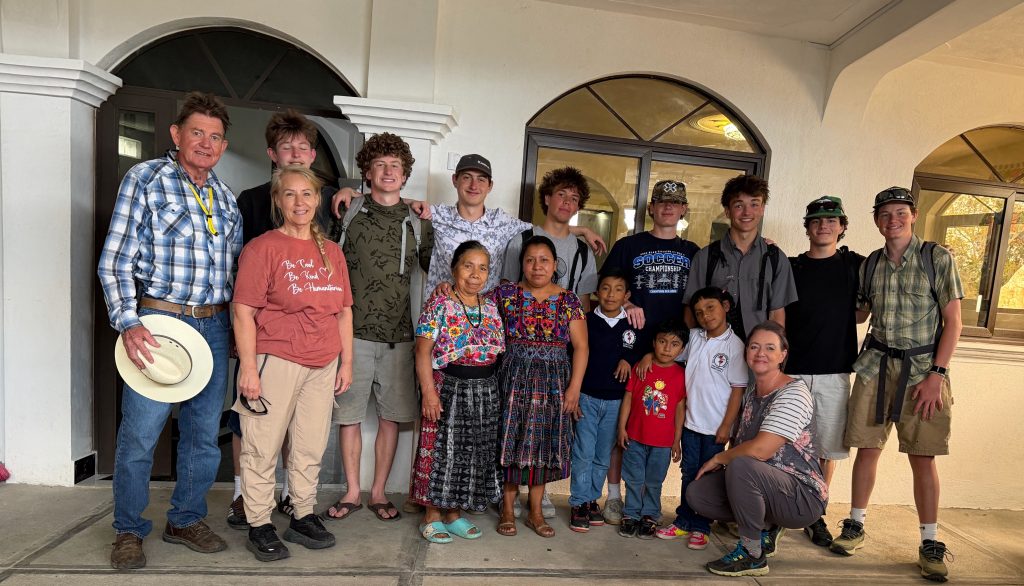
A safe volunteer program should check volunteers, supervise activities, protect children, and make each volunteer’s role clear. Child safety is more than filling out forms. Volunteers who spend time with children need rules about photos, messages, physical contact, and private conversations.
As noted by Cambridge Core
“When children develop attachments to caregivers, disrupting these attachment relationships increases the risk of negative consequences,” which can include “symptoms of emotional disorders, behavioural disorders, and problems with inhibitory control.” – Cambridge Core
UNICEF says children have the right to be safe from abuse, violence, and exploitation. Volunteers should respect those rights whenever they work with children.
When looking at volunteer programs in Guatemala, travelers can ask:
- How are volunteers checked?
- Who supervises activities with children?
- What child-safety rules are followed?
- Who can take photos, and how are they used?
- Are volunteers helping local teachers instead of doing their jobs?
Volunteering should be about helping people with respect. Children should never be used as photo props or treated like part of the attraction.
How Can You Prepare For Safety, Transportation, And Infrastructure?

Plan for rural roads, changing weather, drinking enough water, sanitation, communication, and high-altitude travel.
San Andrés sits near Lake Atitlán at about 7,047 feet (2,148 meters). The altitude can be a concern, especially for older travelers and people with heart or breathing problems. The CDC advises people with heart or lung disease to talk with a doctor who knows about high-altitude travel before going to high places.
Be Humanitarian trips have a local team and an experienced guide. Nearby clinics are available if medical care is needed. Still, travelers should have travel insurance and talk with their doctor about the trip if needed.
Keep your plans flexible. Rural roads, weather, and local schedules can change how long travel takes. Bring comfortable clothes, water, personal medicine, sun protection, and anything needed for hands-on work.
How Important Is Spanish For A Guatemala Volunteer Vacation?
Knowing some basic Spanish can make daily conversations easier. It can also help volunteers connect with families and local partners. Your Spanish doesn’t need to be perfect. A few useful words, patience, and a willingness to listen can go a long way.
In rural Guatemala, Spanish isn’t the only language people may speak. Some communities also use Indigenous languages such as Kaqchikel or Q’eqchi’, depending on the area. So it helps to stay open and respectful instead of assuming everyone speaks English.
Before leaving, practice greetings, numbers, directions, food words, and simple ways to ask permission. A little language practice can also make things easier for local coordinators. But talking with people isn’t only about knowing the right words. A smile, some patience, and real interest can carry a conversation a long way.
How Can You Respect Maya Communities And Local Customs?
Respect Maya communities by listening, learning local customs, following community guidance, and treating families as partners.
A good Guatemala cultural exchange starts with curiosity and respect. Learn about local history, dress appropriately, ask before taking photos, and don’t assume one Maya community speaks for all of Guatemala.
Near Lake Atitlán, volunteers may see local traditions, languages, family life, schools, markets, churches, and community events. Don’t arrive expecting to know what life should look like.
The best service trips also leave time for normal moments. Laugh with people. Share a meal. Have a conversation. Those moments can stay with you long after the work is done.
What Does A Typical Guatemala Volunteer Vacation Day Look Like?
A Be Humanitarian day is active, with about 5-7 hours of volunteer work. After that, there’s time for meals, cultural activities, and relaxing after dinner. A morning might start with a community project. From there, the day can move into education, nutrition, water, or family activities.
Volunteer activities can include:
- Distributing water filters.
- Helping with English classes.
- Working on garden projects.
- Helping with nutrition activities.
- Playing soccer and games with children.
- Spending time with families and community members.
The work is hands-on. Volunteers aren’t spending half the day waiting around.
Afternoons may include cultural activities or guided trips. After dinner, things slow down. The schedule keeps the days full without turning them into a race from one attraction to another. The supplied volunteer-tourism benchmark of about 5 service hours per day gives some useful context for structured service trips.
How Should You Balance Service With Cultural Experiences?
Make room for service and culture. Volunteers need enough time with the community to build real connections, but they should also have time to see and learn about Guatemala. A service trip shouldn’t feel like a vacation with a volunteer project squeezed into the schedule. Still, cultural activities can mean more after you’ve spent time working with local people.
Lake Atitlán, nearby communities, seasonal events, and a one-day trip to Antigua can add to the experience. Be Humanitarian keeps the main volunteer work in San Andrés and uses other activities to show travelers more of the area through travel with us
So the trip has a different rhythm. Work with people. Talk. Learn. Eat together. Laugh a little. Then slow down and rest.
How Can You Evaluate Whether A Volunteer Trip Creates Sustainable Impact?
Look for local projects, strong community ties, ongoing programs, clear volunteer jobs, and support that continues after the trip.
Short volunteer trips can still help. But the work needs to be planned. Trouble can start when volunteers don’t know what they’re supposed to do, need too much help from local staff, or finish projects that no one can keep up later.
Be Humanitarian links its trips with education, nutrition, family support, and child sponsorship. The organization says it has worked with rural communities around Lake Atitlán for more than 10 years.
One supplied Texas A&M University research example reports more than 13,000 volunteer hours and $115,000 in direct project funding. It shows how volunteer time and money can support the same project. But volunteer hours don’t tell you if the work helped. Ask whether local partners can keep the work going after the volunteers leave.
How Can Child Sponsorship Extend Your Impact After The Trip?
Child sponsorship can turn a short volunteer trip into ongoing support for education, nutrition, English learning, and families.
For some travelers, the connection doesn’t end when they leave Guatemala. A volunteer might meet children in an English class, play soccer after school, or spend time with a family. Later, they may choose to keep supporting the community.
Be Humanitarian connects child sponsorship with education, nutrition, family support, and community programs in rural areas near Lake Atitlán. The supplied World Vision 2022 benchmark reports more than 3.2 million sponsored children worldwide. That shows how sponsorship can continue long after a single trip.
For a traveler, sponsorship donations can be one possible next step:
- During the trip: Take part in community-led work.
- After the trip: Stay connected through ongoing support.
- Over time: Keep supporting education and nutrition programs.
Sponsorship should be a personal choice. Volunteers shouldn’t feel pressured to sign up.
What Should You Pack For A Guatemala Volunteer Vacation?
Pack for hands-on work, rural travel, changing weather, high elevation, and time with local families.
Keep your packing list practical. You’ll need clothes you can work in, not a suitcase full of formal outfits. Comfortable gear matters more when you’re gardening or helping with community projects.
Consider bringing:
- Passport and travel documents.
- Comfortable shoes for active days.
- Layers for changing temperatures.
- Sun protection and water supplies.
- Prescription and regular medicines.
- Basic personal hygiene items.
- Phone, chargers, and power protection.
- A few useful Spanish phrases.
San Andrés sits at about 7,047 feet. Normal activity can feel harder at that height, especially during the first few days. Older adults and people with heart or breathing problems should talk with their doctor before the trip.
The CDC also recommends checking your travel health needs before going abroad and bringing the medicines and health information you may need.
How Should You Plan Flights, Accommodation, Meals, And Ground Transport?
Before booking flights, check what the organization handles and what you need to arrange yourself.
Be Humanitarian’s guided trips include local transport, lodging, meals, schedules, and local support. Travelers still need to arrange their international travel to Guatemala.
| Traveler responsibility | Program coordination |
| International flights | Local transportation |
| Passport and documents | Accommodation |
| Personal preparation | Meals |
| Travel insurance | Guided service schedule |
| Personal expectations | Local team and activities |
Knowing who handles what makes planning a Guatemala volunteer trip easier. It also keeps travelers from assuming that an organized trip covers every part of their travel.
Leave some room in your schedule for delays. Rural travel doesn’t always run on the same clock as a city trip.
How Can You Decide Whether A Short-Term Volunteer Vacation Is Right For You?
A short-term volunteer vacation may suit you if you have a clear job, good local support, and realistic plans for an 8-11-day trip.
A week or two won’t change a whole community. That’s not the point. You can still help with work that’s already underway, get to know local people, and see programs that keep going after you leave.
Community partnership matters here. Volunteers should join local projects, not arrive thinking they can fix everything themselves.
Be Humanitarian’s 8-11-day trips include guided service and about 5-7 hours of volunteer work each day. Cultural activities are part of the schedule too. This kind of trip may suit busy professionals, active retirees, or anyone who wants to do more than see the sights.
What Questions Should You Ask A Guatemala Volunteer Organization?
Credit: Be Humanitarian
Ask about safety, local partnerships, child protection, travel plans, volunteer jobs, costs, and what happens after the trip.
A good organization should answer these questions clearly. You shouldn’t have to dig through a mission statement to find basic details.
Ask:
- Who chooses the projects volunteers work on?
- How are volunteers checked and supervised?
- What child-safety rules are in place?
- Where does the volunteer’s money go?
- What happens if weather or transport changes plans?
- Who leads volunteers in the community?
- What continues after volunteers leave?
- How do you measure the work’s results?
These questions can help individual travelers, retirees, professionals, and company groups.
Businesses can also ask how employee trips can fit with corporate sponsorship. A company might support a child, school program, nutrition project, or community effort while employees take part in a guided service trip.
How Do You Turn Your Guatemala Volunteer Vacation Into Lasting Impact?
Think about what happens after the trip, too. Responsible service, respect for local culture, and continued support can help your time in Guatemala mean more. A volunteer trip doesn’t have to end when you board the flight home. You can leave San Andrés knowing more about the people, schools, families, and programs you met.
That can lead to several ways to stay involved:
- Continue child sponsorship.
- Support education and nutrition programs.
- Return for another volunteer trip.
- Encourage responsible corporate giving.
- Share the community’s work without focusing only on hardship.
This keeps the focus on partnership and local work, not charity stories.
The supplied 42.8% national childhood stunting figure shows why nutrition matters. But a statistic can’t tell the whole story. The people and communities should remain at the center.
A Practical Planning Framework For Guatemala Volunteer Vacations

Planning gets easier when you break the trip into five steps: pick a program, check it out, get ready, do the work, and think about what comes next.
- Choose: Pick your dates, trip length, service goals, and cultural interests.
- Verify: Check child safety, supervision, local partners, travel plans, and how results are tracked.
- Prepare: Book flights, get insurance, check health needs, learn some Spanish, pack for the work, and plan for the altitude.
- Participate: Help with education, nutrition, water, gardening, and family projects.
- Extend: Consider child sponsorship, company giving, another visit, or staying involved.
To be Humanitarian, volunteers stay in San Andrés near Lake Atitlán. Trips last 8-11 days and are led by Tobie Spears and the local team. Antigua is a one-day cultural visit, not the place where volunteers do their main work.
FAQ
How Much Should You Budget For A Guatemala Volunteer Vacation?
Your Guatemala volunteer trip costs depend on the trip length, accommodation, transport, meals, and project fees. When planning Guatemala volunteer travel, budget for flights, insurance, local transport, food, and personal expenses.
Affordable volunteer trips Guatemala options may lower costs, but check exactly what each fee includes. Keep extra money available for unexpected expenses, delays, or schedule changes.
What Should You Pack For Volunteering In Guatemala?
Your Guatemala volunteer packing list should match your project, destination, and expected weather. Bring comfortable clothes, sturdy shoes, toiletries, basic medicine, sunscreen, a reusable water bottle, and rain protection.
If you plan cultural immersion Guatemala activities, pack modest clothing for community visits. Check your Guatemala travel preparation details before leaving, including baggage limits, documents, and required medications.
Is Guatemala Safe For First-Time Volunteers?
Guatemala travel safety depends on your destination, transportation, daily activities, and how closely you follow local advice. Before volunteering in Guatemala, learn about your community, transportation options, emergency contacts, and common risks.
Volunteer safety Guatemala planning should include travel insurance, secure accommodation, reliable local guides, and clear plans for traveling between communities during your volunteer trip.
How Can I Make My Volunteer Work Helpful To Local Communities?
Choose Guatemala community volunteering projects that address priorities identified by local residents. Community-led volunteering Guatemala programs allow volunteers to support existing work instead of deciding what communities need themselves.
Ask how the project supports community development Guatemala goals, who manages the work, and how progress is measured. Responsible volunteering Guatemala also requires respecting local customs, schedules, and decisions.
Can I Combine Volunteering With Travel Around Guatemala?
Yes, you can combine volunteering and travel Guatemala, but plan sightseeing around your service schedule. Leave enough time for transportation, rest, and unexpected delays. A Guatemala volunteer itinerary can include community service, cultural activities, and sightseeing after your project.
If you volunteer near Lake Atitlán, you can visit nearby communities while learning about local traditions and culture.
What Should You Remember Before Booking?
A responsible Guatemala volunteer vacation starts with the needs of the local community. You should also know what the trip involves and make sure you’re ready for the physical demands. Be Humanitarian has welcomed volunteers over 70, but age isn’t the only factor.
San Andrés sits at about 7,047 feet, so travelers with heart or breathing concerns should check with a doctor before going. Most importantly, come ready to listen, help, and respect the people who live there.
Your trip can be more than a few days in Guatemala. You can stay connected through child sponsorship or corporate support after you return home. If you’re ready to take the next step, learn more about Be Humanitarian.
References
- https://www.sciencedirect.com/org/science/article/abs/pii/S2514979224000247#1
- https://www.cambridge.org/core/books/abs/orphanage-tourism-in-nepal/orphanage-life-damage-survival-and-possibilities/AED044355C2ADD5A39C788595C98D53D#1
