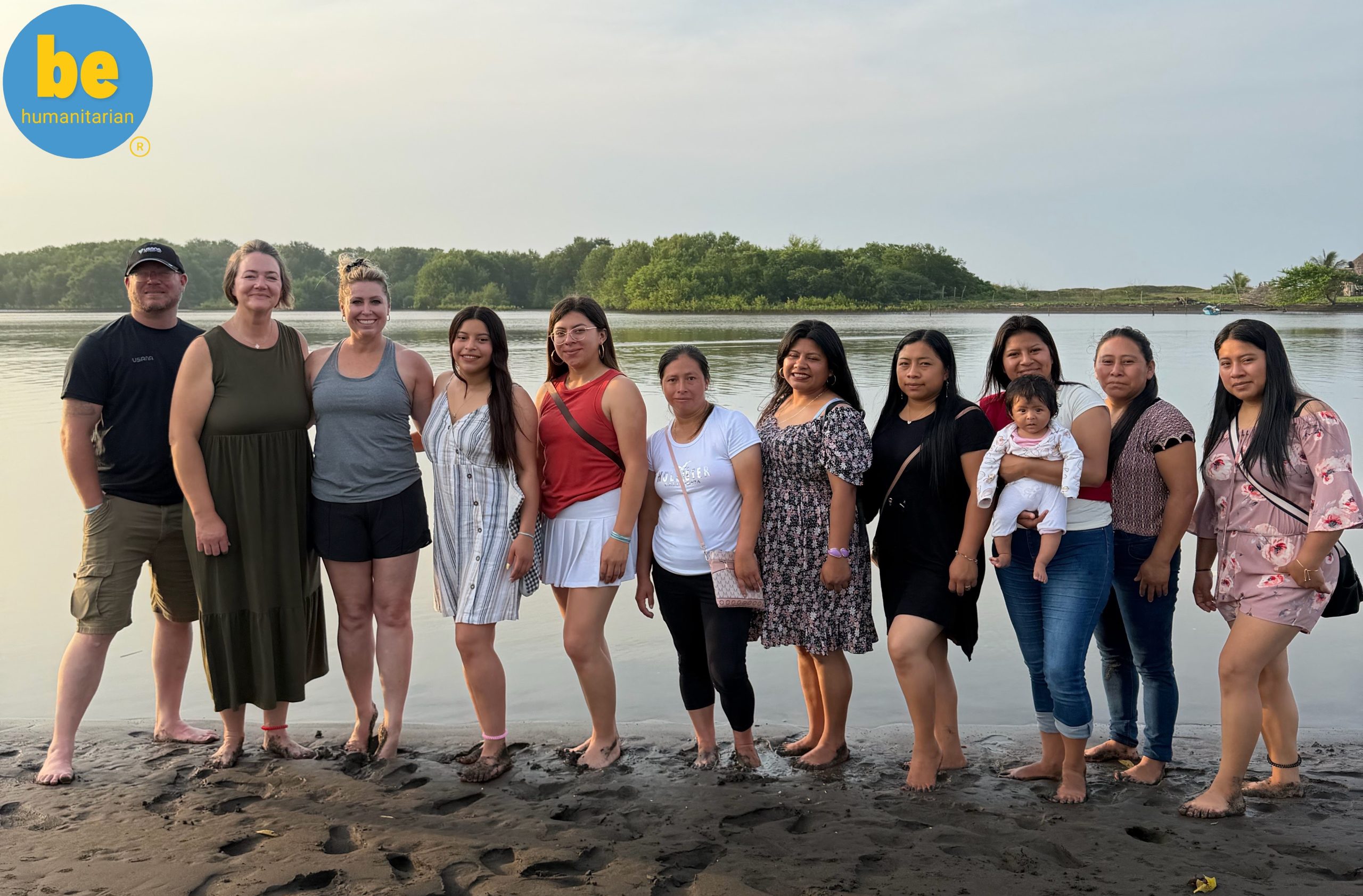
An ethical volunteer vacation in Guatemala typically involves 8 to 11 days of hands-on service alongside Indigenous leaders in San Andrés, about 7,000 feet above sea level. Projects may support education, nutrition, gardening, clean water, or families near Lake Atitlán.
The work is planned with the community, making preparation, respectful relationships, and long-term support important parts of the experience.
Physical demands can also vary by project and setting. Keep reading to learn how to prepare, what to expect, and how a volunteer visit can support longer-term community efforts.
Choosing A Guatemala Volunteer Program: Key Takeaways
- Choose a community-led Guatemala volunteer program with clear projects, local leadership, and realistic daily service expectations.
- Plan early to secure group availability and allow enough time for flights, insurance, health checks, and preparation.
- Prepare for active service at high altitude by reviewing physical demands, packing appropriately, and discussing health concerns with your doctor.
- Balance hands-on volunteering with cultural experiences while remaining flexible when community needs or schedules change.
- Extend your impact through ongoing support, such as child sponsorship, after returning home.
How To Plan Guatemala Volunteer Vacations
A good Guatemala volunteer vacation starts with a local program, a clear service plan, and time to know the community.
Be Humanitarian’s guided trips last 8-11 days and are led by Tobie Spears and a local team. Volunteers usually spend 5-7 hours daily on existing projects.
Community-Led Innovation Partnership Final Evaluation, Guatemala indicate
“The programme facilitated a transition from dependency to self-efficacy of local communities, proving that local knowledge and assets are critical for sustainable, contextualised problem-solving.” – ReliefWeb
Current San Andrés projects focus on household water filters, family micro-gardens, and early childhood nutrition. Local programme directors adjust daily schedules based on school terms and weather.
That setup matters. Good volunteering should support local work, not replace it. Mornings may include English practice or helping prepare fortified corn porridge (atol) for breakfast.
Afternoons can include delivering gravity water filters to family homes, explaining filter care, or joining football with local children. Gardening can also support food access.
The days are active, with time to talk and connect with children and local partners.
For travelers comparing Guatemala volunteer opportunities:
- Choose an 8-11 day trip that fits your schedule.
- Check activities and physical demands before booking.
- Prepare for San Andrés at 7,047 feet (2,148 meters).
- Get travel insurance and discuss altitude concerns with a medical professional.
- Learn basic Spanish phrases before leaving.
Be Humanitarian says trips include transportation, accommodation, local coordination, and planned community activities. Volunteers can travel with us while focusing on service.
What Should A Guatemala Volunteer Itinerary Include?
A good Guatemala volunteer itinerary should balance service with cultural time.
| Planning Area | Be Humanitarian Approach |
| Trip length | 8-11 days |
| Main work location | San Andrés, near Lake Atitlán |
| Daily service | 5-7 hours |
| Leadership | Tobie Spears + local team |
| Core activities | Education, nutrition, water, gardening, family support |
| Cultural experience | Lake Atitlán + one-day Antigua visit |
| Community model | Local projects and systems |
Volunteers support local teams rather than acting as outside experts. The goal is to arrive prepared, listen, work hard, and help with projects that continue after the trip.
Why Plan Guatemala Volunteer Vacations Early

Planning a Guatemala volunteer vacation early can help travelers get a spot in a small group. It also gives Be Humanitarian time to plan supplies, transport, staff, and community activities.
Planning ahead helps if you’re looking at a seasonal trip or need more time for flights, insurance, medical checks, or altitude planning. Be Humanitarian keeps its trips focused on local relationships rather than large groups.
Small groups can also make it easier to connect with people. You might remember a child’s name, chat with a teacher after an English class, or laugh with a family while working in a garden. Those moments are harder to have when visitors rush from place to place.
There’s a practical side, too. Some project supplies need to be ready before volunteers arrive. Be Humanitarian describes work that uses garden supplies and school resources, so planning ahead can help everyone.
But an early plan doesn’t mean every day is set in stone. Weather, school schedules, family needs, and community priorities can change what happens.
If you’re comparing a Guatemala volunteer trip with a regular vacation, that flexibility is part of it. You may expect one job and find that the local team has something more useful planned.
That can make the trip feel less like a tour and more like joining work already happening in the community.
How To Plan Meaningful Guatemala Retirement

A meaningful Guatemala retirement can combine service, cultural time, and child sponsorship without asking retirees to do more than they can safely manage.
Research from Centers for Disease Control and Prevention (CDC) shows
“If you plan to travel to an elevation higher than 8,000 feet above sea level or higher, you may be at risk for altitude illness, which is caused by low oxygen levels in the air.” – CDC
Be Humanitarian has welcomed over 70 volunteers. Its guidance notes that San Andrés sits at 7,047 feet (2,148 meters). Older adults and anyone with heart or breathing problems should consult a doctor before traveling.
The CDC states, “If you plan to travel to an elevation higher than 8,000 feet above sea level or higher, you may be at risk for altitude illness.” San Andrés is high, so some travelers may need time to adjust. Guides and nearby clinics provide support but do not replace personal medical planning.
Retirees can share useful skills without taking over local programs. Former teachers might help with English, business owners can mentor, and gardeners can support home gardens. Others may enjoy joining children’s activities planned by local staff.
The work is active, from distributing water filters and preparing nutrition supplies to supporting education and gardens. After dinner, volunteers can slow down and reflect on the day.
This mix suits travelers seeking more than sightseeing. They can return to the same community, see familiar faces, and better understand local programs.
The connection can continue after returning home. Be Humanitarian offers monthly child sponsorship starting at $20 for English classes or $37 for daily breakfast. Sponsorship is an ongoing commitment, not a travel perk.
How To Plan Guatemala Corporate Service
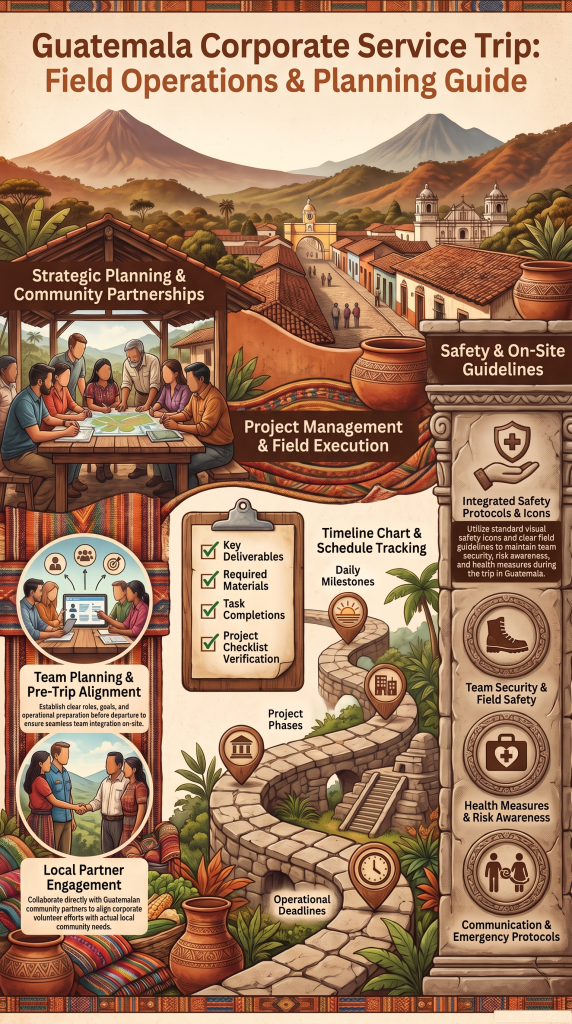
Corporate service trips can mean more when companies stay involved with local partners instead of treating the trip as a one-time team event.
Be Humanitarian offers company trips that can include transport, lodging, meals, activities, communication, and planning before the trip. These trips can last 8-11 days with Tobie Spears and local staff.
Teams can help with education, nutrition, water, gardens, and family programs. Companies can also link their giving to child sponsorship and keep supporting the community after the trip.
The idea isn’t for a company to take over. Local teams decide what the community needs. Volunteers bring their time, skills, energy, and support.
A corporate service trip can include:
- Hands-on community projects.
- Team-building through shared service.
- Child sponsorship or company giving.
- Education and nutrition projects.
- Support after employees return home.
Be Humanitarian maintains financial transparency (earning top ratings on Candid/GuideStar) to ensure sponsorship funds directly support daily meals, school fees, and community development. Guatemala also has serious nutrition problems. The cited data found chronic malnutrition in about half of children under five.
A company doesn’t need to promise it will fix these problems. It can support local work, check results, listen to community partners, and stay involved over time.
Guide To Planning Volunteer Vacations In Guatemala
Credit: Be Humanitarian
A good Guatemala volunteer vacation starts with one idea: choose a trip that helps you connect with a community instead of passing through as a visitor.
Be Humanitarian connects volunteer trips with year-round programs near Lake Atitlán. The main work takes place in San Andrés, while cultural activities introduce travelers to the wider area. Antigua is a one-day visit, not the main volunteer site.
Travelers can expect service work, cultural exchange, local meals, conversation, and hands-on activities. Days are active, with about 5-7 hours of volunteering, followed by time to explore Guatemala or spend time with the group. Evenings offer time to slow down.
A useful preparation checklist includes:
- Check passport and entry rules for your nationality.
- Get suitable travel insurance.
- Discuss altitude and heart or breathing conditions with your doctor.
- Pack comfortable walking shoes and clothes for hands-on work.
- Prepare for cooler highland weather and changes in conditions.
- Learn basic Spanish greetings and polite phrases.
- Be ready to follow the local team’s direction.
- Consider sponsoring a child (20-37/month) to provide ongoing education and meals after your trip.
How Child Sponsorship Extends The Journey
Child sponsorship donations can turn a volunteer trip into a longer connection with a child and family. Be Humanitarian lists monthly sponsorships starting at $37 per month for daily meals or $20 per month for English education.
Its supplied information also says 100% of sponsorship funds go toward children and community projects.
That fits with responsible volunteering. A trip becomes part of a longer relationship. Volunteers can see the work, meet local staff, and understand where ongoing support fits.
Small moments can stay with you. A soccer game. A child laughing in English class. A family showing a garden. One trip can’t show long-term results. So consistency matters: support local leaders, help responsibly, return when possible, and keep supporting the work after you go home.
FAQ
How much should you budget for a volunteer vacation in Guatemala?
A volunteer vacation budget Guatemala plan should cover program fees, accommodation, meals, local transportation, flights, travel insurance, and personal expenses. Guatemala volunteer trip costs vary based on the program length and services included.
Set aside extra money for cultural activities, tips, and unexpected expenses. Comparing Guatemala volunteer program fees can help you choose a program that fits your budget.
What should you look for when choosing volunteer programs in Guatemala?
When researching Guatemala volunteer programs, look for clear project goals, local leadership, defined volunteer roles, and transparent fees. Ethical volunteering Guatemala should respond to community needs rather than create unnecessary work for visitors.
Ask who manages each project, how volunteers are prepared, and how the work benefits local residents. These questions can help you choose a responsible program.
What should you pack for volunteering in Guatemala?
A volunteer vacation packing list Guatemala travelers use should match the project, weather, and planned activities. Pack comfortable work clothes, sturdy shoes, sun protection, toiletries, reusable water supplies, and any personal medicines you need.
If you plan on rural volunteering in Guatemala, bring clothing suitable for outdoor work, dirt, and rain. Check your accommodation before packing additional items.
How can you stay safe during Guatemala volunteer travel?
Before a Guatemala service trip, check current travel advice, confirm your travel insurance coverage, and review health precautions Guatemala volunteers should consider. Keep important documents secure and share your itinerary with someone you trust.
Guatemala volunteer safety also requires following local guidance and staying aware of your surroundings. Ask about airport transfers, local transportation, emergency contacts, and project-specific safety rules.
How can you combine volunteering with travel in Guatemala?
Combining travel and volunteering Guatemala can work well when you allow enough time for both activities. Build your Guatemala travel itinerary around your service schedule and include rest days between activities.
You could add cultural immersion, Spanish lessons, or visits to local communities after completing your volunteer work. This approach gives you time to serve, explore, and experience Guatemala responsibly.
Plan A Guatemala Volunteer Vacation With Purpose
A Guatemala volunteer vacation can give you a chance to travel while doing work that matters. Instead of moving from place to place, you spend real time in one community, follow local guidance, and get to know the people you’re supporting.
In San Andrés near Lake Atitlán, Be Humanitarian connects volunteers with ongoing education, nutrition, water, gardening, and family support programs.
The work is hands-on, the days are active, and the relationships grow through time spent together. That’s what makes the experience feel different from a typical trip.
Your volunteer vacation doesn’t have to be the end of your involvement. A $40-a-month child sponsorship can help you keep supporting education and opportunity after you return home. If you’re ready to get involved, explore Be Humanitarian and find the next step that feels right for you.
References
- https://wwwnc.cdc.gov/travel/page/travel-to-high-altitudes#1
- https://reliefweb.int/report/guatemala/community-led-innovation-partnership-final-evaluation#1