
The best Guatemala volunteer vacation feels personal from the first day. You are not standing off to the side watching a project made for tourists. You are meeting families, helping in schools, sharing meals, and spending time with people who already know the local team.
Many volunteer programs near Antigua Guatemala or Lake Atitlán offer short trips, but not all stay connected after volunteers leave. Be Humanitarian takes a slower and more community-based approach.
Their trips near San Andrés support local families through school programs, meals, clean water projects, and child sponsorship. Volunteers join work already happening year-round. That changes the feeling of the trip quickly.
What You Should Know Before Choosing A Guatemala Volunteer Vacation
- Strong volunteer programs support local families year-round
- Be Humanitarian works in communities near Lake Atitlán
- Trips usually last 8–11 days
- Volunteers help with meals, school support, water filters, and family visits
- Local staff and families lead the work on the ground
What Does “Best” Really Mean For A Guatemala Volunteer Vacation?
Many travelers now ask harder questions before signing up for volunteer trips.
They want to know if the work matters after the trip ends. They want to know if local families have a voice in the programs. They also want to avoid trips that feel rushed or built around photos instead of real community support.
That shift matters in Guatemala.
Guatemala has the largest economy in Central America, but many rural families still struggle with food access, healthcare, and education. In Indigenous communities, child malnutrition remains a serious problem. Because of that, many travelers now look for volunteer programs built around long-term support instead of quick projects.
Research from National Geographic shows
“Located between Mexico and Honduras, Guatemala is a land of dramatic nature, iconic wildlife, and living history. There are 37 [volcanoes] in Guatemala alone, three of which are active, making the country a hotspot for geotourism. [The] cultural immersion and dynamic team building throughout the stay made for a revitalizing break from studies, while providing care to underserved rural communities gave purpose to our stay.” – National Geographic
That is one reason relationship-based volunteer programs stand out.
Near Lake Atitlán, Be Humanitarian works with local schools, teachers, nutrition teams, and families already involved in community programs. Volunteers do not arrive to start random projects for one week. They step into systems already running.
That creates a very different experience.
You notice it during family visits. Children already know the local staff. Parents are comfortable speaking openly. The work feels steady instead of temporary. People who want to travel with us often notice how quickly those relationships start to feel genuine.
Before booking a volunteer trip, many travelers now ask:
- Are local people leading the projects?
- Do the programs continue all year?
- Are volunteers supporting or replacing local workers?
- Is the organization clear about funding?
- Can volunteers stay connected afterward?
Those questions help people find programs built on trust instead of short-term attention.
What Experienced Travelers Look For Now
Travelers today often care more about consistency than packed schedules.
Many look for:
- Education support for children
- Meal and nutrition programs
- Community-led projects
- Real relationships with local families
- Child sponsorship tied to long-term support
That creates trips that feel more grounded and less performative.
Is A Guatemala Volunteer Vacation Helpful Or Just Voluntourism?
 The word “voluntourism” comes up often now, especially online.
Travelers have become more skeptical of volunteer programs where people arrive for a few days, take photos with children, then leave without any lasting connection. Some programs unintentionally create emotional stress for kids who meet a constant stream of visitors.
That concern is fair.
Children need stability, not a revolving door of strangers.
Good volunteer programs understand that. They create structure, boundaries, and long-term community involvement before volunteers ever arrive.
That is part of what makes community-led programs feel different.
Be Humanitarian already has school support, nutrition programs, and family services operating before volunteer groups arrive. Local families already know the staff and coordinators. The programs continue even when no volunteers are visiting.
As noted by the British Embassy in Guatemala City / GOV.UK
“Start Ready has released [funding] to support early action to reduce the impact of drought in Guatemala. Planned actions include improving access to safe water, supporting food security and nutrition, and strengthening health and livelihoods. It shows the growing role of early action in reducing climate-related humanitarian risks.” – British Embassy Guatemala City / GOV.UK
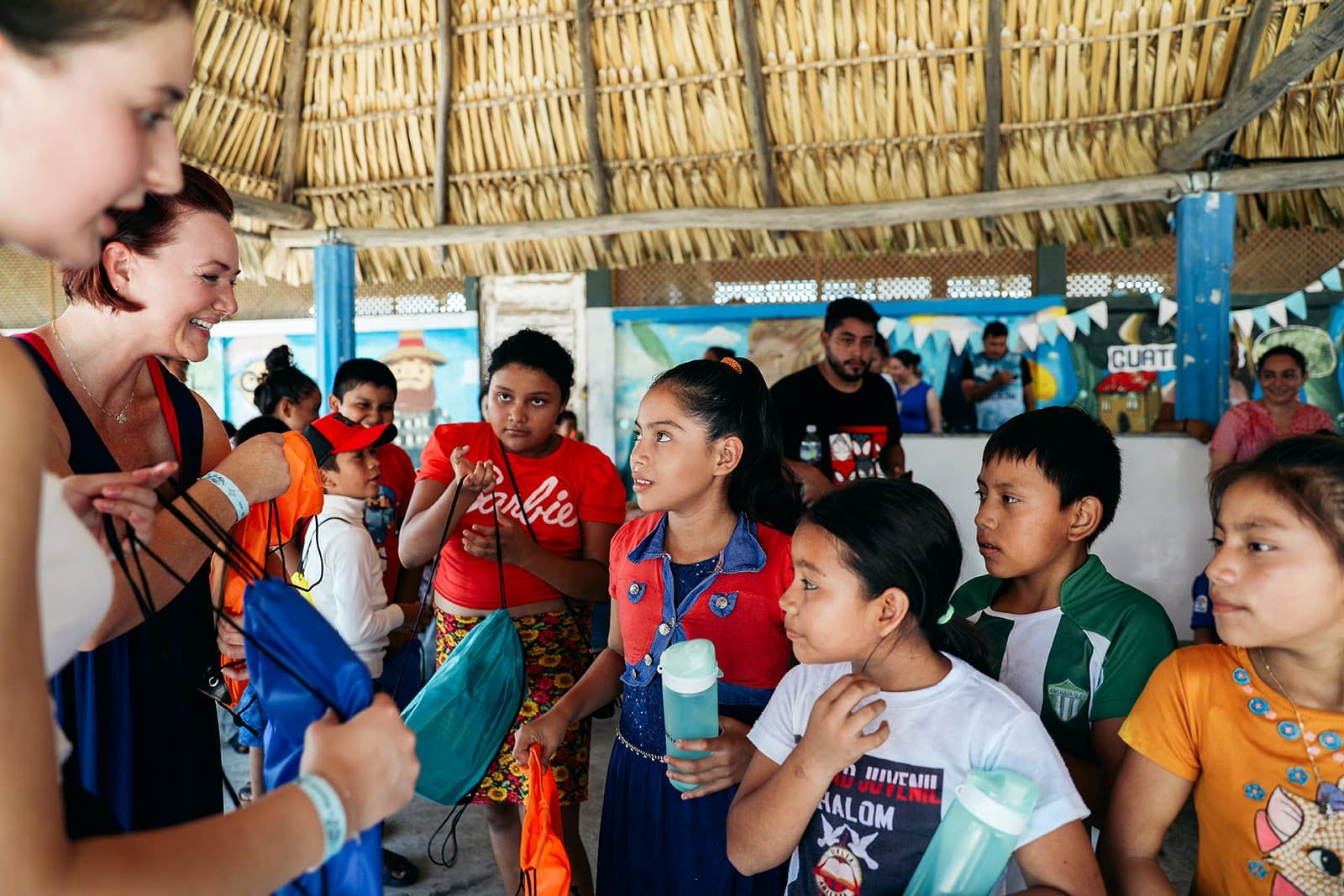
Volunteers usually spend around 5–7 hours each day helping with activities like:
- Supporting English lessons
- Preparing meals
- Delivering water filters
- Visiting family homes
- Helping with games and activities
- Spending time with local children
The work stays active, but it does not feel staged.
One morning may involve helping children during classroom activities. Another afternoon might mean carrying supplies through hillside neighborhoods while children run ahead laughing. Those moments happen naturally.
How Be Humanitarian Avoids The Voluntourism Trap
The focus stays on continuity.
- Programs run year-round
- Local teams guide the work
- Volunteers support existing goals
- Child sponsorship continues after trips end
- Families stay connected to the organization
That last part changes the experience for many travelers.
Some volunteers later continue through sponsorship donations after returning home. Others stay involved through future trips and ongoing support for local families. What begins as one week of service becomes an ongoing connection.
How Does Be Humanitarian’s Guatemala Program Work?
 The volunteer trips take place near Lake Atitlán, close to San Andrés.
Trips usually last between 8 and 11 days and are guided by Tobie Spears alongside local coordinators who know the families and schools personally.
Most volunteer activities happen at about 7,047 feet above sea level. Some travelers feel the altitude during the first few days, especially older adults or people with breathing conditions. Drinking water, resting, and taking it slow at first usually helps.
The daily rhythm stays busy but personal.
Volunteers may help with:
- Preparing breakfasts and lunches for children
- Delivering backpacks and school supplies
- Supporting classroom activities
- Helping children practice English
- Delivering water filters
- Visiting homes with local team members
- Gardening and nutrition projects
- Sports and outdoor activities with children
People often remember the quieter moments most.
Sitting inside a family kitchen while tortillas cook over the stove. Walking narrow roads after school with local children. Hearing music and laughter carry through the village in the evening. Those are often the moments when humanitarian trips change your life in ways people do not expect beforehand.
Those experiences feel different because they are part of normal daily life, not staged activities for visitors.
According to Be Humanitarian, child sponsorship donations go directly toward food, education, and family support programs. The support continues long after volunteers return home.
Why Continuity Matters More Than One-Week Projects
The programs continue whether volunteers are there or not.
That matters because healthy volunteer programs should strengthen local systems, not depend on outside visitors to survive.
Volunteers are joining ongoing work, not creating temporary projects that disappear a week later.
What Does A Typical Volunteer Day In Guatemala Look Like?
Most days mix hands-on volunteer work with time spent inside the community, not away from it.
Volunteer trips in Guatemala usually last between 7 and 12 days. Near Lake Atitlán, mornings start early. The air feels cool in the highlands, and the towns slowly come alive as schools open and families begin their day.
A normal day often looks something like this:
- 7:00 AM: Breakfast with the group
- 8:00 AM: Travel to community projects
- 9:00 AM–1:00 PM: Meal prep, classroom support, water filter delivery, family visits, or activities with children
- 1:00 PM: Lunch with volunteers or local families
- 2:00 PM–5:00 PM: Community activities, soccer games, artisan visits, local markets, or cultural experiences
- Evening: Dinner, rest, and group conversations about the day
The days stay busy. People are usually moving from one activity to the next.
One morning might be spent helping local teachers during English lessons. Another day could mean walking supplies into hillside neighborhoods while children race ahead laughing and shouting greetings.
Some afternoons include boat rides across Lake Atitlán. Others end in local markets filled with woven fabrics, street food, and the smell of wood smoke hanging in the air.
Service In The Morning, Exploration In The Afternoon
The volunteer work is only part of the experience.
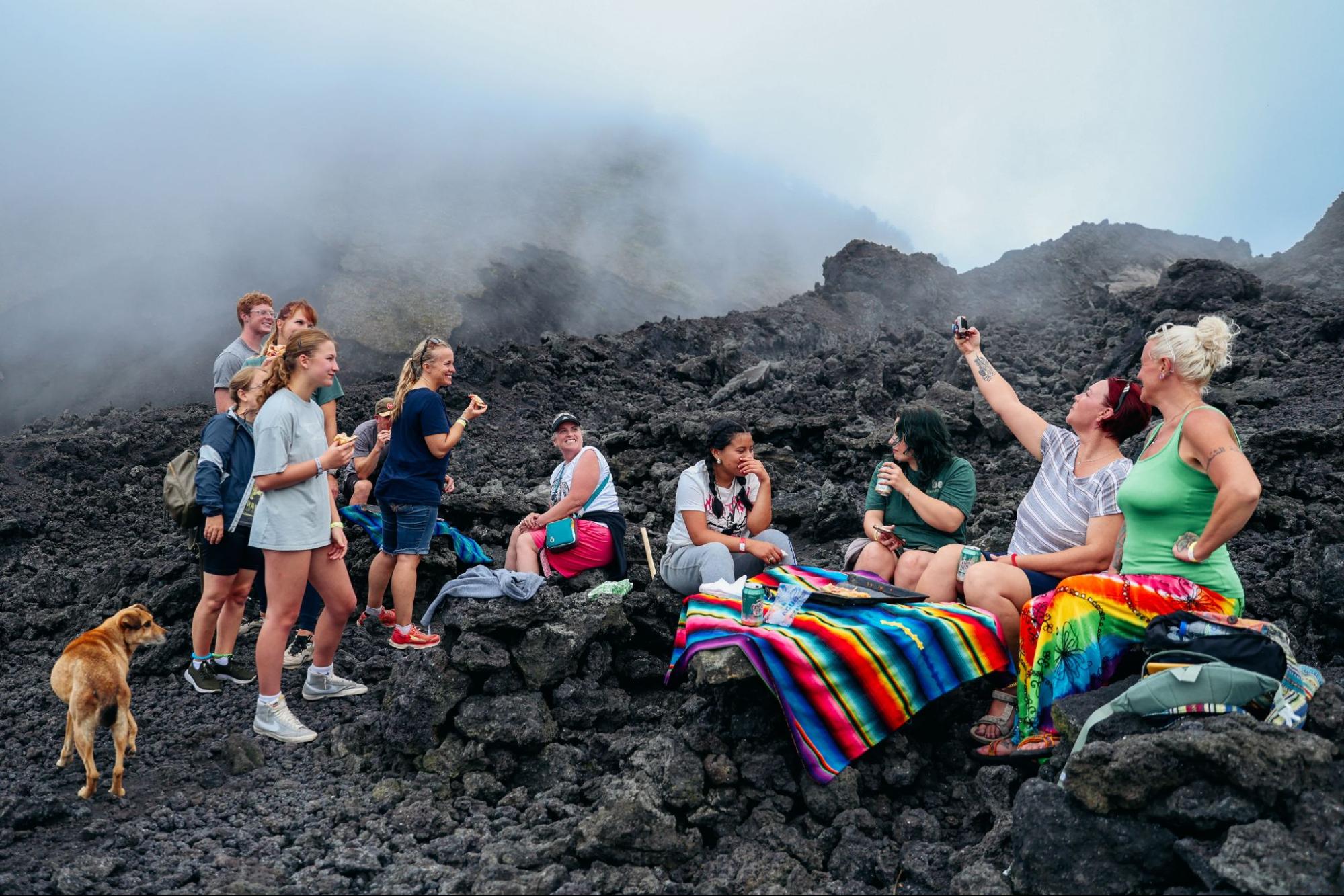
Travelers also get time to experience daily life and culture in Guatemala.
That may include:
- Volcano views near Lake Atitlán
- Traditional Guatemalan meals
- Visits with local artists and shop owners
- Community music and celebrations
- Textile markets and small villages
- A guided day trip to Antigua Guatemala
Evenings are usually quieter. People eat dinner together, share stories from the day, then head to bed tired from being outside and active most of the day.
Which Be Humanitarian Guatemala Trip Is Best For You?
The best trip depends on what kind of experience you want most.
Some travelers want deeper cultural experiences. Others care more about family visits, community service, or seasonal festivals. Every trip still includes volunteer work tied to education, food programs, and local family support.
| Trip Type | Best For | Main Experiences | Ideal Traveler Profile |
| Journey With Purpose | First-time volunteers | Classroom support, family visits, water projects, Lake Atitlán activities | Couples, families, professionals |
| Semana Santa Volunteer Vacation | Travelers interested in culture and traditions | Holy Week events, Antigua visit, volunteer service | Retirees, photographers, reflective travelers |
| Flower Festival Volunteer Vacation | Nature lovers | Gardening projects, markets, family visits, and regional festivals | Couples, slower-paced travelers |
| Day Of The Dead / Giant Kite Festival | Travelers interested in heritage and local traditions | Cultural events, education support, and community activities | Returning volunteers, entrepreneurs, sponsors |
Each trip blends volunteer work with time spent exploring local culture and communities.
The focus stays on relationships instead of quick projects built for photos. Many travelers searching for better volunteer vacation programs in Guatemala are looking for that kind of long-term community connection. Volunteers work beside local teachers, nutrition teams, parents, and community leaders already involved year-round.
That difference matters to many older travelers and professionals looking for responsible volunteer travel.
Some volunteers are over 70 years old. Many are retirees looking for meaningful travel and long-term ways to stay connected. Others choose a family volunteer vacation so children and parents can experience the community together. Some later become child sponsors or return again on future trips.
The common thread in every trip is continuity.
Families already know the local team. Children recognize returning visitors. The programs continue between volunteer groups.
That trust builds slowly over time, which is part of what makes the experience feel real.
Is Guatemala Safe For Volunteer Travel?
Traveling in Guatemala takes planning, especially in rural areas. That said, guided volunteer trips remove many of the common problems travelers worry about.
Programs near Lake Atitlán and Antigua Guatemala usually include organized transportation, local guides, and support from people who know the area well. That makes the experience feel much more manageable, especially for first-time visitors.
Safety often comes down to having structure and local relationships already in place.
Be Humanitarian trips include:
- Guided transportation during the trip
- Local staff support each day
- Long-term relationships with local communities
- Access to nearby clinics if needed
- Planned lodging and schedules
- Translation and cultural guidance
The atmosphere near San Andrés feels calm compared to larger cities. Most days are centered around schools, families, and community spaces.
Still, travelers should expect the normal parts of rural travel.
Roads can feel narrow and winding. Rain can change plans quickly in the highlands. Sometimes schedules shift because community needs come first. Most volunteers adjust within a day or two.
What Older Travelers And First-Time Volunteers Should Know
The elevation near San Andrés is about 7,047 feet above sea level.
Some travelers feel the altitude during the first few days, especially if they have heart or breathing conditions. Older adults should check with a doctor before traveling and expect some walking on uneven roads and hills.
Volunteers should also expect:
- Light to moderate physical activity
- Cool evenings near the lake
- Flexible schedules at times
- Emotional family visits
Most people settle in quickly by drinking water, getting enough rest, and taking things slow the first day or two.
Is A Guatemala Volunteer Vacation Worth The Cost?
 A lot of travelers ask the same question before booking: where does the money actually go?
Some volunteer programs in Guatemala advertise very low weekly prices. But cost alone does not tell you much about the quality of the program or the long-term impact.
Good volunteer programs usually include more than housing and transportation.
The cost often helps support:
- Local staff and guides
- Meals and lodging
- Transportation during the trip
- School and nutrition programs
- Community projects already operating year-round
Many travelers also want to know if the experience creates something lasting after the trip ends.
That is one reason people choose relationship-based programs. Some volunteers return home and later sponsor a child after meeting families in person and seeing daily life up close. The trip becomes more than a one-time experience.
People often remember small moments most clearly, sitting in a family kitchen, walking children home from school, or hearing stories during dinner after a long day. Those experiences stay with people in a different way than ordinary tourism.
Questions To Ask Before Booking Any Volunteer Program
Before choosing a volunteer program, it helps to ask direct questions.
- Are local leaders running the projects?
- Do the programs continue without volunteers?
- How are children protected emotionally?
- Is the organization clear about funding?
- Are volunteers helping local systems instead of replacing them?
Programs that answer those questions openly usually build stronger trust with both travelers and local families.
FAQ
What volunteer opportunities are best near Lake Atitlán?
Many travelers choose volunteer opportunities near Lake Atitlán because the area offers meaningful local projects and cultural immersion. Volunteers can help with education initiatives, classroom support, water access, and environmental conservation.
Some volunteer programs also include staying with host families and taking Spanish lessons. Travelers often enjoy visiting local artisans, trying traditional foods, and learning about the daily life of Mayan comunidades and comunidades indígenas.
How do volunteer abroad programs support Guatemala communities?
A volunteer abroad program in Guatemala often supports community centers and comunidades locales through long-term community projects. Volunteers may help with building infrastructure, supporting families, health initiatives, afterschool programs, and reforestation efforts.
Some projects also focus on traditional farming and environmental conservation. These volunteer opportunities help improve local living conditions while giving travelers a meaningful travel experience in Central and South America.
Which Guatemala volunteer experience includes wildlife conservation work?
Many volunteer work programs in Guatemala focus on Wildlife Conservation and environmental conservation projects. Volunteers may join turtle conservation projects, beach patrols, Horse Rescue & Rehabilitation programs, or spay/neuter programs for animals.
Some volunteer opportunities also protect natural areas near the Maya Biosphere Reserve and important archaeological treasures. These programs allow travelers to support local projects while learning more about Guatemala’s cultural heritage and natural environment.
What should I expect during a Guatemala volunteer vacation?
A Guatemala volunteer vacation usually includes community projects, cultural immersion, and opportunities to explore famous locations. Many volunteer abroad programs offer host families, Spanish lessons, and guided visits to Antigua Guatemala, Lake Atitlan, and Antigua Colonial City.
Travelers often visit coffee plantations, Mayan ruins, Cerro de la Cruz, and local markets. Honest traveler’s reviews often describe strong people-to-people connections, cultural exchange, and a rewarding VOLUNTEER ABROAD EXPERIENCE.
Are medical and education volunteer programs available in Guatemala?
Yes, Guatemala offers many volunteer programs focused on medical care and education initiatives. Volunteers may support programas de salud, programas de medicina general, programas de medicina dental, and programas de medicina veterinaria.
Some projects provide health screenings, classroom support, and after-school programs for children and families. Other volunteer opportunities include helping with diseño de intervención plans and sistema de referencia support to improve access to local health and education services.
The Best Guatemala Volunteer Vacations Create Lasting Connections
The best volunteer vacations in Guatemala stay with you long after the trip ends. You may remember a child’s smile, a family you visited, or messages shared months later. That’s what makes these experiences different. They create real relationships that keep growing over time.
Many travelers continue helping through child sponsorship, school support, or future visits. Those steady efforts help children near Lake Atitlán build stronger futures through education and daily care. If you want a trip that means more than sightseeing, explore a Guatemala Volunteer Vacation with Be Humanitarian.
References
- https://www.nationalgeographic.com/travel/article/paid-content-reasons-to-visit-guatemala
- https://www.gov.uk/government/news/uk-backed-fund-supports-early-action-on-drought-in-guatemala
Related Articles
- https://behumanitarian.org/how-humanitarian-trips-change-your-life/
- https://behumanitarian.org/blog/best-volunteer-vacation-programs-guatemala/
- https://behumanitarian.org/family-volunteer-vacation/