
Senior volunteer travel in Guatemala is a practical way for older adults to give their time and see the country in a real, grounded way. You are not showing up as a tourist for a quick stop. You join a small group, follow a planned schedule, and work with local families on projects they already care about, like school programs, meal support, and home gardens.
Groups like Be Humanitarian help organize the trip and handle the details, which takes pressure off the traveler. In places like San Andrés Semetabaj near Lake Atitlán, the focus stays on people, not sightseeing.
Keep reading to see what the days look like.
What Senior Volunteer Travel in Guatemala Includes
- Small group trips lasting 8 to 11 days in San Andrés Semetabaj near Lake Atitlán
- Community work tied to schools, food programs, and family gardens
- Trip leaders like Tobie Spears and local staff guiding the schedule each day
Why Guatemala Attracts Senior Volunteer Travelers
Guatemala draws senior volunteer travelers for two clear reasons: real community need and real cultural connection. For many older adults, that matters. The trip is not built around checking off tourist spots. It is built around spending time with people, learning how they live, and helping where support is needed.
In many rural parts of Guatemala, families still face hard economic conditions. Poverty affects school access, daily meals, and stable housing, especially in indigenous communities. That reality shapes the kind of volunteer work visitors step into. The needs are visible, and the work feels direct.
At the same time, the country has deep cultural roots. Around Lake Atitlán and in Mayan villages, daily life carries traditions that go back generations. You see it in the language, clothing, weaving, and family life. A visit to Antigua Guatemala often gives travelers a wider view of the country’s history, even if the service work happens elsewhere.
In a recent analysis by The Brookings Institution
“There is growing interest in the potential of international service to foster international understanding between peoples and nations and to promote global citizenship and intercultural cooperation. Studies suggest that international service develops skills, mindsets, behaviors and networks that prepare volunteers for living and working in a knowledge-based global economy.” – The Brookings Institution
Senior travelers often look for:
- Time with local families, not large crowds
- Volunteer work that does not demand heavy physical labor
- Ways to use life experience through support and mentoring
- A guided trip, so they do not have to manage every detail alone
One reason these trips work well for older adults is the pace. Most days run 5 to 7 hours of active service. Mornings might mean delivering water filters to families, sitting in on an English class with local kids, or helping in a community garden.
Afternoons stay busy too, kicking a soccer ball around with children, visiting families, or working on nutrition projects. After dinner is when you finally sit back, share stories, and let the day settle.
That rhythm, full mornings of real work, a short midday break, active afternoons with kids, and quiet evenings after dinner, makes the experience feel grounded, not rushed.
How Be Humanitarian Structures Senior Volunteer Travel

Be Humanitarian runs these trips as volunteer vacations, which means the schedule is planned, the work is organized, and the support is built in. For travelers looking to travel with us, that structure makes the experience easier to step into.
That makes a difference. Independent volunteering can feel uncertain, especially for first-time travelers who often have volunteer trip questions about safety, schedules, and what daily work looks like. With a guided trip, the transportation, lodging, and project planning are already handled. Travelers can focus on the work and the people around them.
Trips are led by people like Tobie Spears along with local partners who know the communities well. The goal is simple: support work that is already happening, not step in and change how people live.
Most trips are based in San Andrés Semetabaj near Lake Atitlán. The town sits at 7,047 feet (2,148 m), so altitude can affect energy levels. For older travelers, that usually means taking the first day slow and staying aware of how the body feels.
Core parts of the trip include:
- 8 to 11 day guided schedules
- Group travel with support each day
- Community-based projects led by local teams
- Nearby clinic access if health issues come up
- Service days mixed with lighter cultural days
Sample Structure Of A Be Humanitarian Trip
| Day Type | Morning Activity | Afternoon Activity | Focus Area |
| Service Day | Gardening support (not farming) | Cultural exchange | Nutrition and food support |
| Education Day | School support or mentoring | Lake Atitlán visit | Education access |
| Community Day | Family visits | Local market visit | Community support |
| Rest + Travel | Light activities | Optional outing | Rest and culture |
This kind of setup works well for people who want to help without pushing too hard.
Top Senior Volunteer Opportunities In Guatemala
Volunteer work for seniors in Guatemala is usually built around steady, manageable tasks, which is one reason many older adults look for volunteer vacation programs that balance service with comfort. The goal is not hard labor. It is support, consistency, and working alongside local families.
Nutrition And Sustainable Gardening Programs
Many senior volunteers help with small home garden projects. These gardens help families grow food close to home and stretch their grocery budget.
Work often includes:
- Helping build or maintain garden tower systems
- Joining nutrition workshops with local parents
- Assisting with planting plans and seasonal care
In rural Guatemala, child malnutrition is still a serious issue, so these gardens matter. They help families build better food habits with what they already have.
The work is practical. It is hands-on, but usually not physically intense.
Education And Youth Mentorship Programs
School support is another common volunteer role. Many retirees fit well here because they bring patience, life experience, and strong communication skills.
This can include:
- Reading with children
- Helping with basic language practice
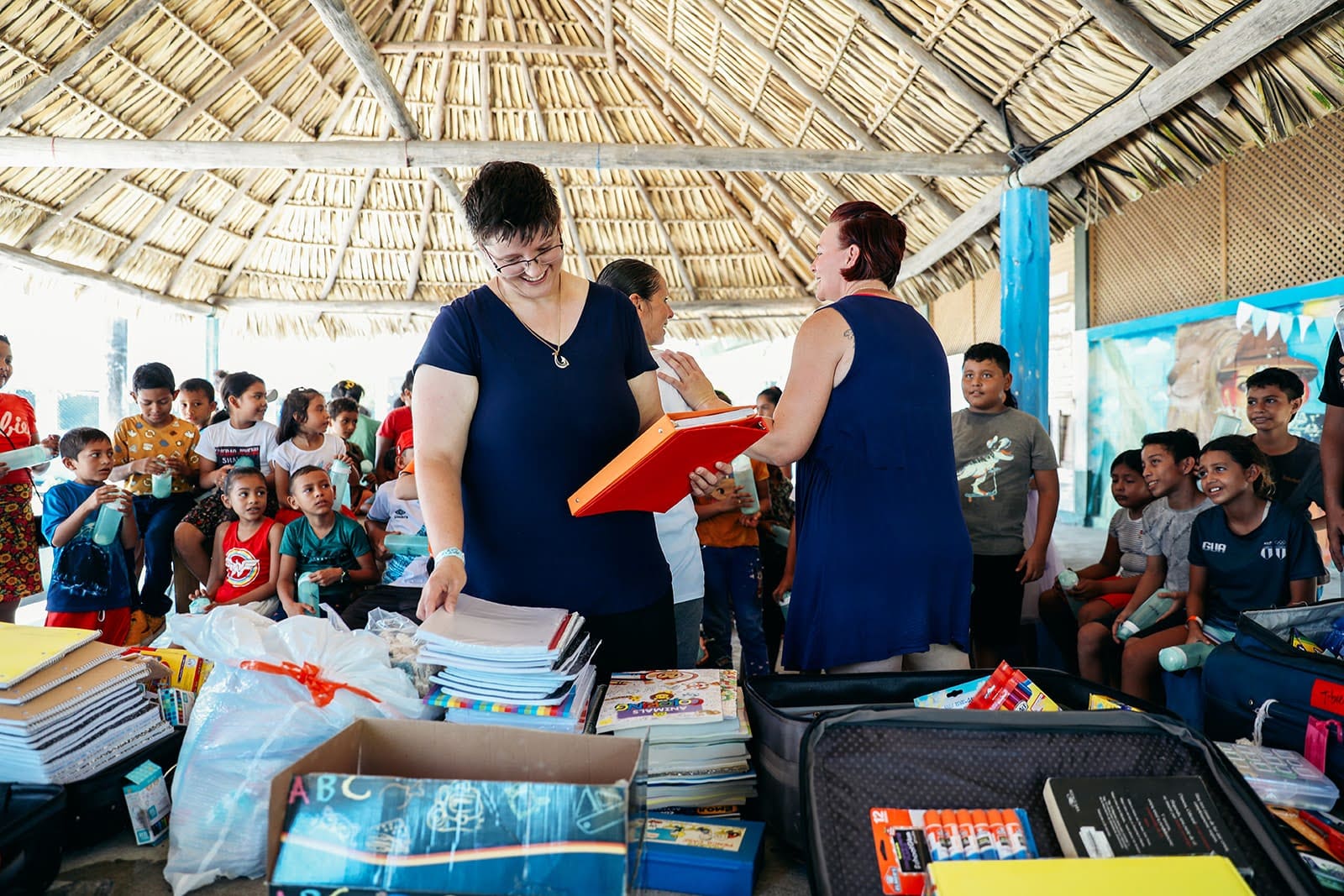
- Organizing school supplies
- Spending time with students through simple mentoring
These roles do not ask for teaching licenses. They ask for presence, attention, and time.
Community Development And Family Support Projects
Some volunteer work happens directly with families and local groups.
This can look like:
- Organizing materials for workshops
- Helping with community events
- Supporting small cooperative projects
- Visiting homes with local staff
The work follows local priorities. That matters because it keeps the support useful and grounded in what families already need.
Corporate And Entrepreneur Sponsorship Trips
Some business owners and work teams join these trips too. They use the trip as a way to connect service with long-term support.
These trips often include:
- Group volunteer projects
- Child sponsorship programs
- Education funding support
- Team reflection and planning sessions
For some travelers, the trip ends at the airport. For others, it starts a longer commitment. They stay connected, support a child’s education, or help fund local programs they saw up close. That is often what makes the trip stick with people long after they leave.
Why San Andrés And Lake Atitlán Matter In These Programs
San Andrés Semetabaj is where much of the volunteer work begins, and there is a practical reason for that. It is close enough to Lake Atitlán to give travelers access to the region, but it is also tied into local communities where long-term projects are already in place.
That matters because good volunteer work depends on trust. In San Andrés, many of these relationships have been built over time. Local families know the teams, and the projects are already part of daily community life.
The area offers:
- Strong indigenous community ties
- Local partnerships that are already active
- Health clinics within a reasonable distance
- A quieter setting for deeper community connection
Antigua Guatemala is different. It is often part of the trip, but usually for one day. People visit to see the old churches, stone streets, and historic buildings. It gives helpful background on the country’s history, but it is not where the volunteer work happens.
Health And Safety Considerations For Senior Volunteers

Traveling to Guatemala, especially in higher mountain areas, takes some planning. For senior volunteers, health needs should be part of that planning from the start.
San Andrés Semetabaj sits at 7,047 feet (2,148 m) above sea level. For some people, that change in elevation can be felt fast. The first day may bring headaches, tiredness, or shortness of breath.
This can be harder for people with:
- Heart conditions
- Breathing problems
- Little experience at high altitude
Talking to your doctor before the trip is a smart step, especially if you are over 60 or take regular medication.
Most organized programs help lower the risk by offering:
- Access to nearby clinics
- Guides who know the area and the pace of the trip
- Daily schedules built with rest in mind
- Emergency planning if something goes wrong
The goal is not to rush. Most days are paced so people can work, rest, and adjust.
Cultural Experience And Daily Life In Volunteer Programs
Credits: Be Humanitarian
The volunteer work is one part of the trip. Daily life outside the projects often leaves just as strong an impression, creating a kind of humanitarian adventure where service and cultural connection naturally overlap.
In villages near Lake Atitlán, culture is part of everyday life. It is not set up for visitors. You see it in the markets, the clothes people wear, and the way families gather.
Common experiences include:
- Walking through local markets filled with handwoven textiles
- Seeing Mayan traditions in everyday routines
- Learning how farming changes across the lake’s different climates
- Eating traditional Guatemalan meals with local families
- Joining community gatherings and local events
These moments are often the part people remember most. The service work gives you a reason to be there, but the daily conversations and shared meals are what make the place feel real.
What Makes Senior Volunteer Travel In Guatemala Different
Senior volunteer travel in Guatemala feels different from many volunteer abroad programs because it is built for a different stage of life. The pace is steadier. The plans are clearer. And the work is shaped around helping, not pushing people past their limits.
Research from Frontiers in Psychology shows
“Retired and senior volunteers are more protected from the hazards of retirement, physical decline, and inactivity than people of the same age who do not perform volunteer work, if voluntary activities enhance the integration of older people into society, their participation will help to generate economic resources and improve their own welfare.” – Frontiers in Psychology
A lot of general volunteer programs are made for younger travelers who can handle loose plans and heavier physical work. Senior programs are more structured. That makes the trip easier to step into, especially for retirees or working adults who want to focus on the experience instead of figuring out the details.
| Feature | Senior Volunteer Travel | General Volunteer Programs |
| Schedule | Structured 8–11 days | Open-ended |
| Physical Demand | Moderate | Often high |
| Guidance | Fully guided | More independent |
| Focus | Community-based support | Task-based labor |
| Participants | Retirees, professionals | Students, gap-year travelers |
That structure gives people room to settle in. You know where you are going, what the day looks like, and who is leading it. For many travelers, that makes the work feel more meaningful because less energy goes into logistics.
Child Sponsorship And Long-Term Impact Pathways
For many travelers, the trip does not end when they leave San Andrés Semetabaj. What they see there often stays with them.
Be Humanitarian builds on that by offering ways to stay involved after the trip. Some people decide to support one child through ongoing sponsorship, while others make donations to help fund bigger community needs.
That support often includes:
- Child education sponsorship
- Funding for nutrition programs
- School supplies and classroom resources
- Community building and repair projects
This part matters because it turns a short visit into something longer. Instead of helping once and moving on, volunteers can stay connected to the families and projects they came to know.
For many senior travelers, that ongoing connection becomes the most important part. The trip opens the door, but the relationship often keeps going long after the flight home.
FAQ
Who can join a volunteer abroad program in Guatemala safely?
Most people can join a volunteer abroad program in Guatemala, including students, adults, and seniors. You only need basic health and a willingness to help.
Volunteer programs place people in local projects in Guatemala City, Lake Atitlán, and rural areas. A Program Manager and local partners guide volunteers, support safety, and help with daily activities and cultural understanding.
What volunteer work focuses on medical care and community development in Guatemala?
At Be Humanitarian, volunteer work centers on nutrition programs, education support, and community development in San Andrés Semetabaj. Volunteers help with things like distributing water filters, supporting English classes, spending time with children, and tending community garden towers.
These programs build on years of trust with rural Guatemalan families. Children recognize returning volunteers by name. Laughter comes easily, whether it is during a soccer game in the afternoon or while sharing a meal with a host family at the end of a full day.
How does living with a host family support cultural learning in Guatemala?
A host family helps you learn Guatemalan culture in a natural way. You share Guatemalan cuisine, practice daily customs, and improve simple Spanish language skills.
Living locally shows how families live near markets and cobblestone streets. You also learn about Mayan culture and traditions through everyday conversations, making the volunteer experience more personal, respectful, and meaningful every day.
Do I need Spanish language skills for volunteer opportunities in Guatemala?
Spanish language skills are not required for most volunteer opportunities in Guatemala. However, Spanish Immersion helps you communicate better with local projects and people.
Many volunteers learn basic Spanish during their stay through practice and lessons. This makes it easier to support community development, talk with elderly people, and understand Guatemalan customs in daily life and work settings.
What should I expect from volunteer vacation costs and program length in Guatemala?
A Be Humanitarian volunteer trip runs 8 to 11 days, based in San Andrés Semetabaj near Lake Atitlán. The schedule is set, the team is local, and the community has been welcoming volunteers for years.
Be Humanitarian trips include housing, meals, and full local support. All service work is based in San Andrés Semetabaj near Lake Atitlán, where long-term relationships with the same families and children make every return visit feel like coming home.
Why Senior Volunteer Travel in Guatemala Matters
You’ve done the usual trips, seen the sights, and maybe felt like something was missing. Travel can feel empty when it’s only about moving around. That’s the truth. In Guatemala, you get more than a trip, you get real connection with local people and work that matters.
With Be Humanitarian, your time can support local families and community projects in a simple, guided way. It’s travel with purpose, built for real impact and real comfort. If you’re ready for meaningful change, start your senior volunteer travel journey today.
References
- https://www.brookings.edu/articles/perceived-impacts-of-international-service-on-volunteers-interim-results-from-a-quasi-experimental-study/
- https://www.frontiersin.org/journals/psychology/articles/10.3389/fpsyg.2019.02647/full
Related Articles
- https://behumanitarian.org/guatemala-volunteer-trip-questions/
- https://behumanitarian.org/blog/best-volunteer-vacation-programs-guatemala/
- https://behumanitarian.org/humanitarian-adventure-the-perfect-fusion-of-travel-and-purpose/