
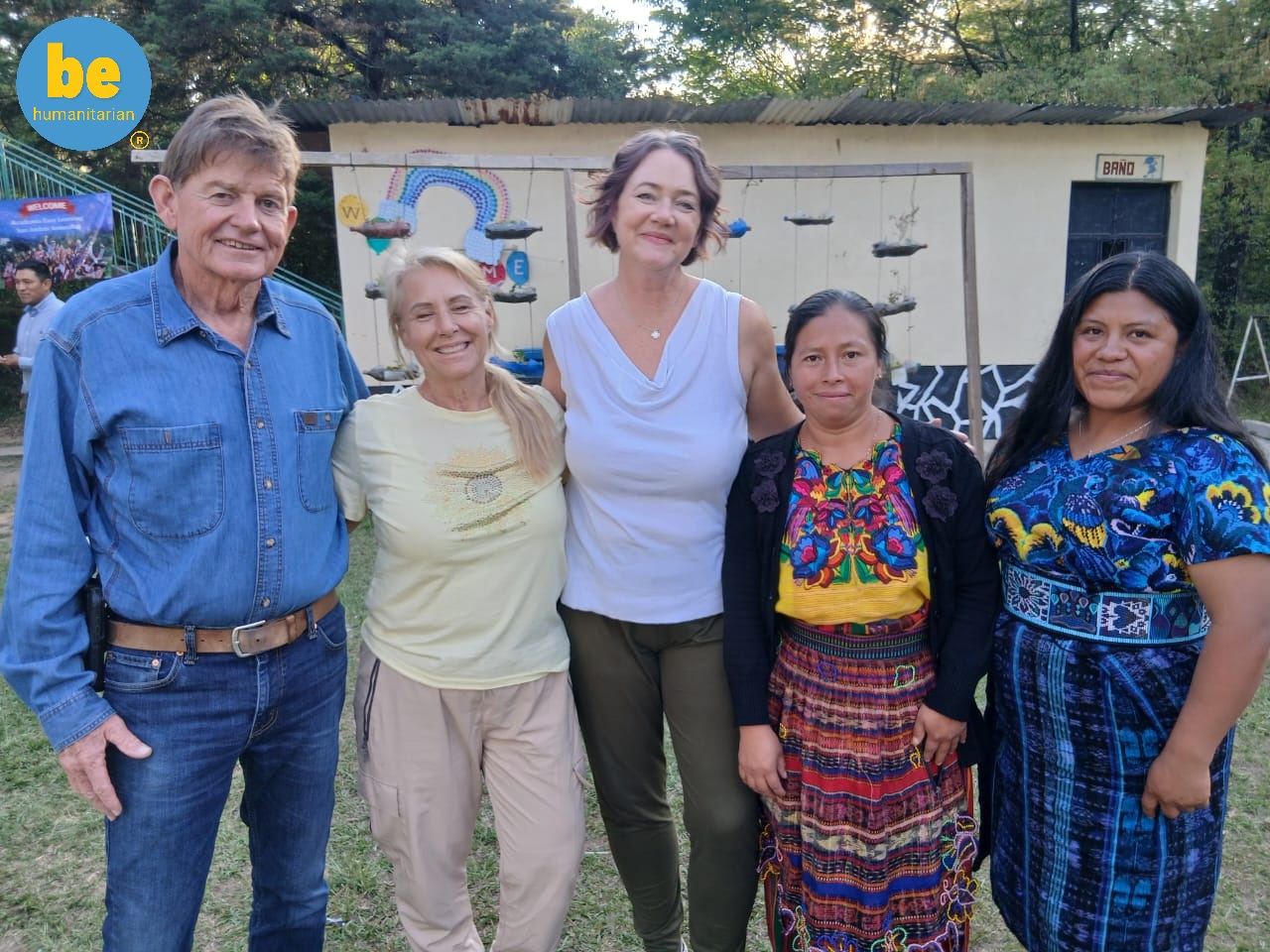
Seniors choose a volunteer vacation in Guatemala for meaningful travel that mixes cultural life with community work, especially near Lake Atitlán in the village of San Andrés.
Programs there are well organized and offer 8–11 day curated trips led by Tobie Spears and a local team, with roles that do not require heavy physical effort, which suits retirees.
Older travelers make up a meaningful share of volunteer travelers, especially in programs that combine service with cultural immersion. Many want trips with purpose, not passive sightseeing. Guatemala stands out for its culture and strong local programs. For those with time and resources, it offers connection and a clear way to support long-term change.
Keep reading to see how it works.
Why Seniors Choose Guatemala Volunteer Travel
- Seniors often choose places like San Andrés (near Lake Atitlán) for steady, purpose-driven travel.
- Ethical programs focus on education, nutrition, and real community needs rather than short projects.
- Many trips also link to long-term support through child sponsorship that empowers families in Guatemala, funding education and nutrition programs.
What Are the Best Guatemala Volunteer Programs For Seniors?
The best volunteer vacation programs Guatemala offers are built with local partners, run 8–11 days, and offer gardening roles that do not demand heavy physical work. Most focus on education, basic healthcare support, and community projects.
Programs in San Andrés (near Lake Atitlán) draw many older volunteers. We have hosted volunteers over age 70. These areas are easier to navigate and have long-running support systems. Volunteer listings show that Guatemala attracts older travelers seeking structured service experiences.
The strongest programs are community-led. Volunteers support existing systems; they do not run them. Projects are not short-term drop-ins. They support work already started by local groups. Many combine education, nutrition, and family support so the effort continues after volunteers leave.
Here is a simple comparison:
| Program Type | Weekly Cost | Focus Areas | Accommodation |
| Community-Based Programs | Fees vary by organization, housing, and level of in‑country support; many are designed to be budget-conscious while still covering basic program costs. | Education, family support | Homestay in San Andrés with experienced guide on-site |
| Curated Programs (Be Humanitarian model) | Transparent donation and fee structure that includes housing, most meals, in‑country support, and direct funding for education and nutrition programs | Children, families, education, nutrition, and community gardening projects | Host family |
Typical features include:
- Curated 8–11 day trips
- Orientation and in-country support led by Tobie Spears + local team
- Options to sponsor a child and empower families through education
Insights from The CDH Chronicle indicate
“My favorite part of the trip was experiencing Guatemalan culture and living within the community of San Lucas. During our time there, life felt simpler and less burdened by distractions, allowing us to be fully present and take in our surroundings and what the mission was teaching us. The local community’s warmth and the mission’s daily rhythm offered a refreshing reminder of the beauty in a more intentional and uncomplicated way of living.” – The CDH Chronicle
Many travelers research which Guatemala volunteer programs accept seniors to find opportunities tied to long-term community work, where they assist local teams instead of leading projects themselves.
Are Guatemala Volunteer Vacations Ethical Or Just Voluntourism?
Credits: Be Humanitarian
Some programs are helpful. Others are not. The difference comes down to who leads the work and whether it continues after volunteers leave.
Ethical programs follow a few clear rules. Local groups plan the work. Volunteers fill gaps instead of taking over. Projects connect to long-term needs like schooling or food access.
There are still problems in this space. Some programs charge high fees without showing results. Be Humanitarian focuses on sustainable investment and responsible service travel.
Stronger programs tend to focus on:
- Nutrition programs for families
- Ongoing education support
- Relationships that continue after one visit
Some volunteers stay involved by supporting a child’s education over time, which creates a steady link between visits.
What Does A Typical Senior Volunteer Week In Guatemala Look Like?
A typical week feels full but not frantic. Seniors usually spend most of the day out in the community, visiting families, installing garden towers, and reading or playing with children before unwinding after dinner.
Mornings are when most of the hands-on work happens: visiting preschool classrooms, helping children with simple lessons, delivering garden towers and water filters, and checking in with local families. The focus is connection and consistency, not rushing
Afternoons usually blend lighter service with slower moments: you might help with follow-up visits to family gardens, join a casual game with neighborhood kids, or practice a bit of Spanish in town before heading back for dinner.
Simple daily rhythm:
- Morning: 4–5 hours of volunteer work with children and families (schools, garden towers, nutrition support)
- Afternoon: 1–2 hours of lighter community activities or follow-up visits
- Evening: shared dinners and relaxed time to reflect with your group or host family.
Weekends are open for travel. Popular trips include Lake Atitlán, local markets, and nearby villages.
This slower pace makes it easier to stay engaged without feeling worn out.
Can Seniors In Their 60s Or 70s Safely Volunteer In Guatemala?
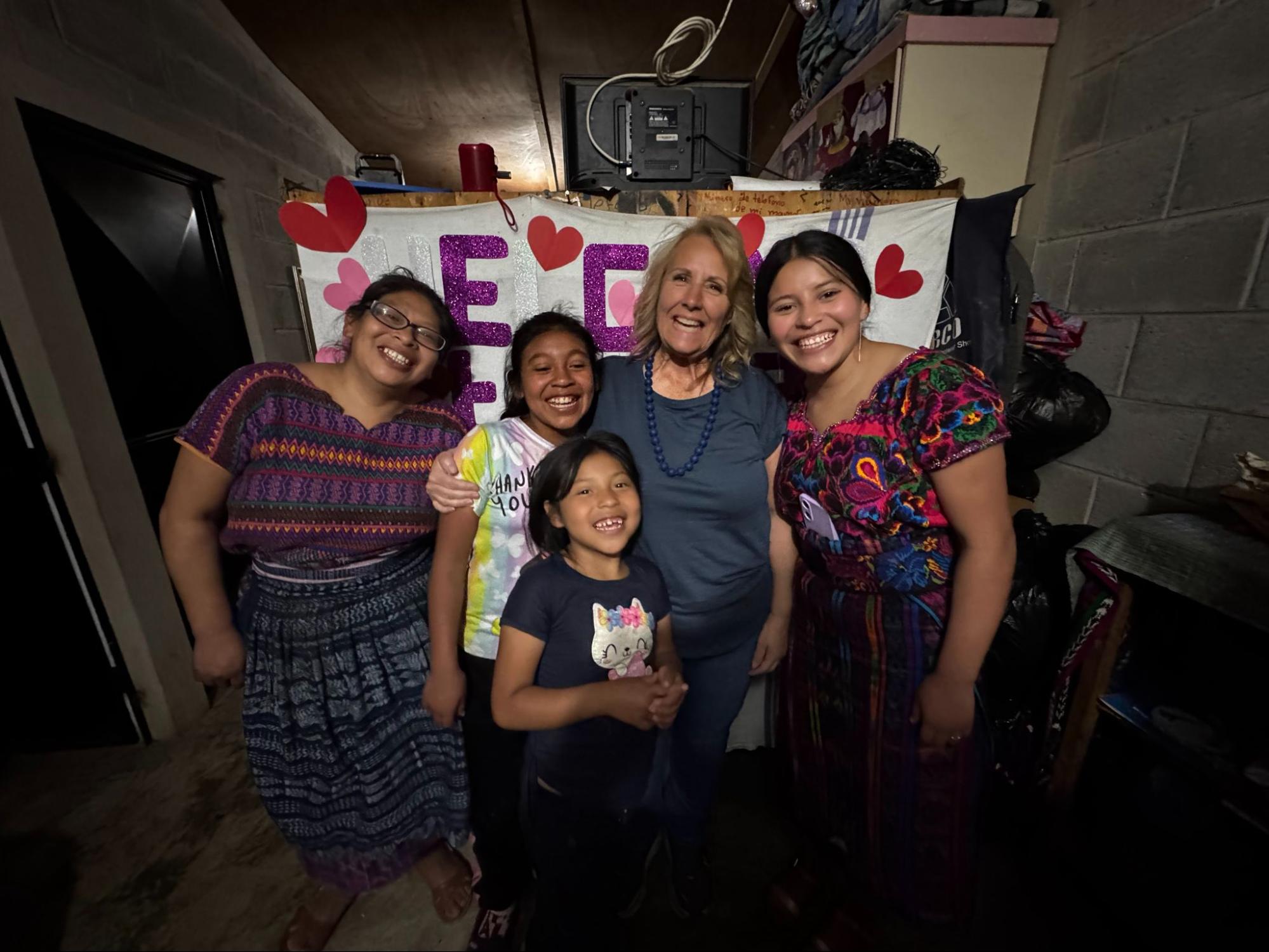
Yes, with planning and the right program, we have hosted volunteers in their 60s and 70s. An experienced guide is present at all times, and nearby clinics are accessible.
San Andrés is near Lake Atitlán with access to nearby clinics. An experienced guide is present throughout the trip. Many programs include airport pickup, orientation, homestays or volunteer housing, and in-country support.
Safety basics often include:
- Organized transportation
- Access to clinics and pharmacies
- 24/7 local contacts
As highlighted by Avon Old Farms School
“Several students illustrated integrity when they chose to spend their March break in Guatemala building houses for those in need. The group of volunteers joined a construction crew from the organization From Houses to Homes in Santa María de Jesús, a town in southern Guatemala, where over the course of a week they built two fully-habitable houses, starting with pouring a foundation on Monday to painting the interior on Friday.” – Avon Old Farms School
Health factors matter too. San Andrés sits at 7,047 ft (2,148 m) above sea level. Seniors with heart or respiratory conditions should consult their doctor before travel. Most people adjust within a few days.
Comfort is part of the setup:
- Private or shared homestays
- Two meals per day
- Reliable water and WiFi
These details make the experience more manageable for older travelers.
What Types Of Volunteer Work Are Best For Seniors?
The best roles use experience, not physical strength.
Programs in Guatemala offer roles that fit a wide range of backgrounds. Research from AARP shows older adults often do well in mentoring and education.
Common options include:
- Teaching or tutoring children
- Supporting preschool and after-school activities
- Helping with nutrition and garden projects for families
- Community projects such as distributing school supplies, stoves, or water filters
Some programs also include gardening tied to food access. These projects connect volunteers with families and daily life in a direct way.
The work is steady, personal, and built on relationships.
How Much Do Guatemala Volunteer Trips Cost For Seniors?
Program costs vary widely, but accommodation, meals, airport pickup, and support are often included. The price depends on the program, where you stay, and how long you go.
Guatemala remains one of the more affordable options for structured volunteer travel, which makes it practical for retirees on a fixed budget.
Most program fees include:
- Accommodation
- Two meals per day
- Orientation and local support
Extra costs to plan for:
- Flights ($400–$900)
- Travel insurance
- Lunch (about $3–5 per day)
Longer stays may offer better value on a per-week basis, depending on the provider.
How Can Seniors Choose The Right Program In Guatemala?
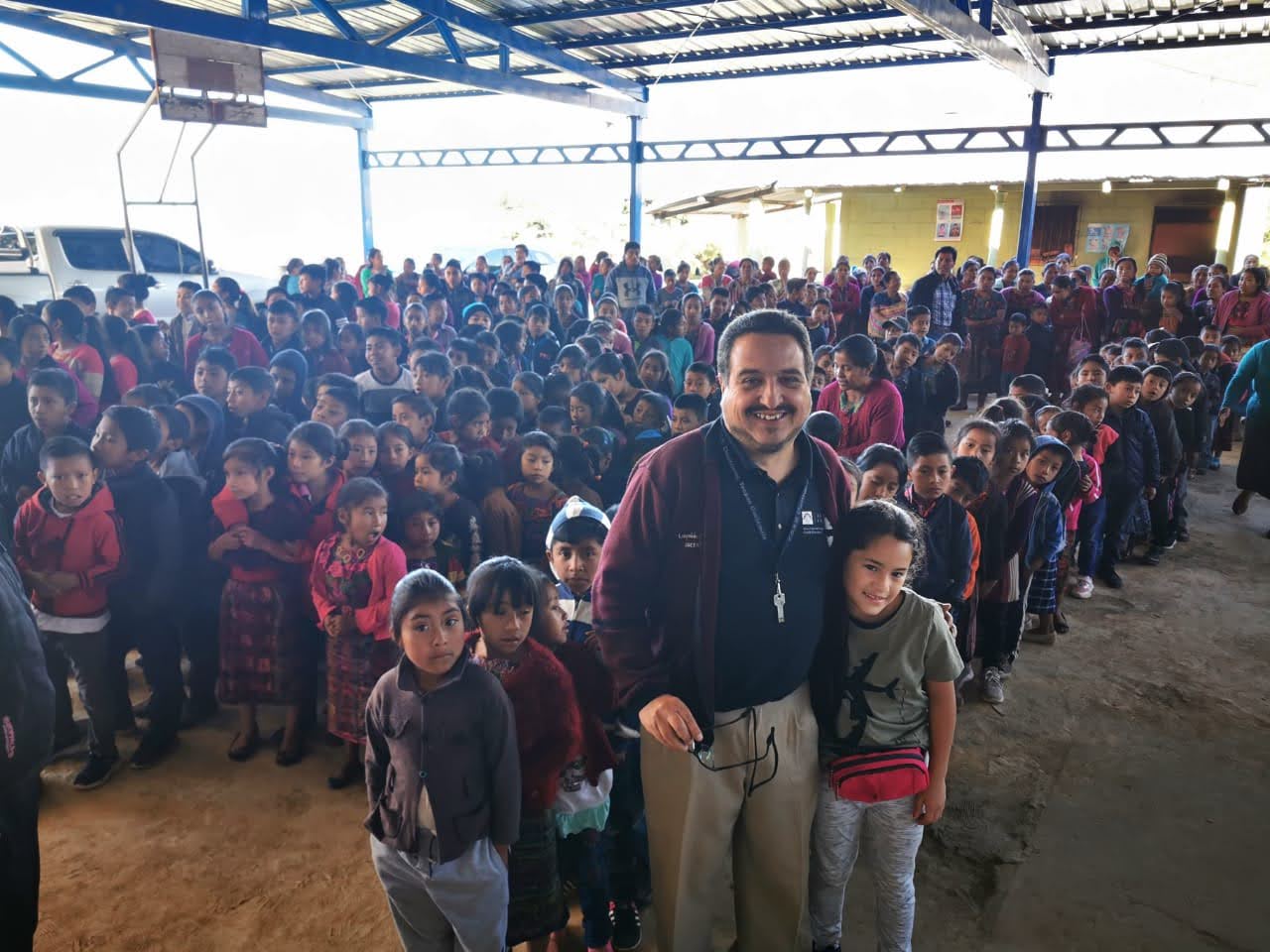
Choosing a program takes more than comparing prices. Structure and transparency matter just as much.
Groups like Charity Navigator point to clear reporting and accountability as signs of a reliable program. If details are vague, that is a red flag.
A simple checklist:
- Is the program led by local organizations?
- Are volunteer roles clearly explained?
- Does the work continue long-term?
- Are accommodations comfortable?
Programs that last usually focus on steady work in education, nutrition, and community support. Some also offer ways to stay involved after the trip, without pressure.
Best Time Of Year For Seniors To Volunteer In Guatemala
The dry season, from November to April, is the easiest time to travel.
Rainfall is lower during these months, which makes moving between towns more reliable and daily schedules easier to follow.
What to expect:
- Temperatures around 22–28°C
- Better road conditions
- Fewer weather delays
December through March is the busiest period. Programs still run year-round, so quieter months are an option if you want fewer crowds.
How Do Volunteer Trips Turn Into Long-Term Impact?

A short visit matters more when it connects to work that continues after you leave.
Programs linked to gardening, nutrition, and education tend to produce stronger long-term results.
Common areas of impact:
- Ongoing education for children
- Follow-up care through local clinics
- Food support through gardening projects
Some travelers stay involved after their visit by supporting a child or family over time. That steady support helps build trust and keeps progress moving.
FAQ
What are the best Guatemala volunteer vacations for seniors starting out?
The best Guatemala volunteer vacations for seniors are structured, supportive, and easy to join. The strongest programs include clear orientation, flexible schedules, and roles that match different energy levels. In places like San Andrés near Lake Atitlán, seniors can ease into the rhythm of local life while joining a guided, small‑group volunteer trip with steady on‑the‑ground support.
Are there affordable volunteer trips Guatemala offers for retirees?
Yes, Be Humanitarian focuses on responsible service travel that supports education and community projects in Guatemala. Most volunteer vacations for retirees include accommodation and meals, which helps control overall costs. Longer stays can sometimes reduce weekly costs, which helps retirees stretch their travel budget. With Be Humanitarian, trip fees also help sustain education, nutrition, and community projects long after your visit ends.
Can seniors join short term volunteer placements Guatemala safely?
Yes, with planning and the right program, we have hosted volunteers in their 60s and 70s. Many senior‑friendly programs include airport transfers, local orientation, and continuous support. At Be Humanitarian, low‑impact roles focus on reading with children, helping with simple lessons, and supporting family garden and nutrition projects rather than clinical or residential care work
Do Guatemala volunteer trips include cultural immersion experiences?
Most senior‑friendly volunteer trips in Guatemala include strong cultural immersion. You can expect homestays or locally owned guesthouses, shared meals, visits to nearby villages and markets, and plenty of time to talk with families and staff. Some programs also weave in basic Spanish practice so you can connect more easily day to day
What types of low impact volunteer work Guatemala offers seniors?
Senior‑friendly projects often include teaching, mentoring, and simple education support with children. Many also involve gardening and food‑security work, like helping families care for garden towers or assisting with nutrition programs. These roles let older adults contribute consistently without heavy physical strain while supporting work that continues year‑round.
Is It Worth It In The End?
You want your time to matter, not just pass by while you travel and check off places. Sitting around gets old fast. These trips give you a real role, you meet people, you see change up close, and you feel it. That’s the difference.
If you’re ready for something that feels useful and personal, Be Humanitarian offers Guatemala volunteer vacations that combine service, culture, and community support. It’s simple to start, and it grows with you over time. Explore purpose-driven travel and see where it takes you.
References
- https://cdhchronicle.org/981/news/guatemala-new-perspectives-from-a-new-place/
- https://www.avonoldfarms.com/avon-outreach-abroad-student-service-trip-to-guatemala
Related Articles