
To plan a meaningful retirement in Guatemala, start with your goals, budget, healthcare needs, and preferred community. Take time to experience daily life and explore ways to give back through volunteering or child sponsorship.
While Guatemala’s dramatic volcanic landscapes and low living costs draw many retirees, building a fulfilling life here requires thoughtful preparation beyond finding cheap rent.
True integration comes from understanding local healthcare, navigating residency, and building respectful, long-term relationships with local communities, such as supporting family-led initiatives near Lake Atitlán through Be Humanitarian.
Keep reading to learn how to prepare for retirement while building lasting, respectful relationships with the people and communities around you.
Planning Your Guatemala Retirement
- Plan your budget, healthcare, insurance, and residency before deciding to retire in Guatemala.
- Visit your preferred area, learn local customs, practice Spanish, and experience daily life beyond tourist spots.
- Explore community volunteering or child sponsorship through Be Humanitarian if you want to support local families during retirement.
How Can You Plan a Meaningful Retirement Beyond Lower Living Costs?
A meaningful retirement in Guatemala means having time for the people and activities you care about. It also means finding ways to connect with local communities while keeping your finances and health in good shape.
Living costs may be lower than in North America, but expenses still add up. Budget for housing, transport, insurance, medication, and unexpected travel. Around Lake Atitlán, access to healthcare, language barriers, and the effects of tourism on local communities are also worth considering.
Think about how you’d like to spend an ordinary day. You might practice Spanish, share your work skills with a local project, or join community activities.
Volunteering is one way to get involved. Near Lake Atitlán, local projects focus on education, nutrition, home gardens, and clean water filters. Volunteers can support this work by following local guidance and helping with tasks the community has identified as useful.
A retirement with a sense of purpose might include:
- Joining community projects led by local people.
- Learning Spanish and local customs.
- Saving for healthcare and unexpected expenses.
- Supporting children and families through regular contributions.
You don’t have to move to Guatemala to make a difference. An annual volunteer trip and child sponsorship may suit you if you’d prefer to keep your current home and routine.
How Do You Define What a Meaningful Retirement Looks Like?
A meaningful retirement gives you time for the people and activities you care about, without putting your health or finances at risk.
Before choosing a town in Guatemala, think about how you want to spend your days. A retired teacher might enjoy helping with English classes when local groups ask for support. A business owner could share budgeting or marketing skills with an organization that needs them.
If you enjoy travel, planning a volunteer vacation in Guatemala could be a meaningful way to experience local life and contribute to community projects while deciding whether a longer stay is right for you.
Be Humanitarian offers one way to connect your interests with projects shaped by local communities. Sustainable volunteer work prioritizes community leadership, ensuring that expatriates support existing local initiatives rather than imposing external solutions.
Research from the American Journal of Preventive Medicine shows
“With further research, volunteering is an activity that physicians might suggest to their willing and able patients as a way of simultaneously enhancing health and society.” – American Journal of Preventive Medicine
Ask yourself these questions before making a commitment:
- What skills can I share in a way that respects local needs?
- How much time can I give without affecting my health or personal life?
- Which relationships would I like to build in the community?
- Can I afford to keep making financial contributions over several years?
- What would make my retirement feel worthwhile?
Your answers may change once you spend time in Guatemala. Give yourself room to learn from residents and adjust your plans. Choose commitments you can keep without putting too much pressure on yourself.
Which Guatemalan Community Fits Your Retirement Plans?
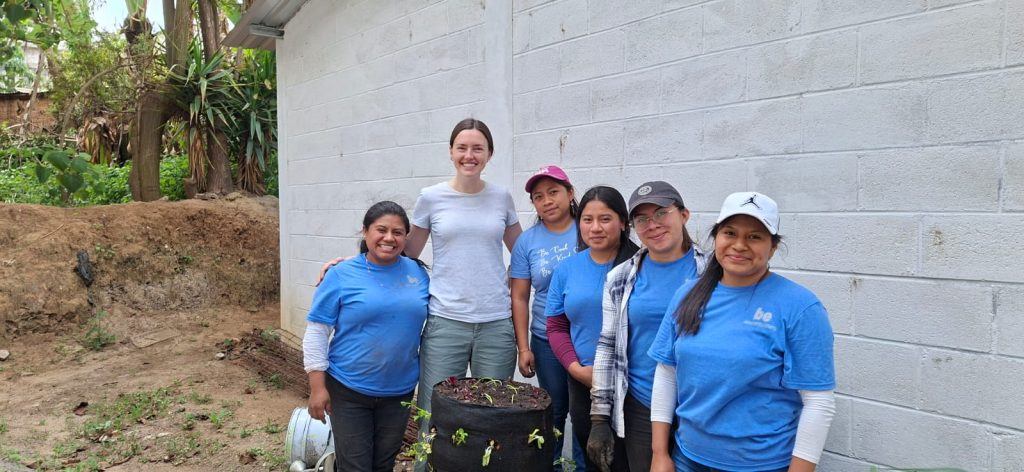 The right place to retire depends on your budget, healthcare needs, transport options, language goals, and daily routine.
Guatemala has several places worth exploring, but life can look quite different from one town to another. Antigua, Lake Atitlán, and Xela (Quetzaltenango) are good places to start your research. If possible, visit before deciding where to settle.
| Location | What To Consider |
| Antigua | Access to services, housing costs, tourism, and daily convenience |
| Lake Atitlán | Rural life, local relationships, transport, and access to medical care |
| Xela | Climate, chances to practice Spanish, local services, and daily life |
If you want to volunteer with Be Humanitarian, its community projects are based in San Andrés near Lake Atitlán. Antigua is a stop on the volunteer itinerary, not the main project site. Keep this in mind when deciding where you want to live and build relationships.
Before choosing a location, take these steps:
- Visit at different times of the year, if possible.
- Check transport options, internet access, and nearby clinics.
- Talk with local residents and community groups.
- Practice Spanish and learn about local customs.
- Rent before buying property.
Lake Atitlán may appeal to you for its views and slower pace, but daily life involves more than the scenery. Spend enough time there to learn about transport, weather, shopping, and healthcare access before making a long-term decision.
How Should You Budget For Retirement In Guatemala?
Plan your budget around your daily needs, healthcare costs, unexpected expenses, and any money you want to set aside for volunteering or child sponsorship.
While baseline expenses vary widely by region, most expatriates budget between $1,400 and $2,200 per month for a comfortable lifestyle in areas like Antigua or Lake Atitlán.
Because rental markets, imported goods, and private insurance rates fluctuate, use published expat indices and personal budgeting worksheets rather than informal online estimates to calculate your baseline. Your actual costs may be higher or lower.
Your budget will depend on your housing, medical needs, insurance, travel habits, and changes in exchange rates. Estimate your monthly expenses using the categories below.
| Budget Category | What To Include |
| Housing | Rent, utilities, maintenance, and deposits |
| Everyday Living | Food, transport, phone, internet, and household needs |
| Healthcare | Insurance, prescriptions, appointments, and emergency care |
| Legal And Financial Costs | Residency paperwork, professional advice, banking, and document preparation |
| Emergency Savings | Unexpected medical costs, travel, and possible evacuation |
| Giving And Volunteering | Child sponsorship, volunteer trips, and other ongoing commitments |
Keep sponsorship and volunteer travel costs separate from your basic living expenses. Be Humanitarian offers different sponsorship levels to support children’s education and nutrition. Choose an amount you can afford to maintain without using your emergency savings or putting your retirement finances at risk.
Plan for changes, too. Expenses that seem affordable during a short visit may be different after a year of living in Guatemala.
What Healthcare Arrangements Should You Make Before Moving?
Check your insurance, medication needs, emergency transport, and access to medical care before choosing where to live.
Healthcare needs can affect whether a larger city or a rural community near Lake Atitlán is right for you. Local clinics may handle routine health concerns, but specialist care or a major emergency may require travel to a larger medical center. Research travel times and transport options before deciding where to settle.
Before moving, review these healthcare needs:
- Insurance: Compare local and international plans. Check exclusions, deductibles, rules for existing conditions, and emergency medical transport coverage.
- Medication: Check whether your prescriptions are available and how much they cost.
- Medical Records: Keep your medical history, medication list, and generic drug names where you can access them. Spanish translations may also help.
- Emergency Plans: Find nearby clinics and hospitals, check transport options, and identify someone who can help if an emergency occurs.
According to the U.S. Centers for Disease Control and Prevention (CDC),
“Travelers should review destination-specific health guidance before visiting Guatemala.”-U.S. Centers for Disease Control and Prevention (CDC)
If you have ongoing medical needs or take prescription medication, discuss your travel plans with your healthcare professional to prepare for your stay.
Consider The Elevation Before Volunteering
Community projects in San Andrés sit at an elevation of approximately 7,047 feet (2,148 meters). Because daily volunteer schedules involve 5 to 7 hours of active physical work, such as walking on steep terrain or distributing equipment, consult your physician prior to travel, particularly if you have cardiovascular or respiratory conditions.
The trip includes an experienced guide and access to nearby clinics, but these services do not replace medical advice or travel insurance.
How Can You Prepare For Residency And Financial Responsibilities?
 Plan for residency, taxes, banking, and important documents before moving to Guatemala. A qualified professional can explain which rules apply to your situation.
Guatemala provides temporary and permanent residency options under the Pensionado (pensioner) and Rentista (foreign income) visa categories.
Because document requirements, including apostilled background checks and proof of monthly income, may change, consult a qualified Guatemalan immigration attorney early in your planning process.
Residency requirements can vary depending on your circumstances and the type of application. Review the latest requirements with the relevant Guatemalan immigration authorities and speak with a qualified immigration professional before applying.
Use this checklist to prepare:
- Ask a Guatemalan immigration attorney which residency option suits your situation.
- Confirm the income or pension records, identity documents, and police certificates you need.
- Ask tax professionals who understand Guatemala and your home country about your tax duties.
- Check your banking options and access to emergency funds.
- Find out how moving abroad could affect your insurance, taxes, and financial accounts.
Keep copies of important documents and allow time for translations, apostilles, or other required steps. Professional advice can help you avoid delays, especially if your income, citizenship, or family situation is complex.
How Can You Test Retirement Life Before Relocating?
Credits : Be Humanitarian.
Spend time in your preferred area before signing a long lease, buying property, or making major financial decisions.
A trial stay helps you see what daily life is really like. You can test local transport, internet access, shopping, healthcare, and the pace of life. You can also practice Spanish and see how easy it is to build relationships with local residents.
Use these six steps to plan your visit:
- Choose a community that fits your needs and interests.
- Rent a place and experience everyday routines.
- Check transport, internet access, shopping, and nearby medical services.
- Practice Spanish and talk with local residents.
- Join a guided volunteer activity through an established organization.
- Review your expenses and expectations before making long-term plans.
Be Humanitarian offers Travel With Us programs lasting 8 to 11 days, led by Tobie Spears and the local team. The itinerary includes volunteer work in San Andrés near Lake Atitlán and a one-day visit to Antigua. This gives you a chance to learn about local projects before deciding whether to move.
The program supports projects led by local communities. Volunteers work alongside local staff and families rather than taking charge of existing efforts. After your visit, you can decide whether child sponsorship or future volunteer trips fit your retirement plans.
How Can Child Sponsorship Support Your Retirement Goals?
 Regular child sponsorship can help you support local programs focused on education, nutrition, and family needs over time.
If you want to stay involved after a volunteer trip, Be Humanitarian’s child sponsorship program offers a way to continue supporting children and families. Its programs include support for meals, English learning, education, and families.
Be Humanitarian lists different sponsorship levels in its program information. Confirm the current amounts and what each level supports directly with the organization before making a commitment.
Select a monthly sponsorship tier that aligns comfortably with your fixed retirement budget. Sponsoring a child funds holistic community infrastructure, including educational materials, nutrition programs, and family assistance, creating stable environments for long-term growth without overextending your personal finances.
Regular support can help you follow program updates and learn about a child’s progress over time. It can also help you feel connected to the community without placing the responsibility for a child’s future on one sponsor.
How Can Retired Professionals And Entrepreneurs Share Their Skills?
Retired professionals and business owners can share useful skills when local organizations ask for their help and guide how the work is done.
Money isn’t the only thing you can contribute. Years of work may have given you experience in accounting, teaching, logistics, communications, technology, fundraising, or small-business planning. These skills can help when they match a real need and local staff remain in charge of decisions.
Be Humanitarian’s community projects include education, nutrition, gardening, water filters, clean cookstoves, and family support. Depending on local needs, volunteers may take part in activities such as:
- Teaching And Mentoring: Help with English classes and learning activities under local guidance.
- Business And Accounting: Share budgeting or planning skills when requested.
- Technology And Communications: Help with approved systems, planning, or outreach.
- Gardening And Nutrition: Join community gardening and food-related activities.
- Fundraising And Sponsorship: Help support programs through responsible, clear funding.
Entrepreneurs may also consider corporate sponsorship as a way to involve employees and support children or community projects. Younger employees or family members can also explore volunteer trips for young adults to find opportunities to contribute through organized volunteer experiences.
A company can begin with a clear commitment, review the available options, and decide whether to continue.
The key is to work as a partner. Volunteers should respect local knowledge, support existing programs, and avoid taking paid work away from local people. The most useful contribution is one that meets a need the community has identified.
How Can You Volunteer Respectfully In Guatemala?
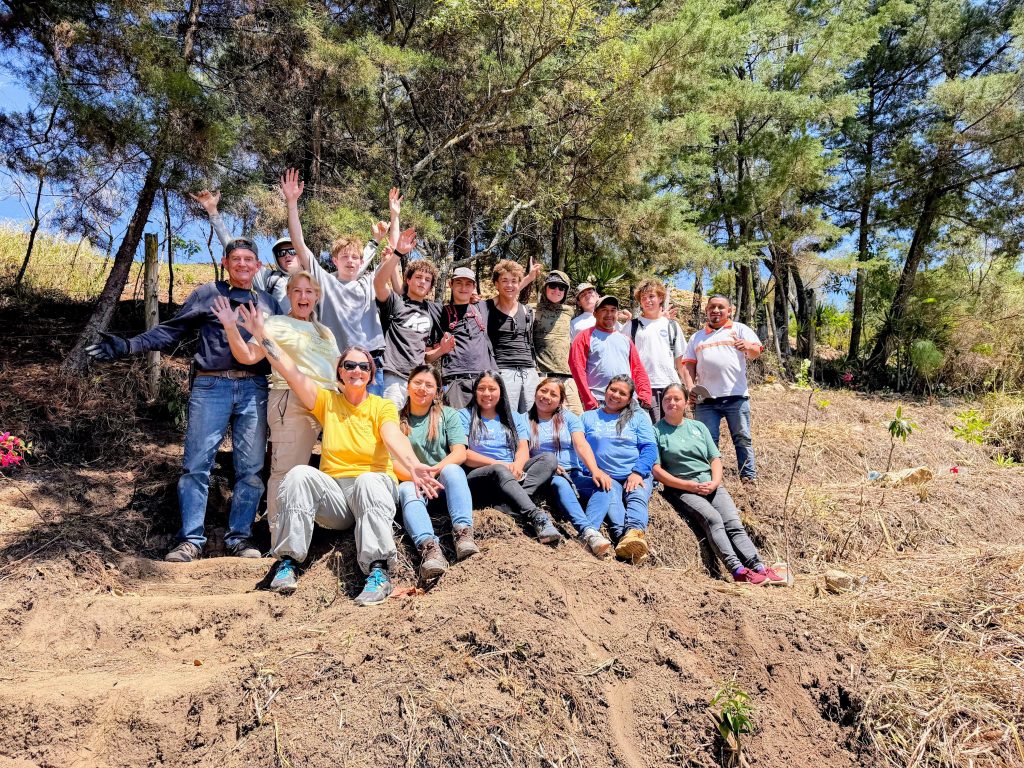 Responsible volunteering begins with listening to residents, following local guidance, and respecting the needs of the people who live there.
Some residents around Lake Atitlán have raised concerns about how expat-driven gentrification and tourism affect local communities. These concerns deserve attention, even when visitors want to help. Good intentions alone are not enough. The way you take part matters, too.
During a volunteer trip, make an effort to:
- Learn local customs and practice Spanish.
- Follow the guidance of local staff and community partners.
- Ask permission before taking photos or sharing personal stories.
- Respect family privacy and child-safeguarding rules.
- Support community-led projects instead of bringing your own solutions.
- Avoid promises of help you cannot keep after returning home.
Be Humanitarian’s volunteer work in San Andrés is guided by Tobie Spears and the local team. Volunteers take part in activities shaped by community priorities, including education, nutrition, gardening, and water-filter projects. The aim is to work alongside residents, not to direct their programs.
Volunteering during retirement can provide a sense of purpose, social connection, and opportunities to stay involved in activities that matter to you.
Choose responsibilities that match your interests, experience, and physical abilities. A manageable commitment that you enjoy is more likely to fit comfortably into your retirement routine.
A typical volunteer day includes around 5-7 hours of service. You might help distribute water filters, assist with English classes, play soccer with children, or take part in community projects. After dinner, the group has time to rest, talk about the day, and prepare for the next morning.
You may leave with good memories, but lasting relationships take time and respect. Follow local guidance, keep appropriate boundaries, and stay in touch through the organization’s usual communication channels.
How Can You Maintain Child Sponsorship After Your Visit?
Choose a sponsorship amount you can afford each month, even when your other expenses change.
Be Humanitarian encourages sponsors to stay involved for at least a year when possible. This gives you more time to follow the program and build a steady connection with the community.
Before signing up, confirm the current sponsorship amount, what it covers, how the organization shares updates, and how visits with sponsored children are arranged. All visits should be planned through Be Humanitarian and the local team. They must respect the child’s family, school schedule, privacy, and comfort.
Keep these points in mind:
- Sponsorship helps fund ongoing education, nutrition, and family-support programs.
- Program updates let you follow progress without expecting a guaranteed result.
- Visits must follow the organization’s child-safeguarding and communication rules.
- Your monthly contribution should remain affordable if your personal expenses increase.
Some retirees may choose sponsorship as their main commitment. Others may return for another guided volunteer trip or involve their business in a longer partnership. You can also combine sponsorship and travel to support children while learning about the community firsthand. Both options can work when they respect local needs and fit your circumstances.
Give yourself the first year to learn, build relationships, and see whether your plans work in practice.
How Can You Turn Your Retirement Plans Into Action?
You don’t need to answer every question before visiting Guatemala. A step-by-step plan gives you time to learn while keeping your options open.
Your plans may change as you gain experience. You might decide to settle in Guatemala, spend part of each year there, or support children and community projects from abroad. Each option can work if it fits your life and finances.
Use this checklist to decide what to do next:
- Write down three goals for your retirement.
- Estimate your monthly expenses and set aside emergency savings.
- Research two or three communities based on healthcare, transport, and lifestyle.
- Confirm residency and insurance requirements with qualified professionals.
- Arrange a trial stay before making major commitments.
- Explore Be Humanitarian’s volunteer trips or child sponsorship if they suit your goals.
- Review your plans after the visit and decide what you can maintain.
A meaningful retirement isn’t about how quickly you move or how much money you give. It’s about making choices you can maintain and building relationships with respect for the people who call Guatemala home.
FAQ
How does the retiring in Guatemala cost of living compare to North America?
The cost of living for retirees in Guatemala is significantly lower than in the United States or Canada. Most expatriate retirees live comfortably on a budget ranging from $1,500 to $2,500 per month, which covers housing, groceries, utilities, and restaurant dining.
Rental housing and locally grown produce offer substantial savings, although purchasing imported products and utilizing private healthcare services will increase monthly expenses.
What are the best places to retire in Guatemala for expats?
Antigua, Lake Atitlán, and Guatemala City are the primary locations where expatriates choose to settle. Antigua features preserved Spanish colonial architecture and walkable cobblestone streets.
Lake Atitlán offers scenic mountain views and a quiet, outdoor-oriented lifestyle. Guatemala City provides modern shopping, international amenities, and specialized hospitals. Each city caters to distinct lifestyle preferences based on whether retirees prioritize historic culture, natural scenery, or urban infrastructure.
How do you qualify for a Guatemala retiree residency visa?
An applicant qualifies for the Pensionado residency visa by providing legal proof of a guaranteed monthly pension or retirement income of at least $1,200. Including a spouse requires an additional $300 in documented monthly income.
Applicants must submit a clean criminal background check, a medical health certificate, and apostilled financial documents to the Guatemalan immigration authority to obtain temporary residency status.
What should you expect from expat healthcare Guatemala services?
Private healthcare services in major urban areas provide high-quality medical care, with many physicians trained in Europe or North America. Medical consultations and surgical procedures cost a fraction of standard Western medical rates.
Most retired expatriates pay out of pocket for routine medical visits and purchase private international health insurance to cover major hospitalizations, because public hospitals face chronic funding shortages.
Is a Lake Atitlan retirement community right for your lifestyle?
A Lake Atitlán retirement community provides an ideal environment for retirees who prefer a tranquil lifestyle surrounded by natural scenery and Maya culture. Towns such as Panajachel, San Juan La Laguna, and San Pedro feature established expatriate populations, affordable waterfront properties, and active community organizations.
However, accessing advanced emergency medical treatment requires traveling two to three hours by road to Guatemala City.
Build a Retirement That Gives Back Over Time
A meaningful retirement in Guatemala takes more than finding an affordable place to live. Plan for your finances and healthcare, learn about local culture, and give yourself time to build relationships with the people around you.
If you want to support local communities, Be Humanitarian offers opportunities to join community-led projects near Lake Atitlán and support children through sponsorship. Start with what fits your budget and lifestyle, then explore ways to stay involved after your visit.
If you’re ready to get involved, learn more about Be Humanitarian.
Refrences
- Kim, Eric S. “Volunteering and Subsequent Health and Well-Being in Older Adults: An Outcome-Wide Longitudinal Approach.” PubMed, June 11, 2020. Accessed November 3, 2026.
- “Guatemala Traveler View.” Centers for Disease Control and Prevention, September 3, 2026. Accessed November 3, 2026.
