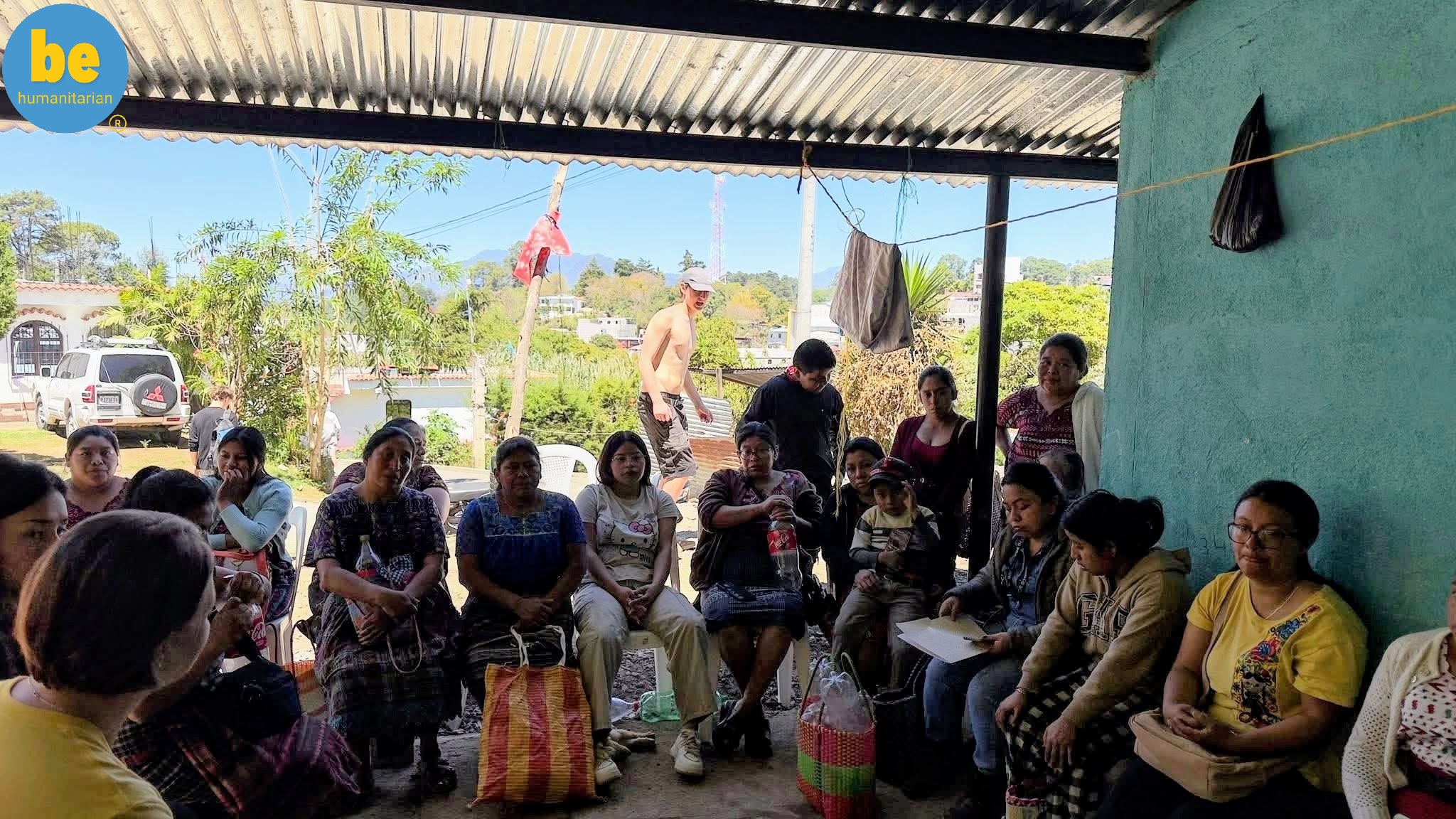
Plan your Guatemala volunteer 3 to 6 months ahead. That gives Be Humanitarian time to arrange volunteers, local projects, transport, and trip details. It also gives you room to prepare.
Trips usually last 8 to 11 days and focus on San Andrés near Lake Atitlán. You may help with education, nutrition, clean water, gardening, or family programs. So learn about the community, local customs, and how child sponsorship connects with the work.
Good planning matters.
Keep reading to see what to plan and when.
Why Plan Guatemala Volunteer Vacations Early
- Plan 3-6 months ahead to secure dates, arrange travel, complete requirements, and prepare for community work.
- Early planning gives local teams time to organise supplies, projects, schedules, and volunteer groups effectively.
- Cultural preparation, health planning, and understanding community-led work help volunteers arrive ready to support local priorities.
What Makes Early Planning Important For A Guatemala Volunteer Vacation?
Planning early gives volunteers and Be Humanitarian time to sort out people, projects, transport, lodging, and other details before the trip.
A 3-6 month lead time can help. A volunteer trip isn’t only a flight and a few activities. The local team needs to know who is coming, when they’ll arrive, and what work needs to be ready.
Be Humanitarian runs guided Guatemala trips with Tobie Spears and a local team. Volunteers usually spend 5-7 hours each day doing hands-on community work instead of treating service as something to fit in when there’s time.
That can matter for professionals, retirees, business owners, and companies looking at volunteer opportunities in Guatemala. They often want to know that their time will have a clear purpose.
The supplied research also gives a 60-day advance registration period from The GOD’S CHILD Project Volunteer Manual. It shows that some international volunteer programs need plenty of time to prepare.
- Book: Secure your preferred trip date.
- Prepare: Give the local team time to plan projects.
- Arrange: Organize flights and travel documents.
- Complete: Handle health and other trip requirements.
- Consider: Decide if child sponsorship could continue after the trip.
The basic idea is simple. Plan early, and there’s less to sort out at the last minute.
Why Can Last-Minute Volunteering Reduce Community Impact?
Last-minute trips give a nonprofit less time to plan projects, get tools, set schedules, and involve the local community.
| Last-minute approach | Early-planned approach |
| Uncertain placement | Planned project participation |
| Limited preparation time | Coordinated materials |
| Reactive logistics | Structured itinerary |
| Higher capacity risk | Reserved cohort space |
| Less time for preparation | Cultural and practical preparation |
Community projects need plans before volunteers arrive. Volunteers join work that local teams already do. They aren’t coming in to start a whole new project on their own.
At Be Humanitarian, volunteers might help build vertical garden towers, set up clean-water filters, or support school and nutrition activities. Gardening is another option. And some days are less about building things. Volunteers may help with English classes, play soccer with children, or spend time working with local families.
So why does the team need a headcount early?
Because they need to know how many people are coming. That helps them get the right materials ready and split volunteers into groups. It also means everyone can get started when they arrive.
No guesswork.
A little planning means the team can focus on the work, not spend the morning trying to work out what happens next. That’s better for everyone.
What Does Ethical Volunteering Require?
Ethical volunteering starts before the first day. Volunteers need some preparation, clear guidance from local teams, and realistic expectations. That’s especially true when children are involved.
Research from Taylor & Francis notes
“32.0% did not complete any pre-trip requirements,” and of those who interacted with vulnerable children, “231 (67.1%) participants interacted with children in that child’s residential space unsupervised” – Taylor & Francis
Research from the Better Care Network and Tourism Watch found that child-safeguarding rules can vary in short-term placements that lack formal oversight. So volunteers need to know what’s expected before they arrive.
At Be Humanitarian, local leaders and teams guide the work. Volunteers support projects that are already running in the community. They aren’t there to take over.
That difference matters.
The idea is to work with the local team, not step in and run things for a short time. Volunteers can bring their time and skills, while local teams decide what support is needed.
Pro Tip: Don’t only ask, “What will I get to do?”
Ask, “What does the local team need me to support?”
That question can change how you approach the whole experience.
How Do Limited Volunteer Cohorts Affect Availability?
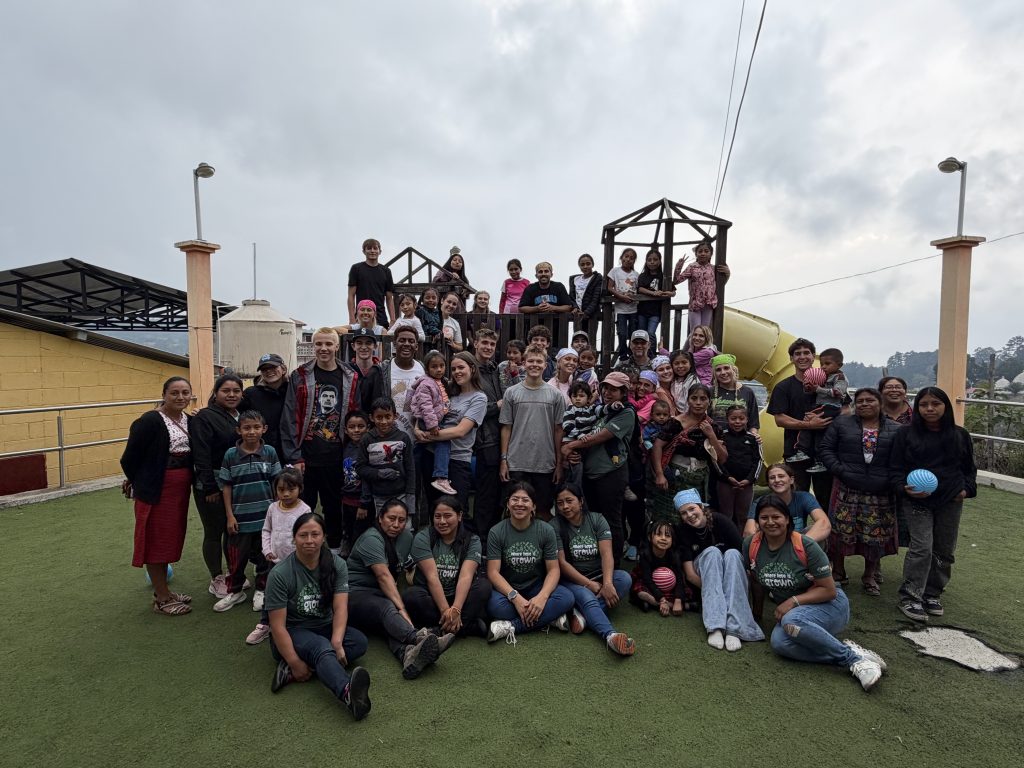
Small volunteer groups can fill up fast. Community projects often work best when each person can take part.
Be Humanitarian’s Guatemala trips usually last 8-11 days. Volunteers stay around San Andrés, near Lake Atitlán, and work with Tobie Spears and the local team. Some trips are planned around seasonal activities, too. So if you have a certain date in mind, planning early can help.
There’s also a difference between where you volunteer and where you visit.
San Andrés is the main community base for volunteer work. Antigua is a cultural stop on the trip, but it isn’t the main work site.
That difference matters.
For a retirement trip, a couples trip, or a company group, missing your preferred date can cause other problems. Flights may need to change. Work schedules may need to move. Personal plans can get pushed around, too.
So if the date matters, don’t wait until the last minute.
What should you do six months before departure?
Six months before the trip, focus on the main plans, not small packing tasks.
- Choose the preferred volunteer trip dates.
- Confirm available cohort space.
- Review payment arrangements.
- Start researching flights to La Aurora International Airport (GUA).
- Discuss health considerations with a physician if needed.
That last point deserves extra attention for older travelers. Be Humanitarian has had volunteers over 70. San Andrés is about 7,047 feet (2,148 meters) high. If you have a heart or lung issue, ask a doctor if this trip is safe for you.
What Should You Complete Three To Four Months Before Departure?
This is when the details need attention. Don’t leave them until the last few weeks.
Confirm your transportation and accommodation. Check your travel documents, too. Then spend some time learning about the local culture. If you have food needs or mobility needs, tell the team early.
That helps everyone plan.
This can matter even more for retirees who want time to enjoy the trip, business owners fitting the trip around work, or corporate teams trying to coordinate several employees. It’s much easier to sort out these details early than deal with them right before departure.
Which Guatemala Travel Seasons Require More Advance Planning?
Busy travel periods can make it harder to find lodging, transport, and volunteer trip dates.
| Period | Planning Consideration |
| Semana Santa | High travel demand and fewer open spots |
| November-January | Holiday travel can limit accommodation |
| June-July | Summer travel can increase group demand |
| Day of the Dead | Special trips may need early planning |
So if you’re traveling during one of these periods, plan ahead.
Rooms and transportation can fill up. Volunteer groups also need enough space for people to work with the local community. Rushing the booking process can make the whole trip harder to organize.
Early planning gives you more choices. And that’s especially useful if you have a specific travel date in mind.
Why Should Volunteers Consider Antigua And Lake Atitlán Early?
Lake Atitlán and Antigua are both popular stops on a Guatemala trip. But on a Be Humanitarian trip, they have different roles.
San Andrés is the main base for volunteer work. Antigua is a cultural stop, while Lake Atitlán is part of the area around the community work. Be Humanitarian’s itinerary includes San Andrés, Lake Atitlán, Panajachel, and Antigua.
For anyone planning a Guatemala volunteer vacation, knowing this can prevent a common mix-up: the main tourist spot isn’t always the volunteer placement.
Travel dates can also affect the rest of the trip. So if you want to volunteer and see the sights, give the organization and travel providers enough notice to plan everything.
How Does Early Planning Help Prepare Community Projects?
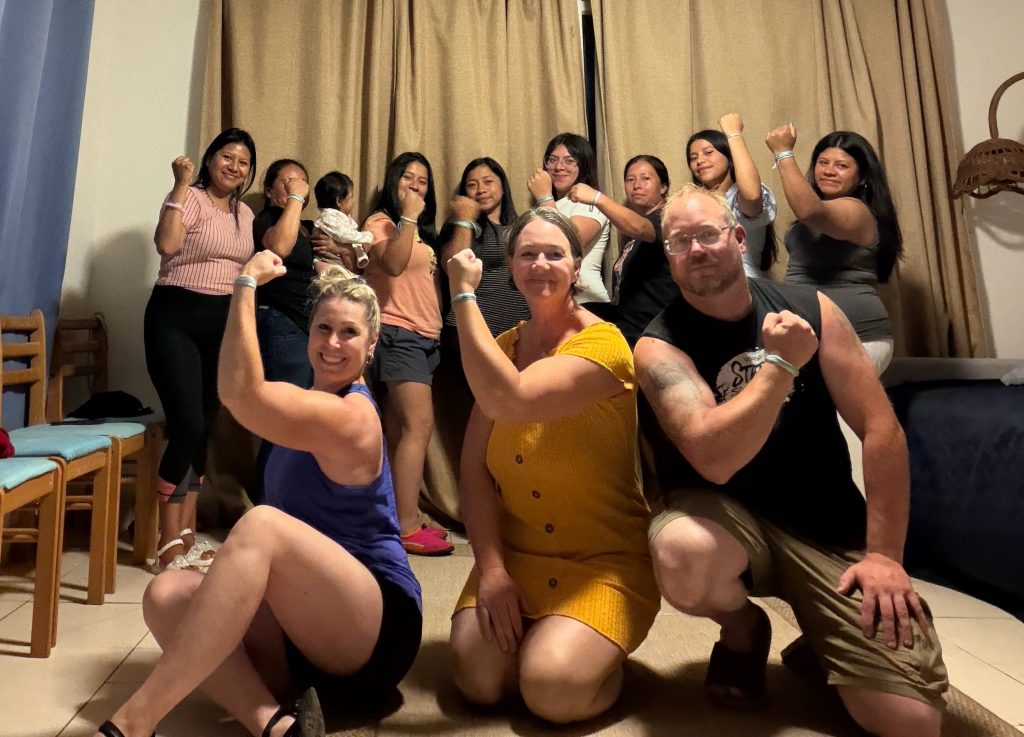
Knowing the number of volunteers ahead of time helps the local team get supplies and activities ready, which can strengthen the impact of how to plan a volunteer vacation Guatemala for each project.
Volunteer registration → confirmed headcount → local preparation → organized project → coordinated fieldwork
That order matters. The work starts before volunteers arrive. Families, teachers, local coordinators, and project teams already have plans in place.
One day, a volunteer might help in an English class. Another day could mean handing out water filters or helping with gardening and nutrition activities. There’s time for fun, too. Play soccer with the kids. Talk with families who’ve gotten to know returning volunteers.
Be Humanitarian says its work in San Andrés is based on long-term relationships, not one-time visits.
Which Projects Benefit From Advance Preparation?
Some projects need supplies and planning before a group arrives.
- Vertical garden towers
- Gardening projects
- Clean-water filters
- School and education support
- Nutrition resources
- Family and community support
The point isn’t for visitors to arrive and “save” a community. Local people lead the work. Volunteers bring their time, energy, and practical help to programs that support sustainable volunteering community work and already serve local families.
That also matters for responsible volunteering. A good service trip should help local programs, not leave staff rushing around to find jobs for visitors who showed up without a plan.
What Administrative Preparation Should Volunteers Complete Early?
Background checks, health papers, orientation, and travel plans may take weeks. So don’t leave them until last month.
As noted by PMC
“volunteer vetting, approval, and preparation processes” are essential to screening out individuals who may “unduly burden hosts or may interact in a disrespectful or unproductive manner with host institution students or faculty” – PMC
The CDC says travelers should check health advice for Guatemala before leaving. What you need can depend on your plans and personal health. Its current guidance says malaria occurs in some parts of Guatemala, but there are no reported cases around Lake Atitlán.
A practical Guatemala volunteer travel checklist includes:
- Passport and entry rules
- Travel insurance
- Health and vaccine review
- Required background checks
- Pre-trip orientation
- Basic Spanish practice
- Suitable clothes and shoes
- Personal medicines and health details
Why Is Early Preparation Especially Important For Child-Focused Work?
Planning matters even more when volunteers will spend time with children or help in schools.
Be Humanitarian works with children, education, nutrition, and families. A volunteer might help a teacher, join an English class, play soccer with children, or spend time with families. But the work is already there. Volunteers are joining it, not taking over.
The trip can help people who want child sponsorship learn how the organization works. Someone might arrive planning a short service trip and leave thinking about helping with education and nutrition after going home.
That’s why preparing early matters. It gives volunteers time to learn about the people and programs they’ll support.
How Can Early Booking Make Guatemala Travel Logistics Easier?
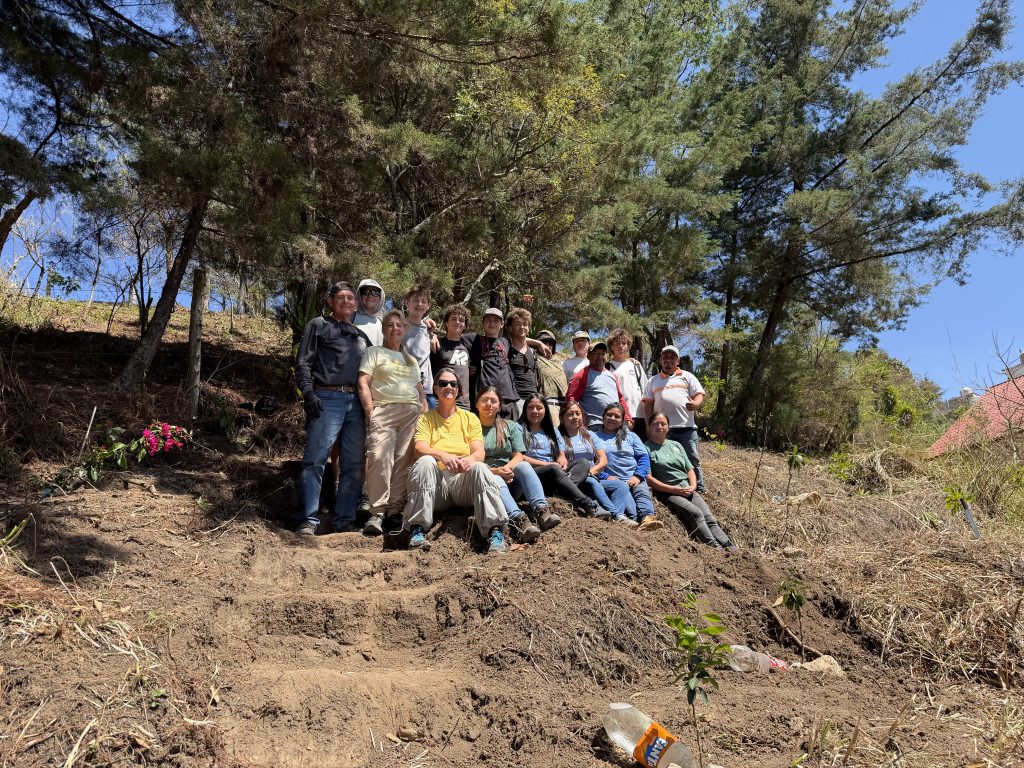
Booking early gives you more time to sort out flights, lodging, local transportation, meals, and cultural activities. That’s better than trying to handle everything in the last few weeks.
On a typical Be Humanitarian trip, volunteers fly to La Aurora International Airport (GUA). They then travel to San Andrés near Lake Atitlán. The organization handles the in-country logistics, so volunteers don’t have to plan every transfer themselves and can travel with us without arranging every local transfer independently.
That can be helpful for older professionals and retirees. A clear schedule leaves more energy for volunteer days, which can last about 5-7 hours. After that, there’s dinner and time to rest.
The U.S. Department of State currently lists Guatemala at Level 3, Reconsider Travel. Some areas have higher restrictions. Check the latest guidance before leaving, and follow the safety advice from your trip leaders.
Which Experiences Can Be Coordinated In Advance?
Planning your Guatemala volunteer trip early can help you sort out both volunteer work and time for sightseeing.
- Volunteer work in San Andrés
- Lake Atitlán activities
- A cultural day in Antigua
- Airport transfers
- Accommodation and meals
- Local transportation
- Pre-trip communication
Having an experienced guide helps, too. Be Humanitarian trips are planned and guided, rather than being generic volunteer trips. Participants can also reach nearby clinics if they need medical care.
For someone traveling abroad for the first time, that can take away some of the stress. Instead of worrying about getting to a rural community or arranging every local ride, they can focus on arriving ready to help.
Can Planning Early Help Control Volunteer Vacation Costs?
Planning ahead can give travelers more time to save money and look at different flights. It can also make trip payments easier to spread out, if they qualify.
Be Humanitarian has offered payment plans of $77 per month and 0% APR financing for trips that meet its rules. That can be useful for retirees, busy professionals, and business owners who need to plan around work.
But booking early doesn’t mean your flight will be cheaper. Prices can change at any time. What early booking can give you is more choice. Popular flights, dates, and seats may fill up before you’re ready to book.
| Financial decision | Benefit of planning early |
| Volunteer trip payment | More time to spread eligible payments |
| Airfare research | More dates and routing options to compare |
| Travel insurance | Time to review coverage |
| Personal spending | More time to build a travel budget |
| Sponsorship planning | Time to consider longer-term giving |
How Can Volunteers Create A Financial Runway?
Keep the main costs separate.
- Book the volunteer trip.
- Check the payment options.
- Look for flights to Guatemala City.
- Buy travel insurance.
- Set money aside for personal costs.
- Budget for souvenirs and extra activities.
This can also help corporate sponsors. A company planning a small volunteer team can look at employee schedules, travel costs, sponsorship donations plans, and community support together. That’s easier than trying to handle each one on its own.
How Does Early Planning Support Cultural Preparation?
Planning ahead gives volunteers time to learn about the local community, practice some Spanish, and know what to expect from community-led work.
A Guatemala volunteer trip isn’t only about seeing a new place. One morning, volunteers might help with an English class, hand out water filters, work in a garden, or help with nutrition activities. Later, they might play soccer with children or talk and laugh with families they’ve gotten to know.
That daily rhythm matters.
The work is hands-on and personal, but it’s also part of relationships that are already there.
Planning can shape the trip, too. Cultural activities can help volunteers learn about local customs and wider issues. For many people, that can make the experience feel more personal, rather than something they do for a few days and then leave behind.
Why Does Cultural Preparation Matter?
Cultural preparation helps volunteers join the community with respect instead of showing up with assumptions.
- Learn a few Spanish phrases.
- Learn local customs before the trip.
- Understand the role of community-led work.
- Be ready for rural conditions.
- Treat families and children with respect.
- Be ready to listen, too.
Pro Tip: You don’t need fluent Spanish. Knowing how to say hello, thank someone, ask a basic question, or cheer for a child during soccer can make a normal interaction feel more natural.
But the setting can be physically demanding. San Andrés sits at about 7,047 feet (2,148 meters). Older travelers and people with heart or breathing conditions should talk with a healthcare professional about the altitude and planned activities before the trip.
How Can Early Planning Connect Volunteers With Child Sponsorship?
Credit: Be Humanitarian
Booking early gives future sponsors time to learn about Be Humanitarian and decide if they want to help after the trip.
Volunteer trip → firsthand community experience → deeper mission understanding → potential sponsorship
Be Humanitarian works with children and families through education, nutrition, gardening, clean water, and community support. Local teams lead the programs. Volunteers come in to help with work that’s already happening.
That matters if you’re thinking about child sponsorship in Guatemala. Sponsorship isn’t part of the vacation. It’s a longer-term commitment to help a child and family.
The 50.9% poverty figure gives some context about local conditions. Be Humanitarian focuses on everyday needs, including education and childhood nutrition.
How Does Volunteering Relate To Be Humanitarian’s Mission?
A volunteer gets to see what these programs look like day to day. That can be hard to understand when you’re far away.
A day in San Andrés might mean preparing school materials, joining an English class, handing out water filters, helping with gardening, or spending time with children. There’s plenty of work, but there’s also conversation and laughter.
For someone thinking about sponsorship, seeing this work in person can make the mission easier to understand. For an entrepreneur or company leader, it can also lead to a bigger question: what could long-term support look like?
And the connection doesn’t have to end when the flight home leaves. A volunteer can go back to work, family, or retirement and still support a child, an education program, or community work in Guatemala.
What Should You Do 3-6 Months Before A Guatemala Volunteer Vacation?
Planning 3-6 months ahead gives you time to book your group, sort out travel, finish the paperwork, and get ready for active volunteer work.
The timing can change based on the trip, your plans, and travel rules. Still, this gives you a good place to start.
| Lead Time | Priority |
| 6 months | Pick dates, check group availability, and review payment options |
| 4-5 months | Look at flights, documents, insurance, and project details |
| 3-4 months | Confirm travel plans and review health needs |
| 2-3 months | Finish checks, medical prep, and orientation |
| Final month | Pack, confirm plans, practice Spanish, and stay in touch |
The CDC recommends checking Guatemala’s health advice before you travel. It also suggests talking with a healthcare professional about vaccines or medicines at least a month before the trip. Malaria risk isn’t the same everywhere in Guatemala, and no malaria cases have been reported around Lake Atitlán.
Older travelers may want to plan for health needs early. The altitude, heat, walking, and active work can be tiring. If you have a heart or breathing condition, talk with your healthcare professional before booking.
What should you avoid?
Early planning also prevents several common mistakes.
- Waiting until the final weeks to confirm capacity.
- Assuming preferred lodging will remain available.
- Treating community projects as drop-in activities.
- Delaying health or documentation requirements.
- Planning only the tourist portion of the trip.
- Arriving without understanding the community-led model.
The goal is not to make every minute rigid. It is to create enough structure that the meaningful moments have room to happen.
What Is The Best Way To Plan A Guatemala Volunteer Vacation With Be Humanitarian?

The best plan is to start a few months early. Give yourself time to sort out travel, get ready for the project, learn about the culture, and understand the community you’ll be joining.
A Be Humanitarian volunteer trip usually lasts 8-11 days in Guatemala. Tobie Spears and the local team guide the trip, with San Andrés near Lake Atitlán as the community base. Volunteers help with programs that are already running. They don’t arrive to take charge.
That can be a good fit for people who want an active volunteer trip. Days can include 5-7 hours of volunteer work, such as helping with English classes, handing out water filters, gardening, nutrition activities, or spending time with children and families.
After dinner, there’s time to slow down and rest.
How Can You Plan It To Be Humanitarian?
The process can be pretty simple.
- Pick your volunteer trip.
- Check group space and payment options.
- Start planning your flights and travel.
- Check health, insurance, and entry rules.
- Finish the pre-trip calls and orientation.
- Get ready for community work and local culture.
- Think about child sponsorship or company support after the trip.
FAQ
How early should I start planning a volunteer vacation in Guatemala?
Start planning your Guatemala volunteer vacation several months before departure. Early planning gives you time to compare volunteer opportunities Guatemala, check volunteer programme availability Guatemala, submit a Guatemala volunteer application, and arrange flights.
It also gives you enough time to arrange travel insurance, review entry requirements, complete health preparation, and organize accommodation without rushing important travel decisions.
What should I check before booking flights for a Guatemala volunteer trip?
Before booking flights for a Guatemala volunteer trip, confirm your volunteer trip dates, program schedule, required arrival time, and airport transfer arrangements.
Compare flights to Guatemala City and check connections through La Aurora International Airport. Book flights early once your dates are confirmed, especially if you plan to travel during peak travel season, Easter travel, or Holy Week.
How can I secure a volunteer placement early in Guatemala?
To secure a volunteer placement early in Guatemala, compare programs based on project type, location, schedule, requirements, and fees. Check volunteer program requirements and application deadlines before making travel arrangements.
Early planning can help you find suitable community service Guatemala options, including education volunteer Guatemala, environmental volunteering Guatemala, conservation projects, or rural volunteer projects that match your skills and interests.
What should I include in my Guatemala trip preparation checklist?
Your Guatemala trip preparation checklist should include flights, accommodation, insurance, entry requirements, health preparation, transportation, and packing. Check Guatemala travel vaccinations, volunteer travel insurance, Guatemala packing list requirements, and any Spanish lessons Guatemala may require.
Also confirm your volunteer itinerary, project schedule, emergency contacts, local transportation, and accommodation details before leaving for your volunteer trip.
Does planning early help with responsible volunteering in Guatemala?
Yes. Planning early gives you more time to research ethical volunteering Guatemala and responsible volunteering Guatemala practices before choosing a program. You can evaluate whether projects support community development Guatemala, local priorities, and sustainable volunteering Guatemala.
This matters when considering volunteering with children Guatemala, indigenous community volunteering Guatemala, Mayan community projects Guatemala, or Guatemala nonprofit volunteer work.
Why Plan Guatemala Volunteer Vacations Early?
Planning your Guatemala volunteer vacation early gives you time to prepare properly. Be Humanitarian’s local team can plan community projects, while you can arrange flights, insurance, health needs, and other travel details.
If you’re a retiree, professional, or business owner, you also have more time to fit the trip into your schedule. Most importantly, early planning helps you arrive ready to support work already happening in San Andrés, rather than trying to figure things out when you get there.
A 3 to 6 month runway can make the trip easier for everyone involved. You’ll have time to learn about the community, prepare for the work, and think about how you want to stay involved after you return. Ready to start planning? Explore Guatemala Volunteer Vacations.
References
- https://www.tandfonline.com/doi/full/10.1080/10911359.2020.1866732?src=recsys
- https://pmc.ncbi.nlm.nih.gov/articles/PMC6816812/#2
