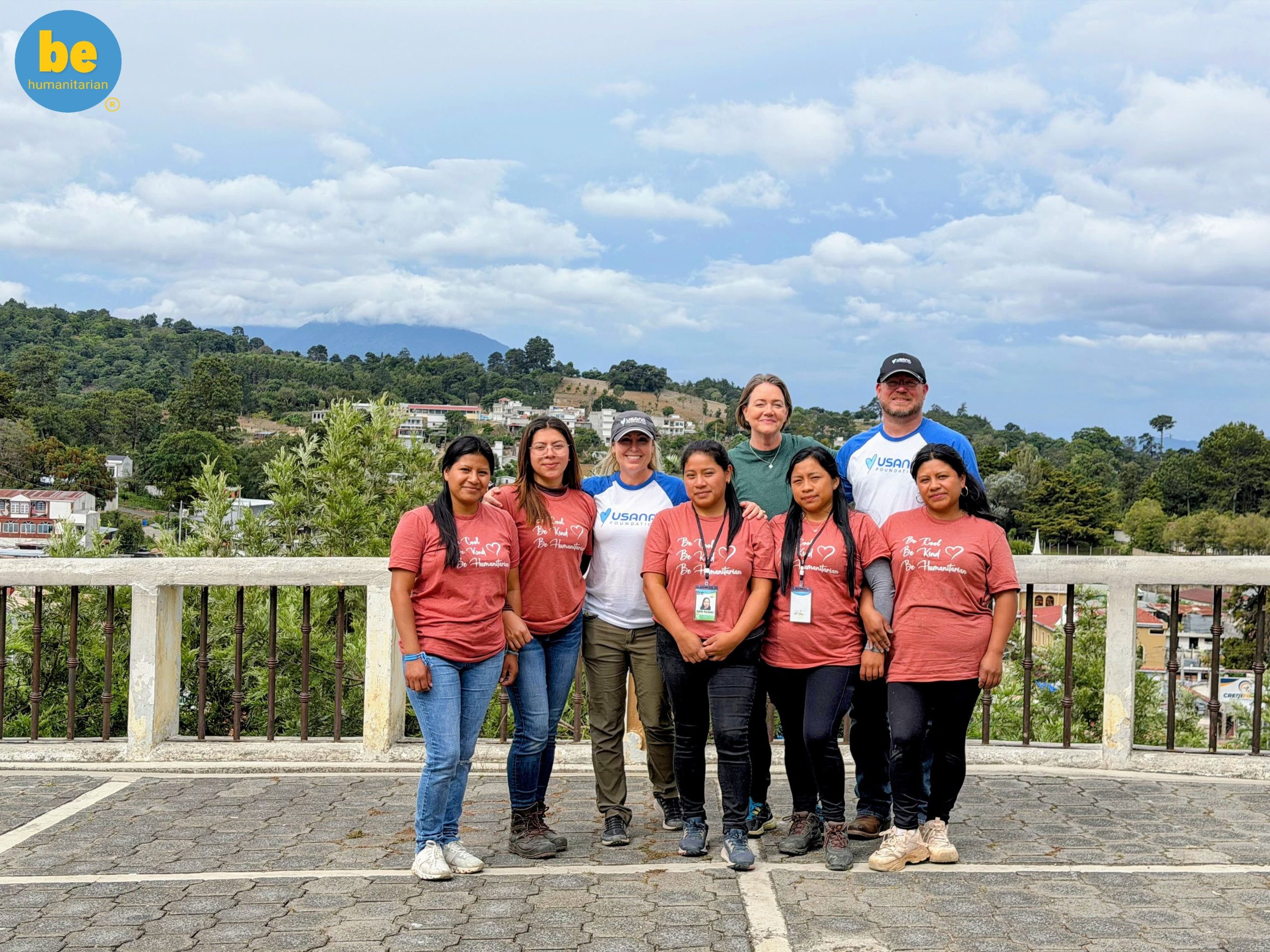
Yes, you can visit Guatemala while sponsoring a child through Be Humanitarian. You’ll volunteer in the community, learn how local programs work, and, when possible, meet your sponsored child.
It’s more than a visit. You get to see where your support goes and meet the people behind the letters and photos. Keep reading to learn what the trip is like and what you can expect.
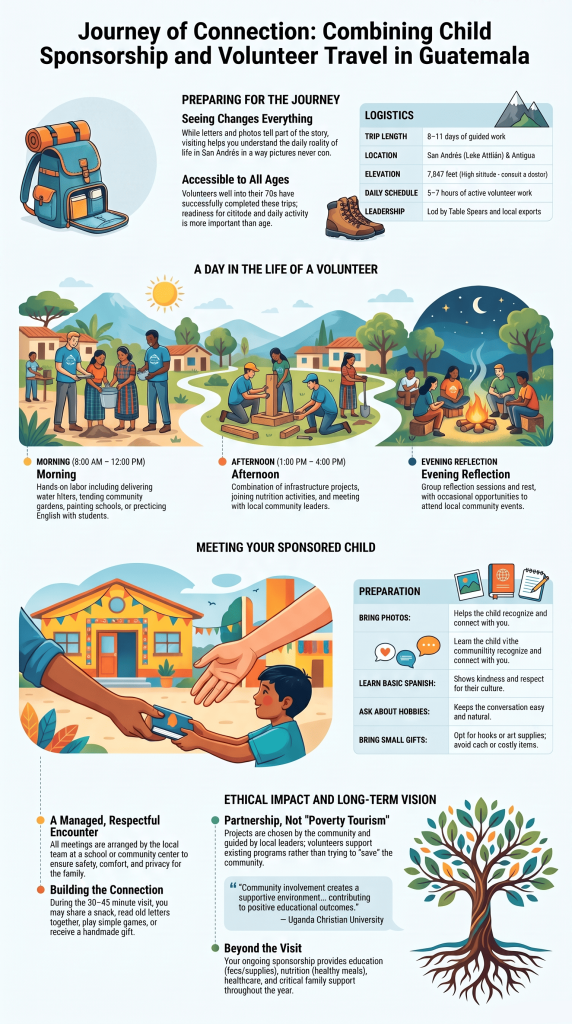
Before You Pack, Here’s What To Know
A few things are good to know before you book your trip.
- Seeing the community changes everything. Letters and photos tell part of the story. Visiting helps you understand daily life in a way pictures never can.
- Be Humanitarian arranges every child meeting. The local team works with families and schools, so visits stay safe, respectful, and comfortable for everyone.
- You’ll spend your time volunteering. You’ll help with projects chosen by the community. Meeting your sponsored child is one part of a much bigger experience.
Combining Child Sponsorship And Guatemala Travel
Many people start sponsoring a child because they want to help. After a while, they wonder what life is really like for the child they support. That’s where a volunteer trip and combining child sponsorship and Guatemala travel can make a difference.
Instead of reading about the community, you’ll be there. You’ll walk through San Andrés, meet local families, and spend your days helping with projects that matter. It puts names, faces, and places together.
Many sponsors say the trip makes their connection feel more personal. The letters they receive afterward mean even more because they know the school, the streets, and the people their sponsored child talks about.
We’ve also welcomed volunteers well into their 70s. Age doesn’t stop people from serving. Being ready for the altitude and the daily activity matters more.
Practical Considerations For Combining Sponsorship And Travel
| Consideration | What It Means For You |
| Trip Length | 8–11 days with guided volunteer work |
| Location | San Andrés near Lake Atitlán, plus one day in Antigua |
| Elevation | 7,047 feet (2,148 meters). Check with your doctor if needed. |
| Daily Schedule | Around 5–7 hours of volunteer work each day |
| Guide Support | Led by Tobie Spears and the local team |
This isn’t a vacation where you watch from the sidelines. You’ll work beside local families on projects they already care about. That’s a big difference.
Meet Sponsored Children Guatemala Volunteer Trip
Meeting your sponsored child is something many sponsors look forward to. Even so, it isn’t the whole trip. You’ll spend several days volunteering first, including a meet sponsored children Guatemala volunteer trip, so the visit feels natural instead of rushed.
The local team plans every meeting with the child’s family and school. That helps everyone feel comfortable.
Here’s what usually happens:
- Meeting planned ahead
- School or community center
- Staff member joins the visit
- Small gifts are welcome
- Interpreter available if needed
Most visits last about 30 to 45 minutes. Some children smile right away. Others need a little time to warm up. Both are normal. There’s no script, and nobody is expected to act a certain way.
How To Prepare For Meeting Your Sponsored Child
| Preparation Step | Why It Matters |
| Bring a few photos | Helps the child recognize you |
| Learn simple Spanish words | Shows kindness and respect |
| Ask about school and hobbies | Keeps the conversation easy |
| Listen carefully | Helps build trust |
| Be patient | Every child is different |
By the time you meet, you’ll already know the community. You’ve worked there, met local families, and spent time with the people who make these programs possible. That makes the visit feel much more personal.
Meeting Your Sponsored Child In Guatemala
 It’s normal to feel excited before the meeting. Some sponsors also feel nervous. Most people do.
The visit usually happens after you’ve spent several days volunteering, leading up to meeting your sponsored child in Guatemala. You’re not arriving straight from the airport. You’ve already settled into the community and met many of the people who live there.
During your visit, you might:
- Share a snack
- Read old letters together
- Play a simple game
- Take a photo with permission
- Receive a handmade gift
Some children like to talk. Others are quiet at first. Let the child decide the pace.
Not every child wants to meet in person, and not every family is able to arrange a visit. If that happens, your sponsorship doesn’t end. You can still stay connected through letters, photos, and the support you give throughout the year.
The Role Of Gifts And Gestures
Small gifts often mean the most.
- Avoid cash or costly gifts
- Choose books or art supplies
- Bring a small item from home
- Think about the whole family
If you’re unsure what to bring, the Be Humanitarian team can offer suggestions before your trip.
Who Arranges Guatemala Sponsored Child Meetings
 Be Humanitarian plans every sponsored child meeting with the help of its local team through who arranges Guatemala sponsored child meetings. Please don’t try to arrange a visit on your own. Planning ahead helps protect the child, respect the family’s wishes, and make the visit comfortable for everyone.
Here’s what the team handles:
- Meeting time and place
- Family communication
- Transportation if needed
- Translation support
- Local guidance during the visit
Planning starts before your trip. When you sign up, we’ll ask if you’re a sponsor and if you’d like to meet your sponsored child. From there, our team works with the family to see if a visit is possible. While we can’t promise every meeting, we do our best to make it happen when everyone is comfortable.
Why Independent Arrangements Are Not Recommended
Showing up on your own may sound like a good idea, but it can create problems.
- Finding homes isn’t always easy
- Unplanned visits can surprise families
- The child may be at school
- Local staff know the community best
Our team takes care of the details so your visit feels respectful, safe, and enjoyable for everyone involved.
What Volunteer Work Looks Like In San Andrés
Each day, you’ll spend time helping with projects the community has asked for. This isn’t a trip where you watch from the sidelines. You’ll work alongside local families and volunteers as part of our travel with us experience.
A typical day may include:
Morning (8:00 AM–12:00 PM):
- Deliver water filters
- Help in community gardens
- Practice English with students
- Play games or soccer
- Paint or help at the school
Afternoon (1:00 PM–4:00 PM):
- Continue volunteer projects
- Join nutrition activities
- Meet community leaders
- Support local programs
Evening:
- Group reflection
- Time to rest
- Community events, when available
Every activity has a purpose. You’ll see how local programs work and get to know the people behind them. Many sponsors say these shared experiences are what they remember most.
Health And Safety Considerations
We want you to enjoy your trip and stay safe.
- Altitude: San Andrés is 7,047 feet (2,148 meters). Talk with your doctor if you have heart or breathing concerns.
- Sun and water: Drink plenty of water and wear sunscreen.
- Medical care: Local clinics can help with minor health needs.
- Activity level: Expect 5–7 hours of volunteer work, with options for different fitness levels.
- Travel insurance: Medical travel coverage is strongly recommended.
Our team is there throughout the trip. If you need to slow down or adjust your schedule, we’ll help you find an option that works.
Building Long-Term Relationships Through Sponsorship
Credits: Be Humanitarian
Your trip is only one part of the journey. Sponsorship is about showing up for a child over time, not only during a visit, and it continues through ongoing sponsorship donations that help sustain long-term support.
Your support helps provide:
- Education: School fees, supplies, and uniforms
- Nutrition: Healthy meals and garden programs
- Healthcare: Checkups and basic medical care
- Family Support: Programs that help families grow stronger
The connection continues through letters and photos. Children share drawings, school updates, and stories from home. Sponsors write back with news from their own lives. Those small exchanges often mean more than people expect.
Visiting Guatemala adds another layer to that relationship. After you’ve seen the community for yourself, your letters become more personal because you know the places and people your sponsored child talks about.
Data from Uganda Christian University demonstrates
“From the study findings, it was revealed that the Watoto child sponsorship program significantly enhances educational attainment among children through financial aid, mentorship, and community involvement. Community involvement creates a supportive environment, expands resources, and promotes collaborative efforts, contributing to positive educational outcomes.” – Uganda Christian University
The Importance Of Ethical And Dignified Travel
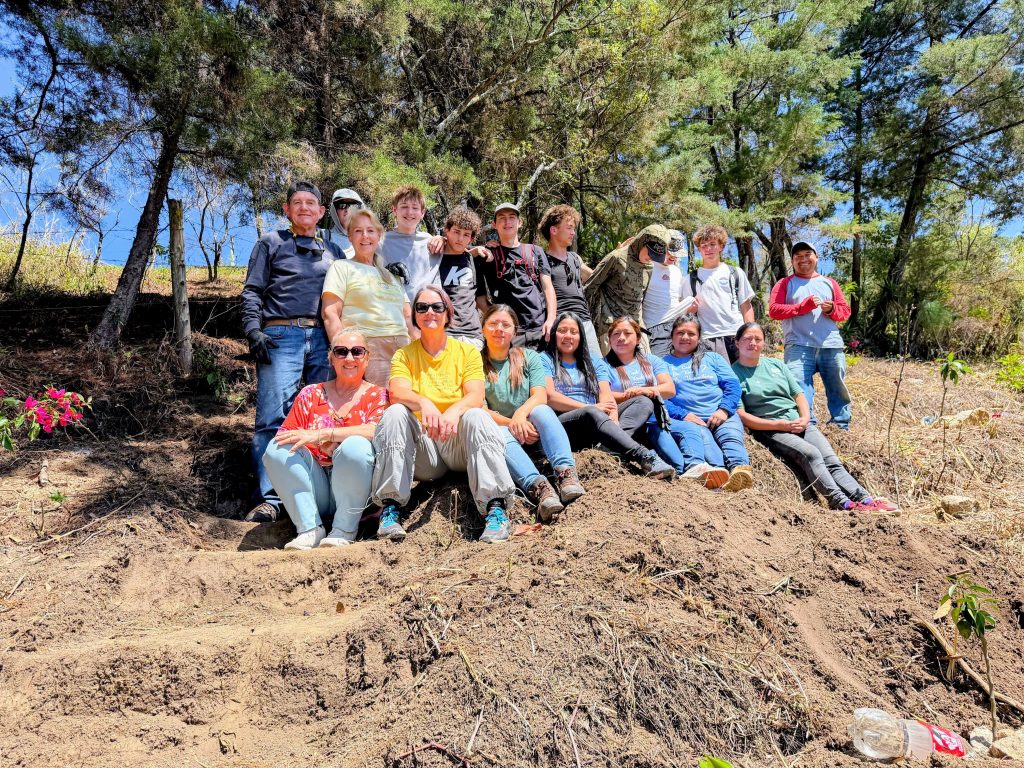 At Be Humanitarian, we believe the best volunteer trips are built on respect. You’re not coming to save a community. You’re coming to learn, serve, and work alongside local families.
We Put Partnership First:
- Communities choose the projects
- Local leaders guide the work
- Volunteers support existing programs
We Avoid Poverty Tourism:
- Build relationships, not photo opportunities
- Ask before taking photos
- Respect people’s privacy and daily lives
We Focus On Opportunity:
- Support education
- Help improve nutrition
- Encourage long-term community growth
This approach helps everyone. Communities stay in the lead, and volunteers leave with a better understanding of the people they met and the work they shared together.
As highlighted by Journal of Sustainable Tourism
“This research explores the host experience of volunteer tourism and presents a case study of local community farmers in the San Miguel Escobar Cooperative near Antigua, Guatemala. In this study, we sought to understand the adoption of role identities by cooperative farmers in their interactions with volunteer tourists and how this affects notions of self and self-esteem.” – Journal of Sustainable Tourism
Questions To Ask Before Your Trip
Before you book your trip, take a few minutes to think about these questions:
- Can I handle the altitude and daily activity? Talk with your doctor if you have health concerns.
- Am I ready to meet my sponsored child? It can be an emotional experience.
- Do I understand that a meeting isn’t guaranteed? We do our best, but plans can change.
- Am I ready to volunteer each day? This is a hands-on trip.
- Will I stay connected after I return home? Sponsorship continues long after the visit.
Thinking through these questions can help you decide if this experience is the right fit and prepare you for what to expect.
FAQ
Can I meet my sponsored child during a volunteer trip to Guatemala?
Yes, many Guatemala child sponsorship programs allow a sponsored child meeting, but the organization must arrange every child visit arrangement in advance.
If you meet sponsored child in Guatemala, local staff will guide the visit to protect the child’s privacy, safety, and well-being. This process creates a respectful sponsor experience while helping you build a meaningful sponsor connection with the child and community.
How can I sponsor and travel without disrupting local communities?
If you want to sponsor and travel, choose a program that follows a community-led travel model. Responsible organizations work with local leaders to identify community priorities before volunteers arrive.
This approach combines responsible travel, ethical volunteering, and meaningful travel while creating positive local community impact and respecting the community’s culture, routines, and long-term goals.
What happens during a sponsor visit in Guatemala?
A sponsor visit usually includes a guided community visit, volunteer activities, and opportunities for cross-cultural exchange.
The organization schedules every organized meeting to ensure the visit is safe, respectful, and appropriate for the child and family. The experience helps sponsors better understand local life while strengthening their sponsor journey through genuine, relationship-focused interactions.
How does volunteering support children beyond financial sponsorship?
A volunteer trip Guatemala experience adds value to financial giving by supporting education support, healthcare support, and family support through practical service projects.
Volunteers may assist with community activities that strengthen local programs, but long-term poverty alleviation depends on ongoing community partnership and local leadership. Together, volunteering and sponsorship contribute to lasting child development and sustainable progress.
Is combining sponsorship and travel a good choice for first-time volunteers?
For many first-time volunteers, combining travel to Guatemala with a child sponsorship program provides a meaningful introduction to purposeful travel.
Visiting the community helps you understand how your support creates change while building a stronger sponsor relationship. If you want to travel and give back, this type of impact travel offers a deeper understanding of local needs and long-term community development.
A Journey That Changes Everything
Meeting your sponsored child in Guatemala makes everything feel real. You see the people, share simple moments, and understand how your support helps every day. That feeling stays with you. It’s hard to forget.
Be Humanitarian makes the trip simple, with local support and meaningful visits that help you connect in a real way. If you’re ready to take the next step, explore Guatemala sponsorship trips at behumanitarian.org and see the difference for yourself.
References
- https://ucudir.ucu.ac.ug/items/bcc147c8-080e-493b-8c79-5bf1befbb242/full
- https://www.tandfonline.com/doi/full/10.1080/09669582.2021.1888112