
Ethical volunteer vacations in Guatemala give travelers a way to help local communities without getting in the way. In places like San Andrés near Lake Atitlán, volunteers spend time with teachers, families, and community leaders already doing the work every day. Some visitors help in schools.
Others support meal programs or family gardens. The trips also include time to walk through local villages, visit markets, and learn about life in Guatemala beyond the tourist areas. Nothing feels rushed. People come to help, listen, and learn. Keep reading to see what these trips are really like and why many volunteers come home changed by the experience.
What To Know Before You Go
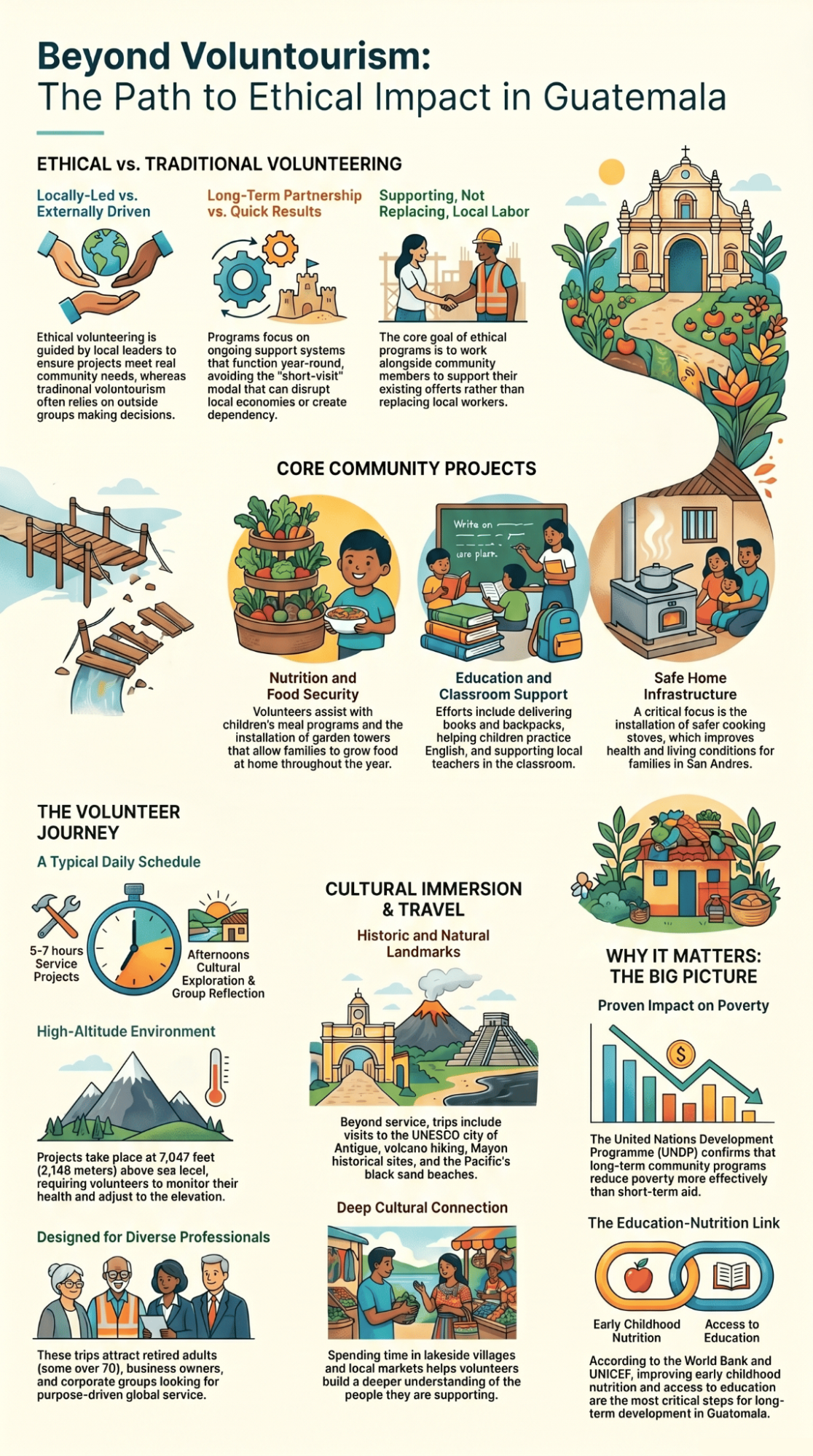
- Ethical volunteer trips in Guatemala are guided by local communities, not outside volunteers.
- Many programs near Lake Atitlán include daily volunteer work and time to explore nearby villages.
- Volunteers often help with education, meals, and family support projects. The goal is to support long-term community needs, not short visits that create dependency.
Ethical Volunteer Vacations In Guatemala
Ethical volunteer vacations in Guatemala are built around local needs. Instead of creating short projects for visitors, these programs support work already happening inside the community.
Programs with Be Humanitarian take place in San Andrés near Lake Atitlán, where travelers can also travel with us through community-centered experiences built around local partnerships. The town sits high in the mountains. Families grow corn and vegetables on nearby hillsides, and many people still speak Indigenous languages at home.
Most volunteers spend part of the day helping with community projects. The work is simple but useful.
Volunteers may:
- Help teachers in classrooms
- Serve meals to children
- Bring school supplies to local schools
- Help families build small garden systems
- Support stove installation projects
A lot of the work happens quietly. One volunteer may spend an afternoon reading with children. Another may help carry materials for a cooking stove. Small jobs add up over time.
The goal is not to “save” a community. Local people already know what their town needs. Volunteers are there to support that work, not lead it.
Why Does Ethical Guatemala Volunteering Matter
Some volunteer trips look helpful on the surface, but leave little behind after visitors go home.
A group may arrive for a week, paint a wall, take photos, then leave. The project ends there. Sometimes local workers lose paid jobs because volunteers are doing the work for free.
Ethical Guatemala volunteering tries to avoid that problem. Community leaders help decide what projects matter most. Volunteers join those efforts instead of creating new ones for themselves.
As highlighted by the National Institutes of Health (PMC)
“Ethical concerns are raised regarding] medical professionals practicing beyond the scope of their expertise and practice at home, in a setting where they are not held accountable for the consequences of medical interventions made.” – National Institutes of Health (PMC)
The United Nations Development Programme says long-term community programs often help reduce poverty more than short-term aid projects.
The World Bank also points to education and nutrition as major parts of poverty reduction in Guatemala.
Why This Matters In Practice
In San Andrés, many families face everyday challenges tied to food, education, and housing.
Community programs often focus on:
- School meals for children
- Food support for families
- School supplies and classroom help
- Safer cooking stoves
- Home gardening systems
These are not huge projects with ribbon cuttings and cameras everywhere. Most of the work happens slowly, family by family.
Over time, steady support can make daily life easier for parents and children.
Why Choose Ethical Guatemala Volunteer Vacations
 A lot of travelers choose Guatemala volunteer vacations because they want something more personal than a normal vacation. They want to spend time in a place, meet people, and help in a way that feels respectful.
Programs with Be Humanitarian are led by local staff and community partners. Volunteers follow a schedule built around existing programs instead of random activities made for tourists.
Daily Experience Structure
Most volunteers spend:
- 5–7 hours helping with projects
- Afternoons visiting villages or nearby areas
- Evenings, eating together, and resting
Some days include:
- Helping children practice English
- Playing soccer with students after school
- Delivering books and backpacks
- Visiting family homes
- Helping install safer cooking stoves
The moments people remember most are usually the quiet ones. Sitting in a family kitchen. Talking with children during lunch. Watching boats move across Lake Atitlán early in the morning.
The area sits more than 7,000 feet above sea level, so some visitors need time to adjust to the altitude. Most people slow down for the first day or two and drink plenty of water.
Who These Trips Are Designed For
These trips bring together many kinds of travelers:
- Retired adults
- Families with older children
- Small volunteer groups
- Professionals taking service trips
- Travelers looking for meaningful experiences
Some volunteers are experienced travelers. Others are leaving the country for the first time. Most programs are built to support different ages and comfort levels.
Comparing Ethical And Traditional Volunteering
| Feature | Ethical Volunteering in Guatemala | Traditional Voluntourism in Guatemala |
| Leadership | Local leaders guide the work | Outside groups often control projects |
| Focus | Long-term community support | Fast projects for visitors |
| Community Role | Local families work beside volunteers | Communities may have little say |
| Goal | Support ongoing programs | Finish short-term tasks |
| Activities | School support, gardens, meal programs | One-time visits or builds |
Ethical volunteer programs focus on work communities already want and need. The projects continue long after volunteers return home.
Cultural And Travel Experiences In Guatemala
Volunteer trips also include time to explore Guatemala and learn about local culture.
Participants often visit:
- Antigua Guatemala
- Volcano hiking trails
- Local village markets
- Mayan cultural sites
- Black sand beaches on the Pacific coast
Near Lake Atitlán, daily life moves slowly. Boats carry people between villages across the lake. Women sell handmade clothing in outdoor markets. Families gather in town squares at night.
These parts of the trip help volunteers understand the people behind the projects instead of seeing Guatemala only through a volunteer schedule.
Why Ethical Guatemala Volunteering Matters For Families
 Why does ethical Guatemala volunteering matter for families? Because steady support can improve daily life in real ways.
Many community programs focus on:
- Meal programs that help children grow healthy
- Preschool donations and early learning support
- Safer and stronger living conditions for families
- Long-term family support through stable resources
Some projects also help parents learn skills that can bring in income, while community members and supporters contribute through sponsorship donations that help sustain education and nutrition programs. This gives families more independence and helps communities grow stronger over time.
Book Ethical Volunteer Trips In Guatemala
Book ethical volunteer trips in Guatemala through programs that work closely with local communities. A good volunteer program should be clear about where support goes, who leads the projects, and how the community benefits over time.
Programs with Be Humanitarian are built around service, cultural learning, and community connection. Most trips last 8–11 days and take place in San Andrés near Lake Atitlán.
Booking Considerations
Before booking a volunteer trip, look for:
- Programs guided by local leaders
- Clear goals for education, nutrition, or housing support
- Long-term community partnerships
- Safe and organized travel planning
- Volunteer work that supports local people instead of replacing jobs
Sample Trip Flow
A typical book volunteer trip in Guatemala may include:
- Arrival and group orientation in San Andrés
- Daily volunteer work in schools or community programs
- Visits to villages around Lake Atitlán
- A day trip to Antigua Guatemala
- Group meals and evening reflection time
Many volunteers leave with a better understanding of life in Guatemala and the challenges many families face each day.
Ethical Volunteering And Long-Term Impact In Guatemala
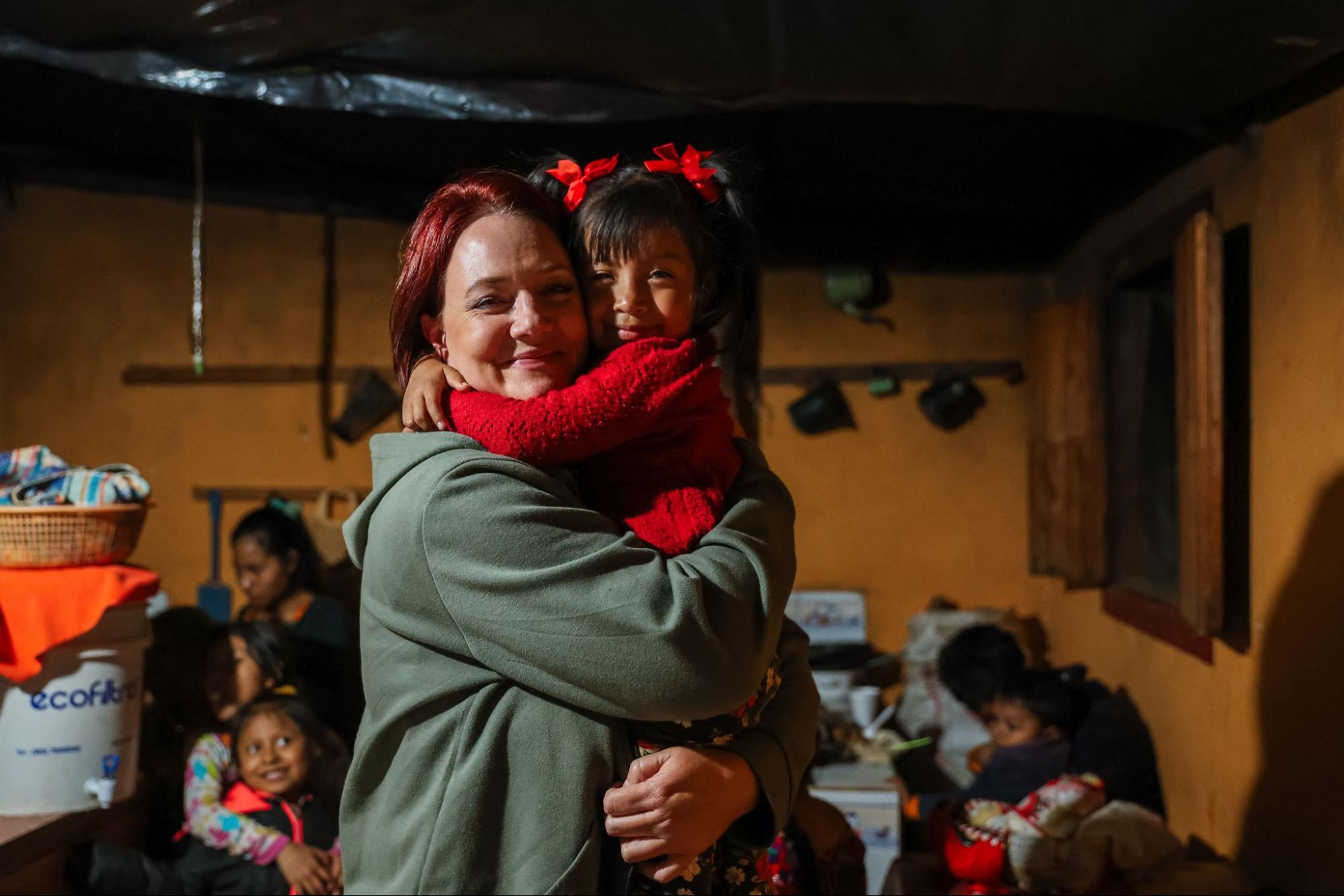 Ethical volunteer vacations in Guatemala focus on long-term support, not quick fixes. Families benefit most when programs continue long after volunteers return home.
As noted by Taylor & Francis / Global Health Action
“Guatemala’s participation scheme is a bottom-up structure based on the rights of all the population to be included in decision-making processes for the policies that affect their everyday lives, identifying their community’s needs and priorities.” – Taylor & Francis / Global Health Action
According to UNICEF, early childhood nutrition and access to education play a major role in long-term development.
Programs in San Andrés often focus on:
- Safer cooking stove installations for families
- Gardening systems that help grow food at home
- Meal programs that support children’s health
- School visits and education support
These projects help families build stronger and more stable lives over time.
Why Choose Ethical Guatemala Volunteer Vacations For Purpose-Driven Travel
Credits: Be Humanitarian
Why choose ethical Guatemala volunteer vacations? For many travelers, it is about helping in a way that feels honest and respectful.
These trips combine volunteer work with cultural learning and real community connection. Volunteers spend time helping with local projects while also learning about daily life in Guatemala.
Many people return home with a different view of poverty, education, and global responsibility. The experience often stays with them long after the trip ends.
FAQ
What is ethical volunteering in Guatemala, and why does it matter?
Ethical volunteer vacations in Guatemala are travel programs that focus on helping communities without creating dependency or harm. Ethical volunteering Guatemala supports responsible volunteering Guatemala and responsible tourism Guatemala by working with local needs instead of outside assumptions.
It matters because it protects dignity, strengthens Guatemala volunteering impact, and supports impact travel in Guatemala in a way that builds long-term improvement for impoverished communities in Guatemala.
What types of community projects are usually supported?
Sustainable volunteer projects in Guatemala often focus on practical community needs. These include malnutrition programs in Guatemala, nutrition aid in Guatemala, and school supplies in Guatemala to support children in education.
Some programs provide preschool donations to Guatemala and garden towers to Guatemala to improve food security in Guatemala. Others install wood-burning stoves in Guatemala to support safe cooking and improve daily living conditions in rural homes.
What cultural experiences happen during volunteer trips?
Guatemala volunteer trips often include cultural immersion in Guatemala that allows visitors to learn directly from local communities. Volunteers may take part in Lake Atitlan volunteer activities, visit volcano hikes in Guatemala, or join Mayan ruins volunteer experiences.
These moments connect travel with purpose in Guatemala and create ethical travel experiences in Guatemala. They also support a respectful understanding of local traditions and daily life in rural Guatemala.
How do child and family support programs work?
Sponsor a child in Guatemala and child sponsorship in Guatemala programs provide long-term support for children’s education and health. Families may also receive family aid in Guatemala, meal programs in Guatemala, and nutritional meals in Guatemala to improve daily well-being.
These programs support poverty alleviation in Guatemala by helping impoverished communities in Guatemala access education and healthcare. The goal is to build thriving children in Guatemala and a stronger family transformation in Guatemala through consistent support.
Who can join ethical volunteer programs in Guatemala?
Retired volunteers from Guatemala, older professionals, and entrepreneurs from Guatemala can all join ethical volunteer vacations in Guatemala. Corporate sponsors, Guatemala, and professional volunteer abroad participants also take part in hands-on service projects in Guatemala.
These programs focus on community empowerment in Guatemala through locally-led projects in Guatemala. They encourage dependency-free volunteering while supporting global citizenship in Guatemala and long-term sustainable change in local communities.
Why This Kind of Travel Stays With You
You don’t forget the people you meet in San Andrés or the small moments that make the trip feel real. Ethical volunteer vacations in Guatemala give you a chance to help in ways that matter, while learning from local families and seeing daily life near Lake Atitlán. It feels personal. That’s what stays with you.
With Be Humanitarian, you can join community-led projects focused on education, nutrition, and long-term support for families. The experience is simple, meaningful, and built around real connection, not quick fixes. Ready to travel with purpose? Explore ethical volunteer vacations in Guatemala.
References
- https://pmc.ncbi.nlm.nih.gov/articles/PMC2662818/
- https://www.tandfonline.com/doi/full/10.3402/gha.v4i0.6412