
A volunteer vacation in Guatemala means spending your time helping with daily needs rather than moving around. In San Andrés near Lake Atitlán, the routine is steady. You might work on garden projects, help in a classroom, or prepare food in the kitchen.
You will also meet local children sponsored through Be Humanitarian, where their education, meals, and English classes are covered. The days are simple but full. After a while, you begin to notice small changes.
Keep reading to learn what to expect.
Guatemala Volunteer Travel Takeaways
- Volunteer vacation in Guatemala mixes time in the community with practical work in schools and meal programs.
- Ethical programs are shaped by local guidance, input, focus on steady progress, and avoid quick fixes.
- Trips in San Andrés are organized, guided, and open to retirees, professionals, teenagers and sponsors.
Why Volunteer Vacations In Guatemala Matters
A volunteer vacation in Guatemala puts you in places where the gaps are easy to see. In some rural areas, a classroom might share a few worn books, and lunch at school is not always certain. UNICEF estimates that close to half of Guatemalan children under five live with chronic malnutrition. That reality shapes what kind of help is useful.
In the highlands near San Andrés, about 7,047 ft (2,148 m) up, days move without much rush. Families keep their customs while working around limited healthcare, food access, and school resources.
Programs that last usually come from local direction. Groups like Be Humanitarian keep the focus on steady support, not short visits that end without follow-through.
You notice how sponsorship shows up in plain ways. A meal served at home. Lunch packed for school. Supplies that last the week. Changes at home that are small but steady.
- High-impact areas include:
- Education volunteer Guatemala
- Nutrition programs Guatemala
- Sustainable agriculture Guatemala
- Clean water projects Guatemala
Although we work hard, the pace of real change can feel slow. Progress is easier to see over time than in a single day.
Best Volunteer Vacation Programs Guatemala
Credits: Be Humanitarian
Volunteer programs in Guatemala are not all set up the same, especially when looking at best volunteer programs that follow a clear structure. The ones that hold together tend to have a clear plan and stay connected to local partners.
Around Lake Atitlán, most projects stay close to schools, gardens, and meal programs. Many groups begin in Antigua for a short orientation, then travel out to smaller communities.
Be Humanitarian runs 8 to 11 day programs with a set schedule. Local staff guide the work each day, so you are not left trying to figure things out on your own, especially during travel with us opportunities that follow a clear, structured routine from start to finish.
Place volunteers in roles such as:
- Teaching volunteers Guatemala
- Healthcare volunteer Guatemala
- Construction volunteer Guatemala
- Environmental conservation Guatemala
| Program Type | Typical Duration | Focus Area | Structure Level |
| Guided Volunteer Trips | 8-11 days | Nutrition, education, gardening | High |
| 2-Day Home Visit Program | 2 days | Nutrition, education, gardening | High |
| Short Term Volunteer Trips | 1-4 weeks | Mixed community service | Medium |
| Long Term Volunteer Opportunities | 1-6 months | Teaching, healthcare, skilled roles | High |
Shorter trips with structure tend to suit people who want a clear plan and a steady routine.
Ethical Volunteer Vacations In Guatemala
Ethical volunteering in Guatemala depends on who is leading the work and how decisions are made, which is central to ethical volunteer work across rural communities. Programs built with local groups tend to hold up better over time. Research from the Harvard Humanitarian Initiative points in that direction.
As noted by Peace Corps
“Because community integration enhances the quality of Volunteer’s experience, you will live with a host family for the duration of your service. Guatemala’s rich and diverse culture offers a unique backdrop for meaningful work and life-changing connections.” – Peace Corps
On the ground, volunteers step into work that is already in place. You might help build a garden, volunteer in a classroom, assist with meals, or work alongside staff on projects.
Most rural programs are already running before volunteers arrive. Some focus on eco stoves, others on rainwater systems or school support. You join what is there depending on the community needs.
Key signs of an ethical program include:
- Local leadership or shared decision-making
- Clear use of program fees
- Work tied to longer-term community plans
- Focus on education and nutrition
Some orphanage-based volunteer programs have raised concerns, including from Save the Children, especially around long-term impact and child welfare. Be Humanitarian decided long ago to support the fragile family unit rather than support an orphanage.
There is a shift toward work that moves at the community’s pace and continues after volunteers leave.
Volunteer Vacation Impact In Guatemala
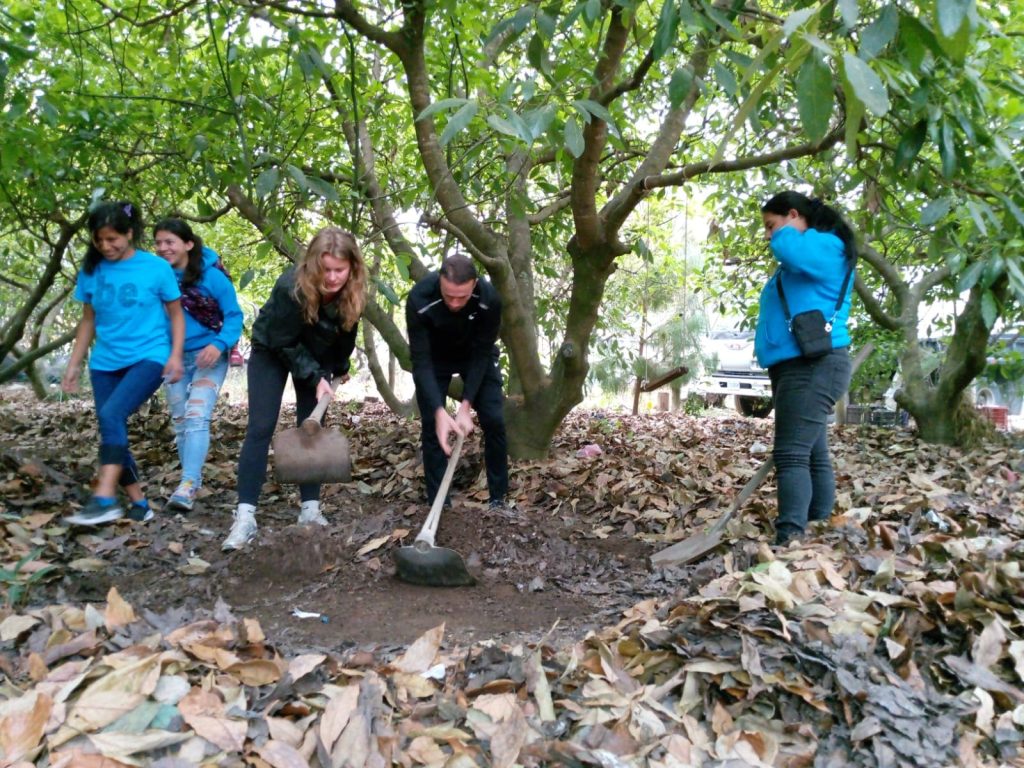
Volunteer vacation impact in Guatemala is strongest when the work is small, steady, and shaped by local priorities, something often seen in real volunteer impact across long-term programs.
In a recent analysis by Worldwide Hospitality and Tourism Themes
“It is crucial for volunteer tourists to address the needs of the host community, for the volunteer organization to offer projects wherein people really are in need. Findings, all but two volunteer tourists had positive volunteer experiences.” – Worldwide Hospitality and Tourism Themes
In many rural areas, impact starts with basic needs. Nutrition programs linked to child malnutrition in Guatemala often mean regular meals for children who would otherwise miss them. It is simple support, but it changes the rhythm of the day.
Education programs like educational support Guatemala and after school programs Guatemala usually mean volunteers work beside local staff. The goal is to keep classrooms supported, not to replace local teachers.
- Impact Areas Include:
- More consistent school attendance
- Improved daily nutrition for children
- More stable home routines
- Continued sponsorship connections
Many volunteers stay involved after they return home. A short trip often turns into longer support through sponsorship or donations that continue over time.
How To Plan A Volunteer Vacation In Guatemala

Planning a volunteer vacation in Guatemala is mostly about getting clear on the basics before you go, especially when you plan your volunteer trip with realistic expectations. The U.S. Department of State highlights preparation as an important part of safe and smooth travel.
Start with your reason for going. Some people focus on child sponsorship. Others want to take part in education or community development work in Guatemala.
Then check what the program actually provides:
- Local coordinator during the stay
- Orientation on arrival
- Housing and meals included
- Clear daily responsibilities
Costs usually range from hundreds of dollars per week for unguided trips, and a few thousand for a fully guided experience. Remember that these do not include flight costs.
Using basic Spanish is so much more fun than people expect. Even easy phrases make daily tasks feel fun and more connected. On a guided volunteer vacation you will always be with a Spanish speaking guide, so there’s nothing to worry about.
Altitude is also something to plan for. Many areas sit around 7,047 ft, and the body needs time to adjust. People with heart or breathing issues should check with a doctor before traveling.
Good planning does not make the experience perfect. It just makes it easier to settle in and understand what is happening around you.
Meaningful Volunteer Travel Experiences In Guatemala
Meaningful volunteer travel in Guatemala comes from showing up in the same places and doing small tasks over time, shaping meaningful travel experiences that build slowly. Programs that work closely with local communities tend to build trust through consistency, not big moments.
Most of the work is straightforward. Helping in a classroom, supporting a garden, or assisting with food distribution. These tasks repeat day after day, and that repetition is part of the work.
Outside the project site, daily life matters just as much. Shared meals, time with host families, and regular routines give a clearer view of how people live.
- Common experiences include:
- Helping in classrooms
- Working in family gardens
- Supporting nutrition programs
- Taking part in local traditions
Nothing here is staged. It is everyday life, and volunteers are part of it for a short time.
Over time, the experience becomes less about a single trip and more about small interactions that build slowly and stay with you after you leave.
Senior Volunteer Vacation Trips In Guatemala
Senior volunteer trips in Guatemala are set up for people who want to stay active without a demanding pace, often designed as senior volunteer trips with flexible schedules. Some programs include volunteers over 70, usually in light roles like classroom support or helping with simple community tasks.
The schedule is usually short each day, around 5 to 7 hours. After that, most of the day is free for rest or local activities.
In places like San Andrés, altitude can take a few days to adjust to. Energy may dip at first, so programs tend to keep things flexible rather than rigid.
Common senior-friendly activities include:
- Short visits to schools or community spaces
- 1 day walks or tours in Antigua
- Boat rides and visits around Lake Atitlán
- Supporting the community needs
The structure stays simple: help where needed, then step back and rest without pressure.
Group Volunteer Vacation Trips In Guatemala
 Group volunteer trips in Guatemala usually bring together 8 to 15 people, often families, friends, or work teams joining group volunteer trips for shared work. The work is shared so no one feels overloaded.
Deloitte reports that about 70% of employees value opportunities tied to social impact, which helps explain why group volunteering keeps growing.
Groups rotate through tasks like classroom help, garden work, or basic support activities. The focus is on working together, not individual output.
- Group benefits include:
- Private drivers and guides for travel
- Clear itineraries that make the day easier
- A shared experience that builds connection
Some groups raise small funds before the trip. That support often goes toward projects already running in the community.
The experience tends to strengthen relationships inside the group while staying grounded in local needs.
What To Expect Volunteering In Guatemala
Volunteering in Guatemala follows a daily rhythm that is simple and predictable, which reflects what to expect volunteering in local communities. Mornings are usually for hands-on work, and afternoons are time to connect with the community or attend English classes.
Tasks might include helping in classrooms, supporting meal programs, or handing out school supplies. The work repeats, which helps you settle into it.
Most programs begin with an orientation. It covers safety, local customs, and how to work with community staff in a respectful way.
- Expect:
- Direct, friendly interaction with local families
- Noticeable differences in living conditions
- Strong cultural traditions in daily life
- A set schedule with local support
Nothing feels staged. You are stepping into everyday routines, not a performance.
How To Book Volunteer Vacation In Guatemala
Booking a volunteer vacation in Guatemala starts with choosing where you want to go and what kind of work you want to do, then learning how to book a volunteer trip step by step. Most people begin by browsing platforms, then narrowing it down to a few programs that feel realistic in terms of time and budget.
After that, it comes down to applying and waiting for confirmation. Many programs respond within 3 to 7 days.
Once accepted, the practical steps follow:
- Pay program fees
- Book flights
- Arrange travel insurance for Guatemala
- Complete a short pre-trip briefing
It is not complicated, but it does work best when everything is handled early, so there is less to figure out on arrival.
Best Volunteer Destinations In Guatemala
Volunteer destinations in Guatemala are usually built around places where community programs already run year-round, often considered top volunteer destinations for consistent support. Lake Atitlán is one of the most common because it has steady projects and daily community involvement.
San Andrés is often linked with education and nutrition work in indigenous communities. The focus there is ongoing support rather than short-term tasks.
Other common locations include:
- Antigua Guatemala for orientation and settling in
- Rural highlands for sustainable agriculture Guatemala projects
- Coastal areas for environmental conservation Guatemala work
Each place has a different pace. Some feel busier, some more quiet, but the work usually stays centered on schools, food programs, and community support.
Where you go shapes your day-to-day experience, but the core of the work stays grounded in everyday routines and local needs.
FAQ
What is a volunteer vacation Guatemala and who is it for?
A volunteer vacation Guatemala combines travel with meaningful work that supports local communities. You may teach children, assist with building projects, or join community service Guatemala efforts.
This type of trip suits students, families, professionals and retirees. Some people choose short term volunteer trips to Guatemala, while others prefer longer stays. It also allows you to experience cultural immersion Guatemala in a practical, hands-on way.
How can I choose ethical volunteer travel Guatemala programs?
You should choose ethical volunteer travel Guatemala programs that focus on real community needs. Strong programs support responsible tourism Guatemala and partner with local leaders. You should ask how funds are used and how projects are managed.
Sustainable volunteer programs Guatemala should create long-term benefits. Good voluntourism Guatemala respects local culture and supports ongoing community development Guatemala instead of quick, short-term fixes.
What work can I do during volunteer abroad Guatemala trips?
You can take part in many types of projects during volunteer abroad Guatemala trips. Some volunteers support education volunteers Guatemala as teaching volunteers Guatemala or classroom assistant Guatemala.
Others help with childcare volunteering in Guatemala or after school programs in Guatemala. You may also join clean water projects Guatemala, reforestation projects Guatemala, or healthcare volunteer Guatemala initiatives that improve daily life.
Where do volunteers usually stay during a volunteer vacation in Guatemala?
Most volunteers stay with local families through a homestay Guatemala arrangement. This setup allows deeper cultural exchange Guatemala and supports language immersion Guatemala.
Some programs also provide shared housing near project areas such as Lake Atitlán volunteering sites or Antigua Guatemala volunteer programs. Many include accommodation with meals Guatemala, which helps you live comfortably while staying connected to the community.
What should I prepare before joining voluntourism Guatemala trips?
You should prepare carefully before joining voluntourism Guatemala trips. You need to check safety and insurance Guatemala requirements and enjoy learning a few basic Spanish phrases.
You should pack simple, practical clothing and essential items. Ask about volunteer orientation Guatemala and your daily responsibilities. Reading volunteer testimonials Guatemala can help you understand the experience and prepare mentally for the work.
Turning a Guatemala Trip Into Something That Truly Matters
You don’t remember a place just because you went there. You remember it because you were part of something. In Guatemala, that can be building a garden, working in a classroom or helping serve a simple meal. It may not feel big all the time, but it stays with you. Small actions, done with care, start to add up. They become real, steady help for someone else.
So ask yourself: will this be another trip, or something that matters? It’s easy to wait for the “right time,” but that often never comes. Start now. Take one step. Plan your volunteer vacation in Guatemala.
References
- https://www.peacecorps.gov/guatemala/living-conditions/
- https://www.researchgate.net/publication/276889534_A_clash_with_volunteer_tourists_An_extreme_case_study_in_Guatemala